





What's Happening?
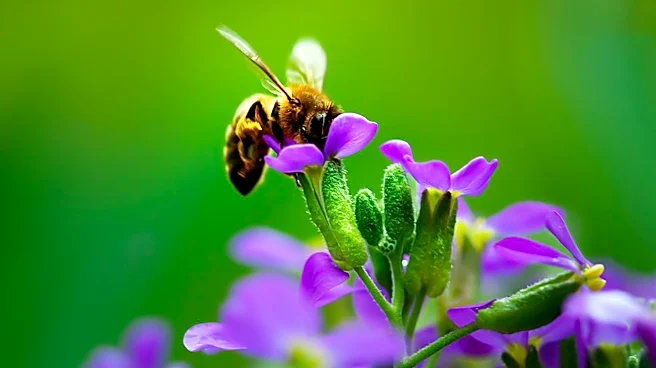
Joe Pye weed, a native plant known for its large clusters of nectar-rich blooms, is gaining attention for its ability to attract a wide range of pollinators, including bees and butterflies. As mid-summer approaches and nectar sources become scarce, this
plant provides a vital source of nectar, supporting various beneficial insects. Joe Pye weed is native to eastern and central North America and can grow up to 7 feet tall, offering both nectar and shelter for wildlife. Its blooms last from mid-summer to early fall, filling a 'nectar gap' when other flowers have faded. The plant's towering height also provides shade and shelter for small mammals and birds, making it an excellent choice for wildlife gardens.
Why It's Important?
The introduction of Joe Pye weed into gardens can significantly impact local ecosystems by supporting pollinator populations, which are crucial for plant reproduction and biodiversity. As pollinators face challenges from habitat loss and climate change, plants like Joe Pye weed offer essential resources that can help sustain these populations. This, in turn, supports agricultural productivity and the health of natural ecosystems. Additionally, the plant's ability to provide shelter and food for wildlife enhances its ecological value, making it a beneficial addition to gardens focused on sustainability and biodiversity.
What's Next?
Gardeners interested in supporting pollinators can consider planting Joe Pye weed in their gardens. The plant thrives in USDA zones 4-8 and requires fertile, moist soil and full sun to partial shade. As awareness of its benefits grows, Joe Pye weed may become a more common feature in gardens across the U.S., contributing to broader efforts to support pollinator health and biodiversity. Gardeners can also explore other native plants that complement Joe Pye weed and further enhance pollinator habitats.