



What's Happening?
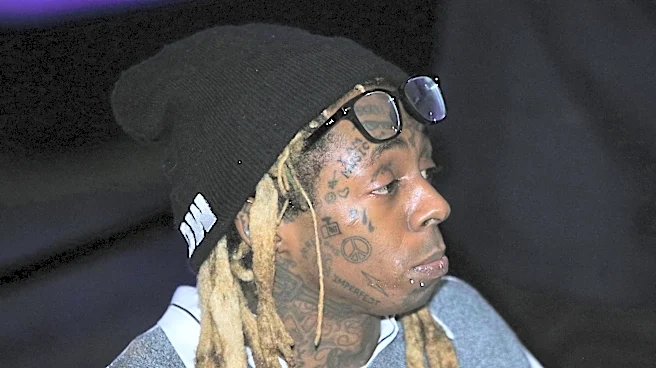
Young Thug and his label YSL have been dismissed from a civil lawsuit concerning a 2015 shooting incident involving Lil Wayne's tour bus in Atlanta. Judge Eric A. Brewton issued an order on November 10, as reported by Billboard, throwing out the claims
against Thug and YSL. The lawsuit was brought by Alvin Lewis, the bus driver, who sought compensation for emotional distress following the shooting on Interstate 285. Lewis had alleged that the accused shooter, Peewee Roscoe, was Young Thug's tour manager and acted under his direction. However, the court found no evidence of an employment relationship between Roscoe and YSL, deeming the employment claim unsupported. Birdman and Cash Money were also previously dismissed from the case, with the court rejecting evidence attempting to link them to the attack, including Birdman's phone records. Lewis's attorney, Jeff Gewirtz, has stated plans to appeal the decision.
Why It's Important?
This dismissal is significant for Young Thug, removing him from a long-standing legal entanglement that has persisted beyond his criminal trial. The ruling underscores the legal burden of proof required to establish vicarious liability, particularly in cases where plaintiffs attempt to hold individuals or entities financially responsible for the actions of others. The court's finding of 'no evidence of an employment relationship' between the accused shooter and YSL sets a precedent for similar cases in the entertainment industry, where the lines of association can sometimes be blurred. For Alvin Lewis, the bus driver, the decision means he will not receive compensation from Young Thug or YSL for his alleged emotional distress and lost income, shifting the focus of his remaining claims to Roscoe and YSL Duke. The ongoing appeal indicates that the legal battle is not yet concluded, highlighting the complexities and persistence of civil litigation in high-profile incidents.
What's Next?
Alvin Lewis's attorney, Jeff Gewirtz, intends to appeal Judge Brewton's decision to dismiss Young Thug and YSL from the lawsuit. This means the legal proceedings are likely to continue, with the appellate court reviewing the lower court's findings regarding the employment relationship and the sufficiency of evidence. While Young Thug and YSL are currently dismissed, the outcome of the appeal could potentially reinstate them as defendants. Lewis still has active claims against Peewee Roscoe, the accused shooter, and YSL Duke. A conference regarding potential trial logistics for these remaining claims is scheduled for February. The appeal process will determine whether the initial dismissal stands or if new legal arguments will be considered, potentially prolonging the overall resolution of the 2015 tour bus shooting incident.
Beyond the Headlines
The case delves into the intricate legal challenges of establishing responsibility in the context of celebrity entourages and business associations within the music industry. The defense's argument that a $25,000 payment to Roscoe for legal fees was merely assistance to a childhood friend, rather than proof of ordering an attack, highlights the difficulty in distinguishing personal relationships from professional directives in legal proceedings. This distinction is crucial in determining who can be held financially accountable for alleged damages. The driver's pursuit of compensation for emotional distress, even without physical injury, also brings to light the evolving legal landscape surrounding psychological harm in civil litigation. The ongoing legal battle, despite the passage of time since the 2015 incident, underscores the long-term impact of such events on all parties involved and the persistent quest for legal redress.