




What's Happening?
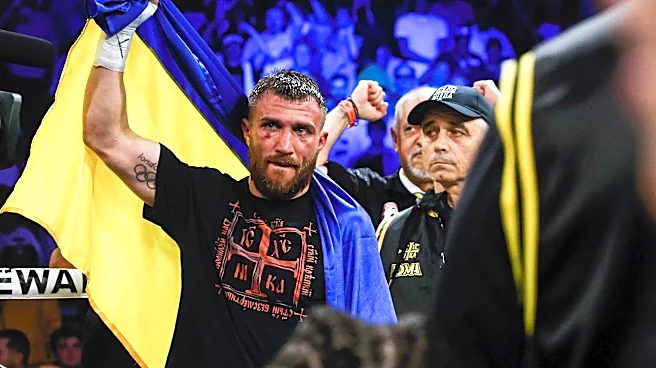
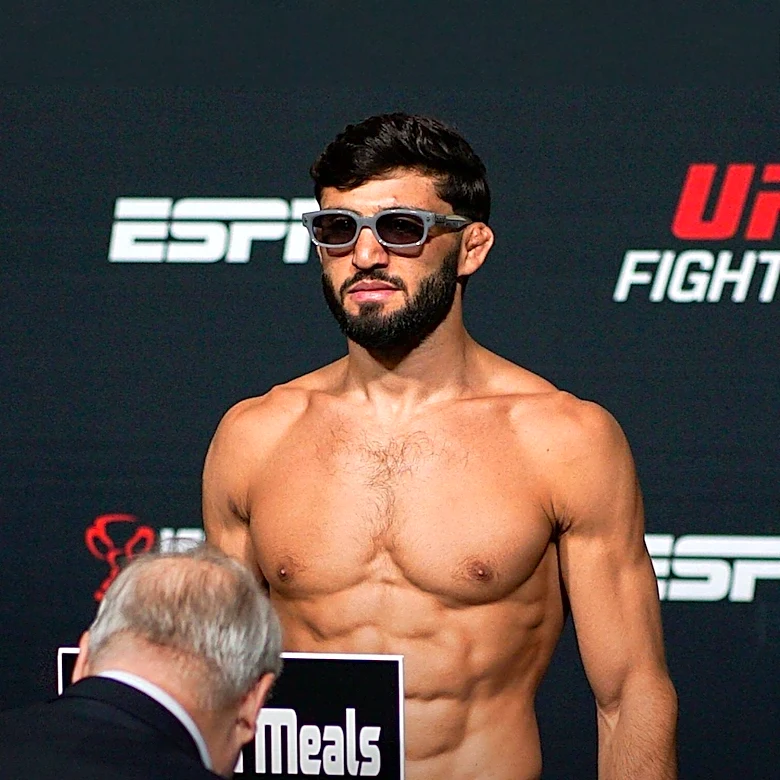
World Boxing's Executive Board has approved its Strategic Plan for 2026–2029, aiming to guide the federation's operations over the next three years. The plan, approved during a hybrid meeting chaired by World Boxing President Gennadiy Golovkin in Budva,
Montenegro, focuses on four core pillars: Athletes First, Integrity, Innovation, and Financial Stability & Development. A central objective across all these areas is safeguarding boxing's future in the Olympic Games, particularly looking ahead to Los Angeles 2028. Key priorities include strengthening athlete representation and welfare through an elected Athletes’ Council and enhanced safeguarding programs, improving governance and competition integrity, and expanding education for athletes, coaches, and officials. The plan also emphasizes developing technology and digital services, alongside a long-term strategy to diversify and grow World Boxing’s revenues to ensure financial sustainability for member federations and athletes globally. The 2027 budget was also approved for submission to Congress, reflecting an improved financial position for the organization.
Why It's Important?
This strategic plan is crucial for the long-term viability and integrity of boxing as an Olympic sport. By prioritizing 'Athletes First,' World Boxing aims to create a more supportive and equitable environment for boxers, which could attract more talent and improve the sport's global appeal. The focus on integrity and governance is vital for rebuilding trust, especially given past controversies that have threatened boxing's Olympic status. Financial stability and diversified revenue streams are essential for funding development programs, ensuring fair competition, and supporting national federations, particularly in regions with fewer resources. The emphasis on innovation, including technology and digital services, could modernize the sport, enhance fan engagement, and improve operational efficiency. Ultimately, the success of this plan will determine World Boxing's ability to maintain its position in the Olympic movement and foster a healthy, sustainable future for the sport worldwide.
What's Next?
The approved Strategic Plan and 2027 budget will be presented at the World Boxing Congress in Panama on November 20. Following this, the focus will shift to implementing the plan's initiatives, including the development of an elected Athletes’ Council and the rollout of strengthened athlete welfare programs. The 2027-2028 international competition calendar has also been approved, providing a clear pathway for Olympic qualification, starting with the 2027 World Boxing Championships in Astana, where the first 44 athlete quota places for LA28 will be allocated. This will be followed by five Continental Qualification Tournaments and two World Qualification Tournaments in 2028. The Executive Board also endorsed the Angolan Boxing Federation and the Fédération Burkinabé de Boxe for membership in 2027, pending final approval by Congress and the establishment of an independent dispute-resolution mechanism for the latter. These steps indicate a clear roadmap for World Boxing's operational and strategic direction leading up to the Los Angeles 2028 Olympic Games.
Beyond the Headlines
The strategic plan's emphasis on integrity and governance extends beyond mere compliance; it reflects a broader effort to address systemic issues that have historically plagued boxing, such as corruption and unfair practices. By investing in education for athletes, coaches, and officials, World Boxing is aiming to cultivate a culture of ethical conduct and fair play from the grassroots level upwards. The focus on athlete welfare, including safeguarding programs, acknowledges the physical and mental demands of the sport and seeks to provide a safer environment for participants. The long-term program to grow and diversify revenues suggests a move towards greater financial independence and resilience, reducing reliance on single sources of funding and potentially mitigating external pressures. This holistic approach, if successfully implemented, could not only secure boxing's Olympic future but also elevate its standing as a transparent, athlete-centric, and globally respected sport.