

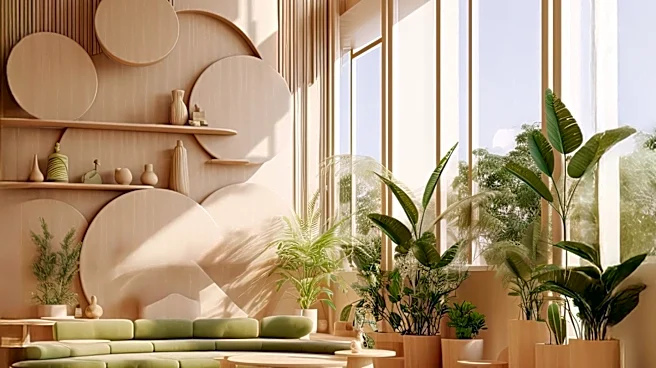
What's Happening?
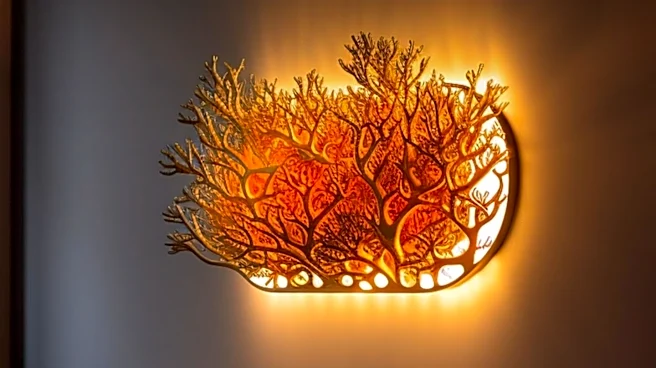
Wall murals are gaining popularity as a versatile interior design element, offering a wide array of styles, colors, and designs to transform living and working spaces. These murals range from abstract and nature-inspired art to geometric and modern themes,
providing options for various aesthetic preferences. They are suitable for different rooms, including living rooms, bedrooms, offices, and even bathrooms, provided they are not exposed to direct water or steam. Many providers offer custom wallpaper services, allowing murals to be made to order to fit specific wall dimensions precisely, eliminating the need for trimming. Materials available include premium paper, textured premium paper, and peel-and-stick options, with some being PVC-free and fade-resistant. The emphasis is on creating immersive depth and creative storytelling within interiors, moving beyond traditional decor to offer a more personalized and artistic experience.
Why It's Important?
The growing trend of wall murals signifies a shift in interior design towards personalization and artistic expression within U.S. homes and offices. This trend impacts the home decor and interior design industries by driving demand for customizable and high-quality wall coverings. For consumers, it offers an accessible way to achieve unique and impactful aesthetics without extensive renovations, potentially increasing homeowner satisfaction and property value. Businesses in the design and manufacturing sectors benefit from the demand for diverse materials and bespoke printing services. The availability of peel-and-stick options also democratizes interior design, making it easier for individuals to undertake DIY projects, which could influence retail sales of related tools and accessories. This movement reflects a broader cultural desire for individuality and curated environments, moving away from mass-produced decor towards more tailored and expressive solutions.
What's Next?
The market for wall murals is likely to continue expanding, with further innovations in materials and design technologies. We can anticipate an increase in eco-friendly and sustainable mural options, aligning with growing consumer demand for environmentally conscious products. Design trends may lean towards more interactive or augmented reality-enabled murals, allowing users to visualize designs in their spaces before purchase. The integration of smart home technology could also lead to dynamic murals that change patterns or colors. Retailers and manufacturers will likely invest more in online visualization tools and personalized design consultations to cater to the bespoke nature of these products. Additionally, collaborations between artists and mural companies could lead to exclusive collections, further diversifying the market and appealing to niche artistic tastes.
Beyond the Headlines
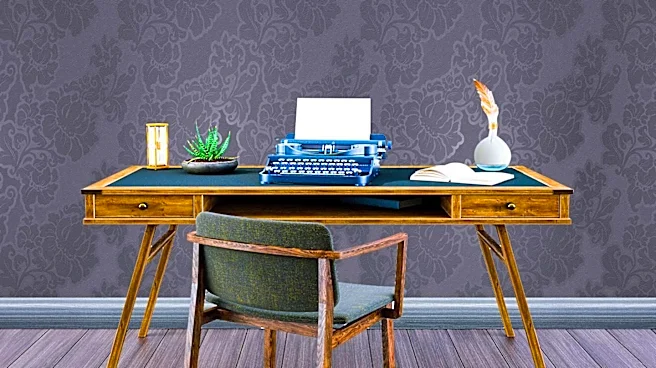
Beyond their aesthetic appeal, wall murals can profoundly influence psychological well-being and productivity in both residential and commercial settings. In homes, a carefully chosen mural can create a sense of tranquility, inspiration, or energy, impacting mood and comfort. In office environments, murals can foster creativity, reduce stress, and enhance brand identity, contributing to a more engaging and productive workspace. The ability to customize murals allows for the incorporation of personal narratives or cultural elements, transforming walls into canvases for self-expression and identity. This trend also highlights the evolving relationship between art and everyday life, making artistic experiences more integrated into personal spaces rather than confined to galleries. The ease of installation, particularly with peel-and-stick options, challenges traditional notions of permanence in decor, encouraging more frequent updates and experimentation with interior aesthetics.