







What's Happening?
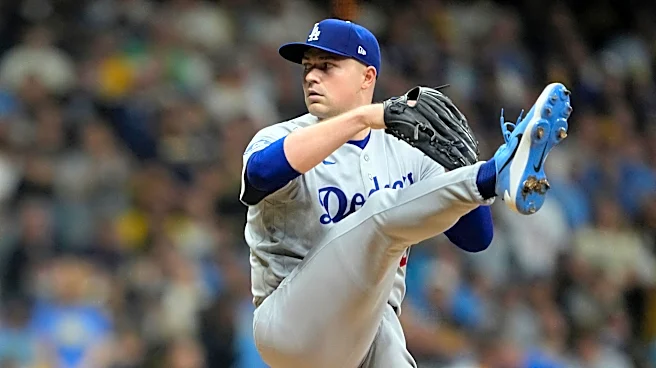
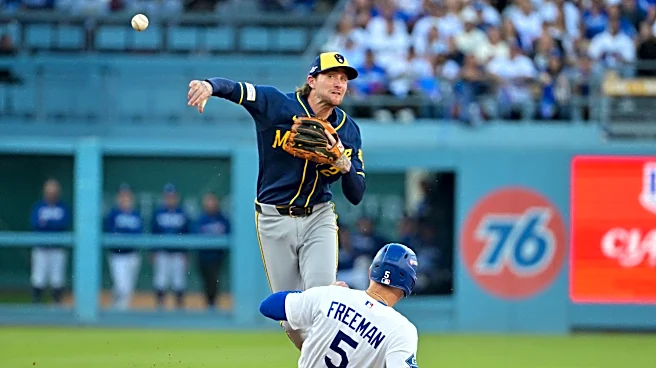
Major League Baseball owners have proposed implementing a $258.2 million salary cap, starting in 2028, as part of the next collective bargaining agreement. This proposal aims to curb the spending of high-payroll teams like the New York Mets, Los Angeles
Dodgers, and New York Yankees. Mets owner Steve Cohen, who acquired the team six years ago, has focused on building a sustainable infrastructure, partly to avoid massive payrolls and ensure profitability, but also with an eye toward a potential salary cap neutralizing the advantage of big spenders. The players' union is reportedly against a salary cap, suggesting a lockout is likely as the current CBA expires on December 1.
Why It's Important?
The proposed MLB salary cap could significantly alter the competitive landscape of professional baseball, particularly for teams like the Mets that have historically invested heavily in player salaries. For the Mets, this cap would necessitate a substantial restructuring of their roster and financial strategy to comply with the new limits. It could force them to shed high-salaried players or rethink their approach to free agency and player development. This shift would impact player contracts, team valuations, and potentially the overall quality of play as teams adjust to more constrained budgets. The dispute between owners and players over the cap also highlights fundamental disagreements about revenue sharing and player compensation, potentially leading to labor unrest.
What's Next?
The immediate future points to contentious negotiations between MLB owners and the players' union as the December 1 deadline for the current collective bargaining agreement approaches. With owners pushing for a salary cap and players firmly against it, a lockout appears increasingly probable. If a lockout occurs, it could disrupt the offseason, including free agency and spring training, potentially delaying the start of the next MLB season. For teams like the Mets, the two-year buffer until 2028 would provide time to adjust their payrolls, but strategic decisions regarding player acquisitions and extensions would need to be made with the impending cap in mind. The outcome of these negotiations will shape the economic model of MLB for years to come.
Beyond the Headlines
The debate over a salary cap in MLB extends beyond immediate financial implications, touching upon the philosophical underpinnings of professional sports leagues. A salary cap aims to promote competitive balance by preventing a few wealthy teams from dominating through sheer financial power, potentially leading to more unpredictable outcomes and increased fan engagement across the league. However, it also raises questions about player freedom and earning potential, as it could limit the market value of top-tier athletes. This tension between competitive equity and individual economic liberty is a recurring theme in professional sports, reflecting broader societal debates about fairness, opportunity, and the distribution of wealth within highly lucrative industries.