





What's Happening?
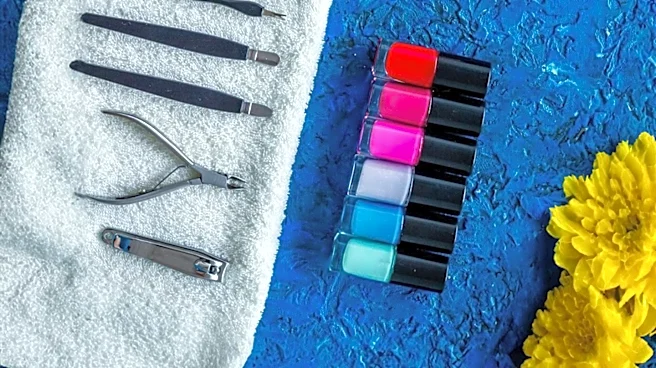
Salon Today, in an article repurposed from Aura House, provides guidance on effectively using ambient scent in service businesses, specifically salons. The publication emphasizes that while scent can positively influence how clients perceive a space,
its impact is most significant in environments where individuals spend extended periods. Key recommendations include placing diffusers at the entry point, between the door and service stations, to create an initial impression while keeping fragrance out of clients' breathing zones during services. The article also advises on appropriate scent intensity, suggesting it should be lower than owners might initially think, and recommends scheduling diffusers to run before the first appointment and turn off after the last. Furthermore, it stresses the importance of selecting one consistent scent per season that matches the salon's professional aesthetic, avoiding overly sweet or cloying fragrances.
Why It's Important?
This guidance is important for U.S. service industries, particularly salons, as it offers practical, actionable advice on leveraging sensory marketing to improve customer experience and brand perception. By strategically implementing ambient scent, businesses can enhance their atmosphere, making clients feel more comfortable and positively influencing their overall impression. This can lead to increased client satisfaction, loyalty, and potentially higher revenue. The advice to prioritize proper ventilation over scent for addressing air quality issues also underscores a critical health and safety aspect, ensuring that businesses focus on fundamental environmental controls before adding aesthetic enhancements. This approach helps businesses avoid common pitfalls and make informed decisions that genuinely benefit their operations and clientele.
What's Next?
U.S. salons and other service-based businesses are likely to increasingly adopt more thoughtful and strategic approaches to ambient scenting, moving away from haphazard use of candles or plug-ins. This could lead to a greater demand for professional-grade, waterless diffusers and specialized fragrance oils designed for commercial spaces. Industry trends may also see more businesses consulting with scent experts to curate unique olfactory identities that align with their brand. Furthermore, as consumer awareness of indoor air quality grows, there might be a push for clearer guidelines or best practices regarding the safe and effective use of ambient scents in public spaces, balancing aesthetic benefits with health considerations.
Beyond the Headlines
Beyond the immediate business benefits, the strategic use of scent in commercial spaces touches upon broader psychological and sociological implications. The creation of curated olfactory environments can subtly influence mood, behavior, and even memory recall, potentially shaping consumer experiences in profound ways. This raises questions about the extent to which businesses can ethically engineer sensory environments to encourage certain behaviors. On a cultural level, it could contribute to a more nuanced appreciation of scent as an integral part of design and experience, moving beyond its traditional role in personal grooming to become a key element in public and commercial aesthetics. The emphasis on 'one scent, held' also speaks to the power of olfactory branding in creating a consistent and recognizable identity.