

What's Happening?
For Christmas 2026, food-inspired decorations are gaining prominence, introducing a playful and unexpected dimension to holiday styling. This trend draws from traditional seasonal ingredients, incorporating elements like fruits, berries, baked goods,
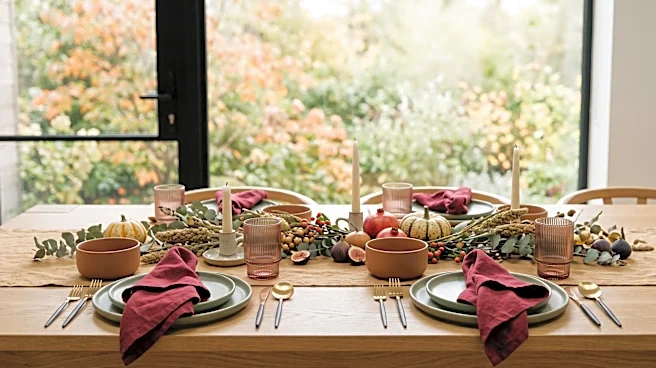
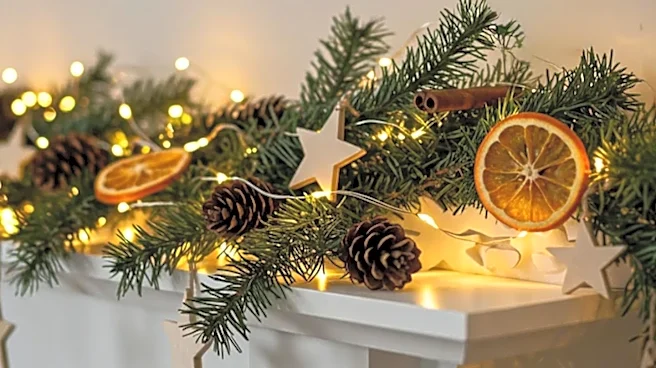
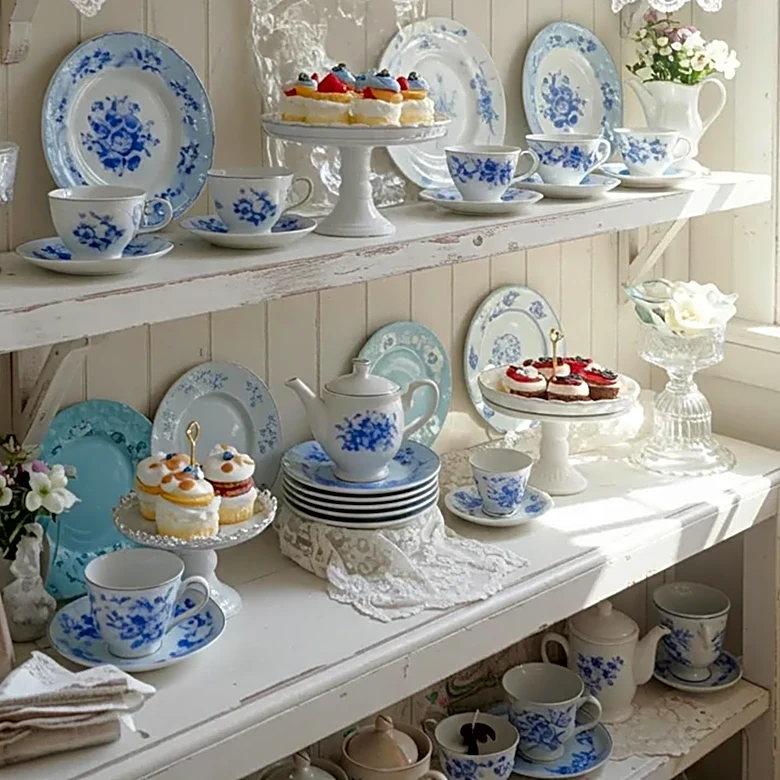
and botanical details into decorative arrangements. Examples include using dried orange slices, sugared berries, apples, pears, and cinnamon sticks for garlands, wreaths, and Christmas tree ornaments. These food-themed elements are particularly effective in dining rooms, where tablescapes can feature fresh citrus, seasonal greenery, taper candles, and natural linens to create a festive atmosphere without relying on conventional holiday accessories. More elaborate interpretations might include decorative fruit ornaments, gingerbread-inspired details, and vintage-style serving pieces. This approach is part of a broader movement in holiday decorating that emphasizes personal expression, mixing nostalgic references, playful designs, handcrafted details, and unique color combinations, moving beyond traditional red-and-green palettes.
Why It's Important?
The rise of food-inspired Christmas decorations signifies a shift in consumer preferences towards more personalized and creative holiday aesthetics. This trend offers homeowners a way to infuse their celebrations with warmth, nostalgia, and a unique touch that reflects individual tastes rather than mass-produced themes. For retailers and the home decor industry, this means an increased demand for natural elements, artisanal crafts, and versatile decorative items that can be integrated into food-centric displays. It also encourages a more sustainable approach to decorating, as many of these elements can be sourced locally or are reusable. The emphasis on natural and edible decorations can also foster a sense of connection to tradition and the seasons, appealing to consumers looking for authentic and meaningful holiday experiences. This trend could influence product development in the home goods sector, leading to more offerings in botanical-themed ornaments, natural material decorations, and vintage-inspired serving ware.
What's Next?
Looking ahead, the popularity of food-inspired decorations is likely to continue influencing holiday decor trends beyond 2026. Consumers may see an expansion in the variety of food-themed ornaments available, ranging from realistic fruit and vegetable replicas to whimsical baked goods and confectionery designs. There could also be a greater emphasis on DIY and craft kits that allow individuals to create their own food-inspired decorations, further personalizing their holiday displays. Retailers might curate specific collections that blend culinary themes with other emerging trends, such as rustic country or heritage-inspired aesthetics, offering cohesive design solutions. Additionally, the trend could extend to other seasonal celebrations, with food-inspired elements becoming more common in fall and spring decor. The integration of natural and edible components also suggests a growing interest in eco-friendly and sustainable decorating practices, which could drive innovation in biodegradable or reusable decorative materials.
Beyond the Headlines
Beyond the immediate aesthetic appeal, the food-inspired decorating trend touches upon deeper cultural and psychological aspects of celebration. Food is intrinsically linked to comfort, tradition, and gathering, making its incorporation into holiday decor a natural extension of these sentiments. This trend can evoke a sense of nostalgia, reminding individuals of childhood memories and family traditions centered around holiday meals and treats. It also highlights a growing appreciation for natural elements and a desire to bring the outdoors in, fostering a connection to nature even during indoor festivities. Ethically, this trend could encourage more mindful consumption, as natural elements can be composted or reused, reducing waste associated with single-use plastic decorations. Culturally, it reflects a broader movement towards authenticity and personalization in home environments, where individuals seek to express their unique identities through their living spaces, moving away from generic, mass-market aesthetics.