





What's Happening?
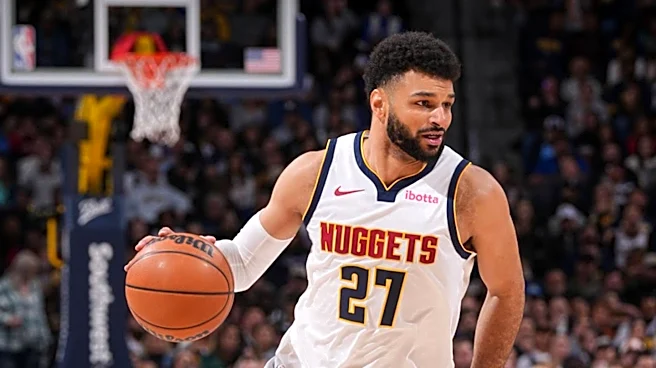
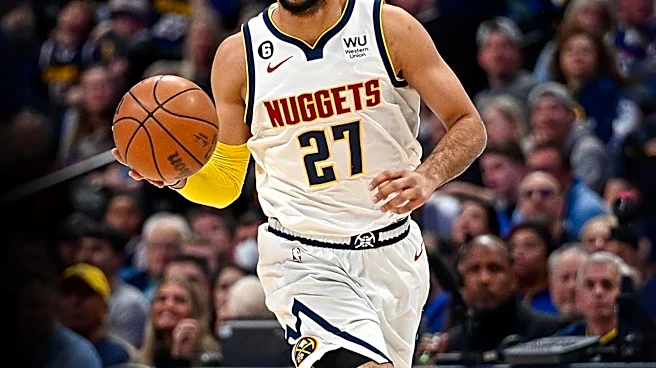
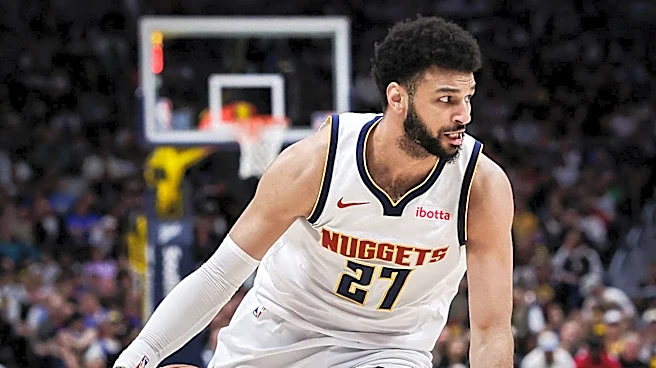
The Denver Nuggets have decided to match a two-year, $11.8 million offer sheet from the Oklahoma City Thunder for Spencer Jones, a move that retains the player but significantly increases the team's financial obligations. Spencer Jones, a 6'7" wing known
for his defensive skills and three-point shooting, played a crucial role in the Nuggets' previous season, including a standout performance in the playoffs against the Timberwolves. However, this decision has financial implications, as it raises the Nuggets' luxury tax bill from $36 million to $68 million, with potential to increase further depending on other player contracts. The team is now $8 million above the NBA's second apron, which could lead to additional financial penalties.
Why It's Important?
The decision to retain Spencer Jones highlights the Nuggets' commitment to maintaining a competitive roster, especially in light of their recent playoff success. However, the financial implications are significant, as the increased luxury tax could impact the team's ability to make future roster moves. This situation underscores the challenges NBA teams face in balancing competitive aspirations with financial constraints. The Nuggets' management will need to navigate these financial waters carefully to avoid long-term repercussions, such as reduced flexibility in player acquisitions and potential penalties associated with exceeding the second apron.
What's Next?
The Nuggets' management will likely need to make strategic decisions regarding their roster to manage the increased financial burden. This could involve renegotiating contracts or making trades to reduce the luxury tax impact. Additionally, the team's performance in the upcoming season will be closely watched to determine if the financial investment in retaining Spencer Jones pays off in terms of on-court success. The situation also sets a precedent for how the Nuggets and other NBA teams might handle similar financial challenges in the future.