








What's Happening?
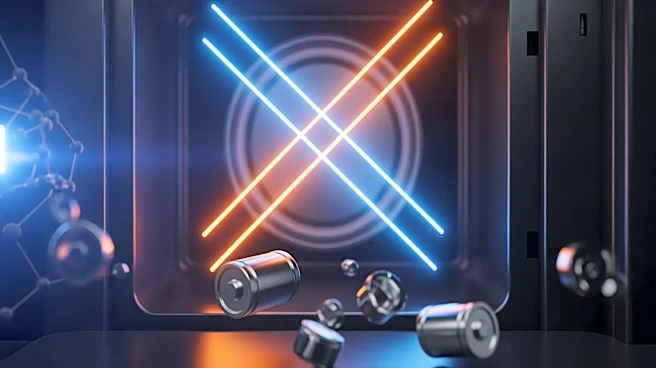
Solidion Technology, Inc., a company specializing in advanced battery technology solutions, has announced the development of its patented bipolar electrode-to-pack (BEEP) battery technology. This innovation is designed to power a range of applications
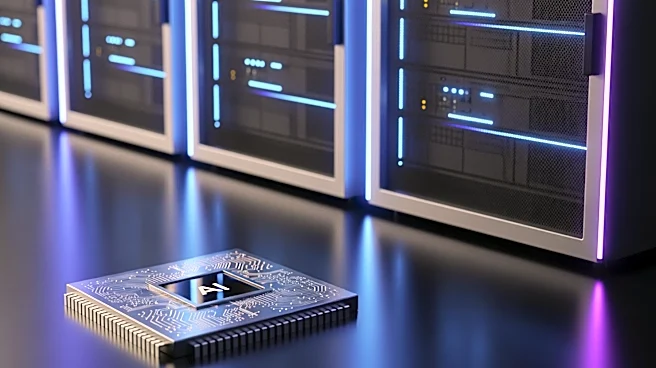
including electric vertical take-off and landing (eVTOL) aircraft, drones, robots, AI data centers, and space infrastructure. The BEEP technology involves stacking and connecting bipolar electrodes and solid electrolyte layers to create a solid-state battery pack with high power and energy densities. This approach addresses the challenges of manufacturing solid-state batteries, which have traditionally been hindered by high costs and design complexities. By reducing the need for multiple housings and connectors, Solidion's technology promises lighter, smaller, and safer batteries that are also less expensive to produce.
Why It's Important?
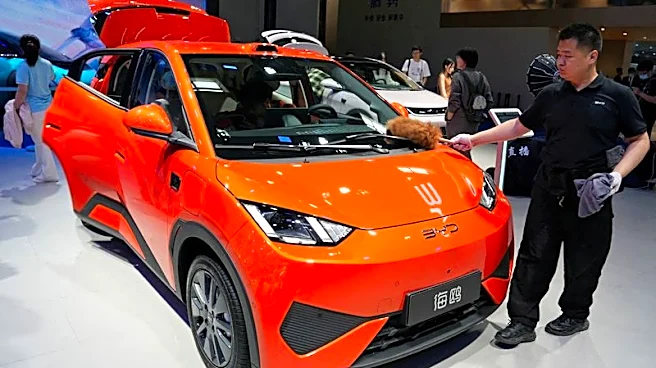
The introduction of Solidion's BEEP technology could significantly impact several industries by providing a more efficient and cost-effective battery solution. The aerospace and electric vehicle sectors, in particular, stand to benefit from the reduced weight and volume of these batteries, which can enhance the performance and range of vehicles. Additionally, the technology's potential to lower manufacturing costs could make solid-state batteries more accessible, accelerating their adoption across various applications. This development positions Solidion as a leader in the solid-state battery market, potentially influencing the future of energy storage solutions and contributing to advancements in AI infrastructure and space exploration.
What's Next?
As Solidion Technology continues to develop its BEEP technology, the company may seek partnerships with aerospace and automotive manufacturers to integrate these batteries into new products. The success of this technology could prompt other companies to explore similar innovations, potentially leading to a broader shift in battery design and manufacturing practices. Regulatory bodies may also take an interest in the safety and environmental benefits of solid-state batteries, which could influence future policy decisions regarding energy storage technologies.