


What's Happening?
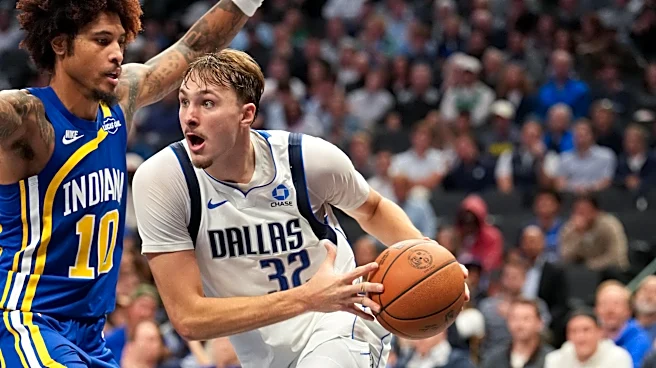
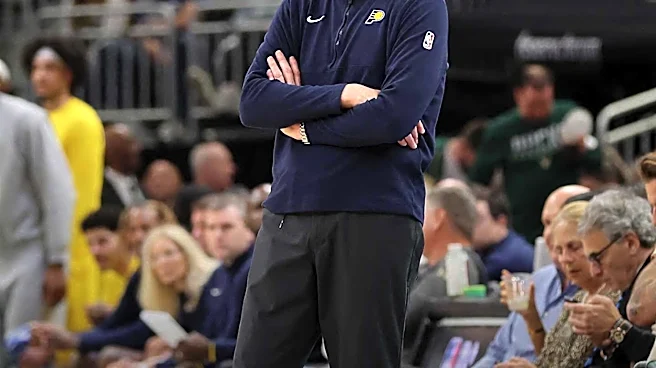
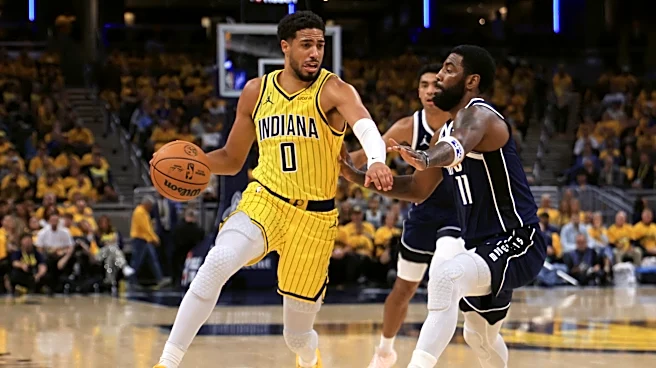
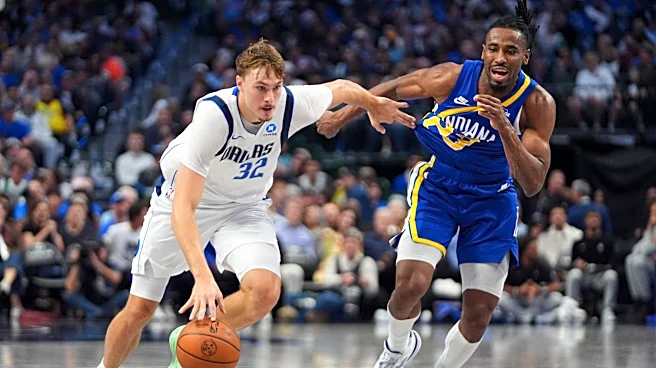
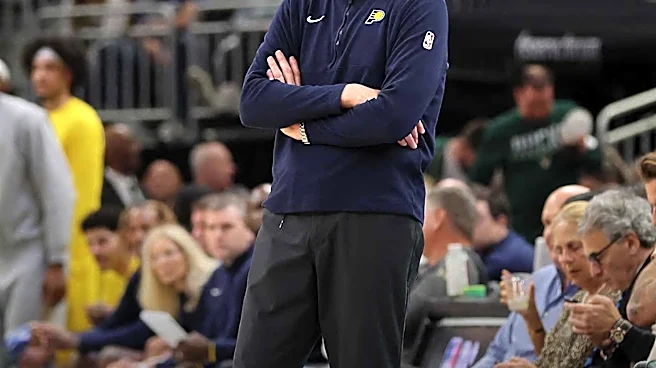
Indiana Pacers head coach Rick Carlisle expressed strong dissatisfaction with the officiating following his team's 125-122 loss to the Dallas Mavericks. The controversy centers on a no-call in the final seconds of the game. With 3.7 seconds remaining
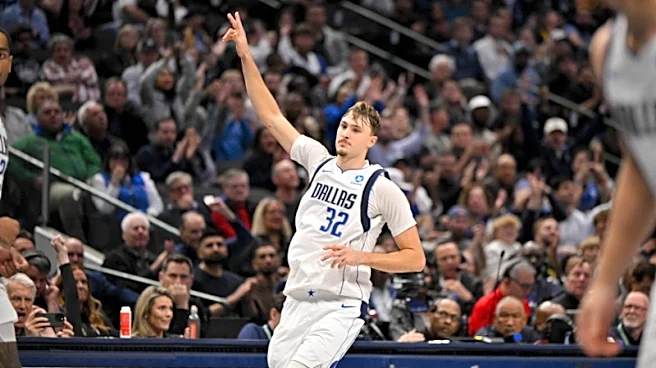
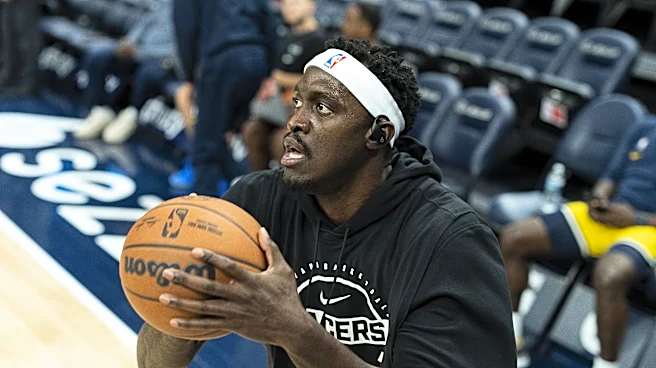
and the Pacers trailing by three points, Andrew Nembhard attempted an inbound pass to Pascal Siakam. Mavericks forward Caleb Martin intercepted the pass and collided with Siakam, causing both players to fall. No foul was called, and the Mavericks secured the win as time expired. Carlisle described the incident as a 'football-caliber collision' and 'clearly a foul,' stating that the Pacers should have been awarded two free throws, which could have kept their chances of winning alive. He confronted official J.D. DeRosa after the game but declined to disclose the explanation he received.
Why It's Important?
This incident highlights the significant impact of officiating decisions on the outcome of professional basketball games, particularly in crucial moments. For the Indiana Pacers, a potential opportunity to tie or win the game was lost, which can affect team morale, standings, and playoff aspirations. Such controversial calls often lead to increased scrutiny of referee performance and the NBA's review processes. For fans, it can fuel debates about fairness and consistency in officiating, potentially impacting engagement and trust in the league's integrity. The financial implications for teams can also be substantial, as wins and losses influence playoff seeding, broadcast revenues, and overall franchise value. The coach's public criticism also puts pressure on the league to address perceived officiating shortcomings.
What's Next?
Following Coach Carlisle's public criticism, the NBA may review the controversial no-call. While the outcome of the game will not change, the league could issue a statement regarding the officiating, potentially acknowledging an error or defending the referees' decision. Such incidents often lead to internal discussions within the NBA's officiating department about training, consistency, and the application of rules in high-pressure situations. Teams and players will likely move on to their next games, but the memory of the disputed call may linger, influencing future interactions with officials. Fans and media will continue to discuss the incident, contributing to the ongoing narrative about NBA officiating standards.
Beyond the Headlines
The controversy surrounding the no-call extends beyond a single game, touching upon broader issues of sportsmanship, the human element in officiating, and the role of technology in sports. The comparison of the collision to a 'football-caliber' hit raises questions about the physical nature of basketball and how contact is officiated. It also reignites discussions about whether the NBA should implement more advanced review systems, similar to other sports, to ensure accuracy in critical moments. The emotional response from a veteran coach like Carlisle underscores the intense pressure and high stakes involved in professional sports, where split-second decisions can have profound consequences for careers and team legacies. This event could contribute to a larger conversation about balancing the flow of the game with the need for accurate calls.