


What's Happening?
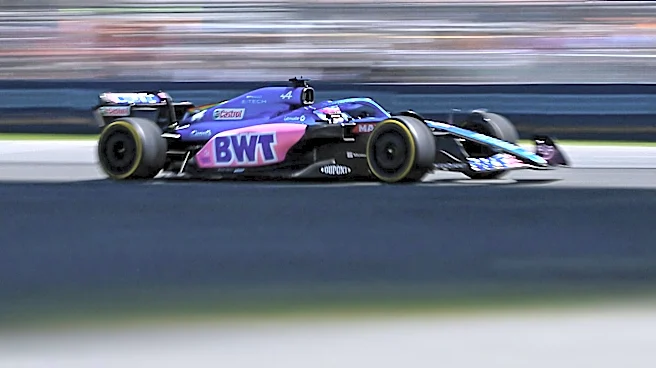
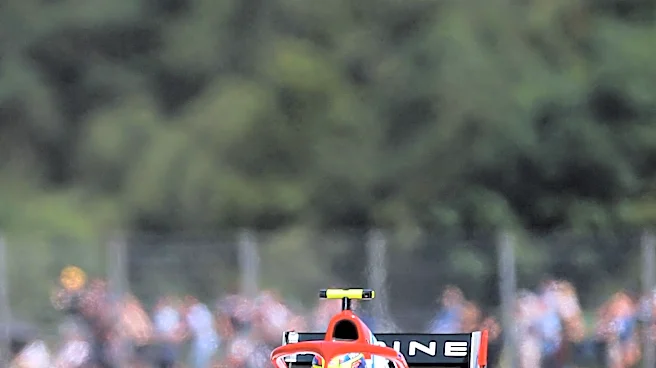
Franco Colapinto, driving for Alpine, was eliminated in the first qualifying session (Q1) for the São Paulo Grand Prix. Despite finishing 17th in the qualifying round, he will start the race from the 15th position due to penalties applied to other drivers,
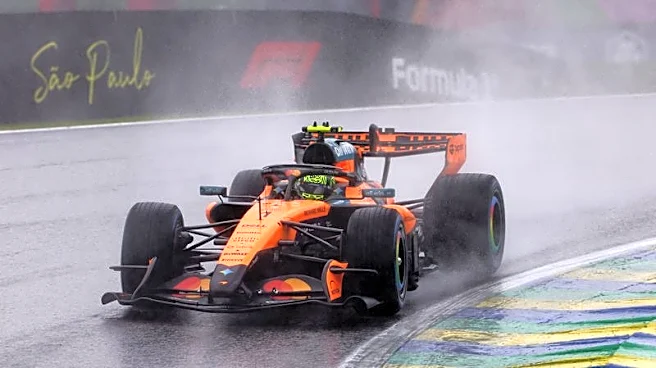
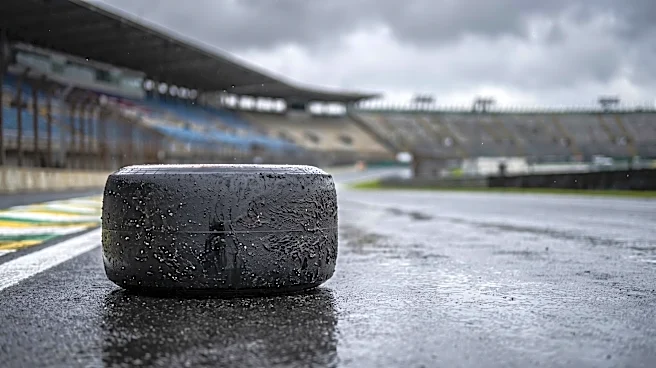
including Lewis Hamilton and Max Verstappen. The qualifying session at the Interlagos circuit in São Paulo was significantly affected by rain, which delayed its start by over an hour. Colapinto expressed considerable frustration with his performance, citing a lack of speed and significant grip issues with his car on the wet track. His teammate, Pierre Gasly, also failed to advance past Q1, finishing 18th and will start 16th. Colapinto noted that his car might be more competitive with intermediate tires, which he hopes to use if track conditions allow during the race. He communicated his disappointment over the team radio, questioning the car's lack of pace, particularly in sectors two and three of the circuit.
Why It's Important?
Colapinto's early elimination in qualifying is a setback for Alpine, as both their drivers will start from the mid-to-back of the grid. This makes it challenging for the team to score points in the São Paulo Grand Prix, which is crucial for their standing in the Constructors' Championship. For Colapinto, a promising young driver, a poor qualifying performance can impact his momentum and visibility within the highly competitive Formula 1 landscape. The challenging wet conditions during qualifying highlight the critical role of car setup and driver adaptability in adverse weather, which can significantly alter race outcomes and create unexpected results. The penalties imposed on front-running drivers like Hamilton and Verstappen, while benefiting Colapinto's starting position, also underscore the stringent technical regulations in Formula 1 and how minor infringements can have substantial consequences on grid order, potentially leveling the playing field for teams further down the grid.
What's Next?
Franco Colapinto and the Alpine team will focus on analyzing the data from qualifying to understand the reasons behind their lack of pace and grip issues, particularly in wet conditions. The team plans to work extensively overnight to improve the car's setup for the race. Colapinto hopes that the car will perform better on intermediate tires, which could be a factor if the track remains damp or experiences intermittent rain during the Grand Prix. Starting from 15th, Colapinto will aim to make progress through the field, capitalizing on any opportunities that arise from potential incidents or varying weather conditions. The race strategy will be critical for Alpine to move both cars into point-scoring positions, requiring aggressive but calculated driving from Colapinto and Gasly. The performance in the race will be a key indicator of the team's ability to adapt and recover from a difficult qualifying session.
Beyond the Headlines
The challenging qualifying session in São Paulo, marked by heavy rain and significant grip issues for several teams, underscores the unpredictable nature of Formula 1 racing and the fine margins between success and failure. For drivers like Colapinto, who are still establishing themselves, such conditions can be a double-edged sword: an opportunity to showcase exceptional car control or a risk of being caught out by an uncooperative car. The frustration expressed by Colapinto over team radio highlights the intense pressure drivers face and the immediate feedback loop between driver and engineer. This event also brings into focus the broader engineering challenges in Formula 1, where teams must design cars that perform optimally across a wide range of weather conditions and track characteristics. The reliance on tire compounds and their interaction with track conditions remains a critical variable, often dictating race outcomes more than raw car speed alone. This race could serve as a crucial learning experience for Alpine in understanding their car's performance limits in extreme conditions.