







What's Happening?
Maryland Governor Wes Moore announced the creation of a new maritime task force on October 22. This initiative aims to attract business investment, enhance workforce training, and capitalize on federal opportunities within the maritime sector. The task force will
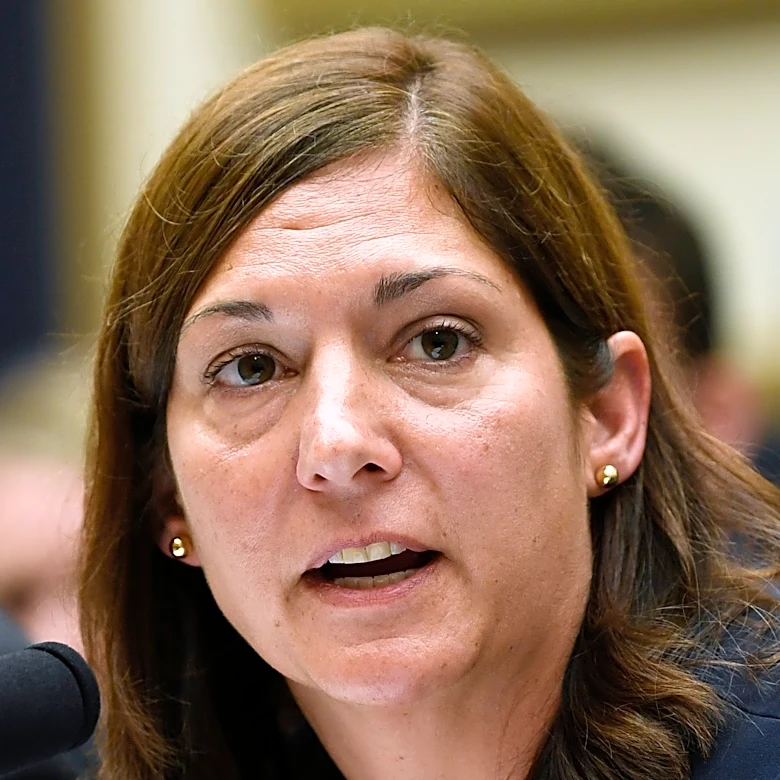
be co-chaired by U.S. Rep. Sarah Elfreth and Maryland Commerce Secretary Harry Coker Jr. Its scope includes various industries such as shipping, shipbuilding and repair, defense, research, tourism, and recreation. The group is mandated to identify challenges faced by maritime businesses and propose executive, legislative, or regulatory solutions. It will also explore incentives, tax credits, federal funding, and workforce development programs. The Seafarers Harry Lundeberg School of Seamanship in St. Mary’s County was highlighted as a key asset in the state's maritime training infrastructure, known for preparing workers for careers aboard ships through vocational instruction, academic education, and advanced qualifications for experienced mariners. The school's apprenticeship program, registered with the U.S. Department of Labor, combines classroom learning with shipboard training and employment.
Why It's Important?
The establishment of Maryland's maritime task force is significant for the state's economy and national maritime capabilities. The broader maritime sector in Maryland contributes over $10.2 billion annually and supports 115,000 jobs, with boating and fishing alone generating more than $700 million in added value. By focusing on business investment and workforce development, the task force seeks to strengthen this vital economic engine. The emphasis on institutions like the Seafarers Harry Lundeberg School of Seamanship underscores the importance of skilled labor in maintaining a robust maritime industry, which is crucial for national commerce and defense. Identifying and addressing obstacles for maritime businesses, alongside exploring federal funding and incentives, could position Maryland as a leader in the nation's maritime sector, fostering job creation and technological advancement. This initiative could also serve as a model for other states looking to enhance their maritime infrastructure and workforce.
What's Next?
The maritime task force is scheduled to meet at least every two months. An initial assessment of the industry is due by February 1, 2027, followed by an action plan on April 1, which will detail opportunities and barriers. Progress reports will commence on June 1, 2027, and continue every six months thereafter. A key assignment for the task force is to pursue a federal Maritime Prosperity Zone designation, which is contingent on Congress establishing such a program. The recommendations from the task force could lead to new executive orders, legislative changes, or regulatory reforms at the state level, as well as increased federal funding and support for Maryland's maritime industries. The ongoing reports will provide continuous updates on the task force's progress and the evolving landscape of the state's maritime sector.
Beyond the Headlines
Beyond the immediate economic and workforce benefits, Maryland's maritime task force initiative highlights a broader national recognition of the strategic importance of maritime industries. The focus on training and education, exemplified by the Seafarers Harry Lundeberg School, addresses a critical need for skilled labor in a sector that is essential for global trade, national security, and economic resilience. The pursuit of a federal Maritime Prosperity Zone designation suggests a potential shift towards more coordinated national strategies to support maritime infrastructure and innovation. This effort could also foster greater collaboration between state governments, federal agencies, and private industry, leading to more integrated approaches to maritime policy and development. The long-term implications include enhanced competitiveness for U.S. ports, improved supply chain stability, and a strengthened national defense posture through a well-trained and robust maritime workforce.