



What's Happening?
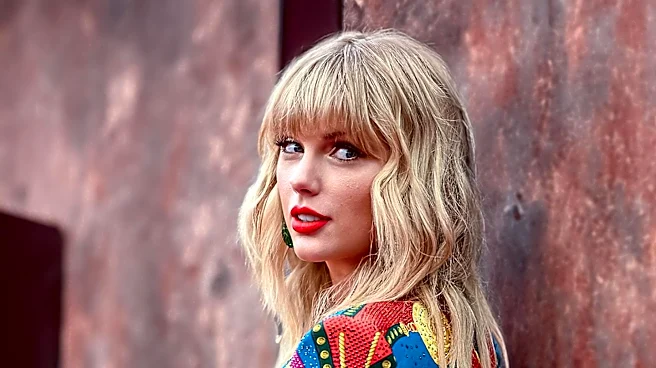
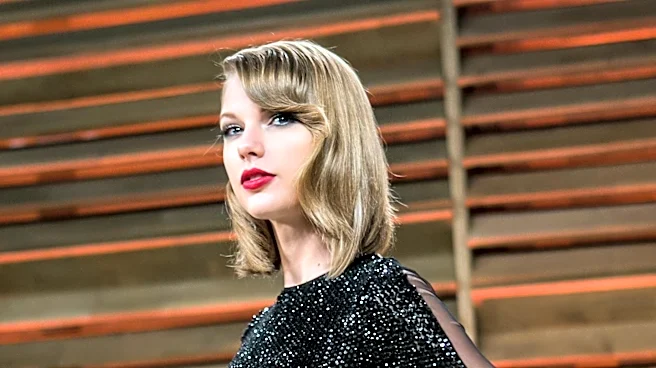
Condé Nast, the parent company of Vanity Fair and Vogue, is reportedly experiencing internal unrest after Vanity Fair published a controversial article about Taylor Swift. The piece, titled 'The Mastermind,' has drawn significant backlash from Swift's
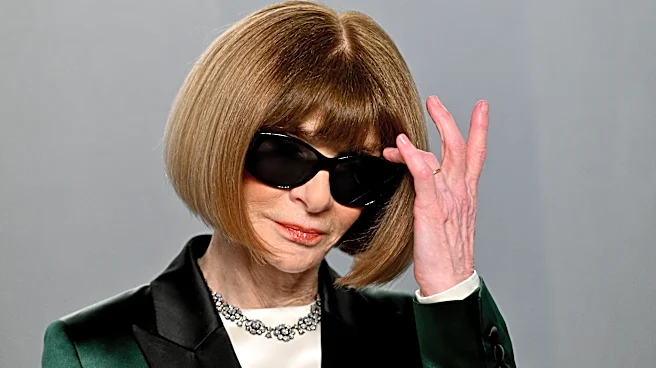
fans and raised concerns within the media conglomerate. Chloé Malle, Vogue's head of editorial content, reportedly expressed dissatisfaction, believing the article lacked substance and could damage relationships with Swift, potentially impacting future collaborations like Met Gala invitations or Vogue cover features. Anna Wintour, Condé Nast's Global Chief Content Officer, is said to be distancing herself from the controversy, despite claims that she was aware of the article prior to its publication. Speculation has also arisen regarding the job security of Vanity Fair's editorial director, Mark Guiducci, though a spokesperson for Vanity Fair has denied these claims, asserting Guiducci is highly valued within Condé Nast. The article's aggressive tone and perceived lack of clear justification have left many within the industry puzzled and critical of Condé Nast's editorial direction.
Why It's Important?
This internal turmoil at Condé Nast highlights the delicate balance media organizations must maintain between journalistic integrity and celebrity relations, especially in an era where public figures wield significant influence. The backlash from Taylor Swift's fanbase, known for its passionate engagement, demonstrates the potential for negative public sentiment to impact media outlets. For Condé Nast, a company reliant on access to high-profile individuals for its content, alienating a major star like Swift could have tangible consequences on future collaborations, exclusive features, and overall brand perception. The reported concerns from Chloé Malle underscore the strategic importance of maintaining positive relationships with celebrities for events like the Met Gala and magazine covers, which are crucial for both prestige and revenue. The situation also raises questions about editorial decision-making processes within major media houses and the potential for internal dissent when controversial pieces are published, affecting staff morale and potentially leading to shifts in editorial strategy.
What's Next?
The immediate aftermath of the controversy will likely involve Condé Nast navigating the public relations fallout and addressing internal concerns. While Vanity Fair has defended its editorial director, the ongoing discussion about the article's impact on celebrity relationships could prompt a re-evaluation of editorial guidelines concerning high-profile individuals. It remains to be seen whether Taylor Swift or her representatives will issue a public statement, which could further escalate or de-escalate the situation. The media industry will be watching to see if this incident affects Condé Nast's ability to secure future collaborations with major celebrities, particularly for high-profile events and exclusive content. Internally, there may be continued discussions about editorial independence versus the commercial implications of celebrity engagement. The long-term impact on Mark Guiducci's position and the editorial direction of Vanity Fair will also be a point of interest, as the company assesses the overall success and repercussions of the controversial piece.
Beyond the Headlines
Beyond the immediate corporate and celebrity implications, this incident touches upon broader themes of media ethics, the power dynamics between journalists and public figures, and the evolving nature of celebrity journalism. The criticism that the article lacked 'substance' yet was 'attacking' raises questions about the purpose and responsibility of critical profiles in an age where celebrity narratives are often carefully controlled. It also highlights the tension between generating clicks and maintaining journalistic credibility, especially when dealing with figures who command massive public followings. The reported concern about damaging relationships 'for nothing' suggests a pragmatic approach to celebrity coverage, where the potential for access and collaboration often outweighs the pursuit of purely critical narratives. This event could contribute to a larger industry discussion about the role of 'hit pieces' and whether they serve a genuine journalistic purpose or merely contribute to sensationalism, ultimately influencing how media outlets approach celebrity profiles in the future.