

What's Happening?
The landscape of designer collaborations in the sneaker industry is undergoing a significant transformation. Once a guaranteed success, these partnerships are now facing challenges due to market oversaturation and a generational shift among influential
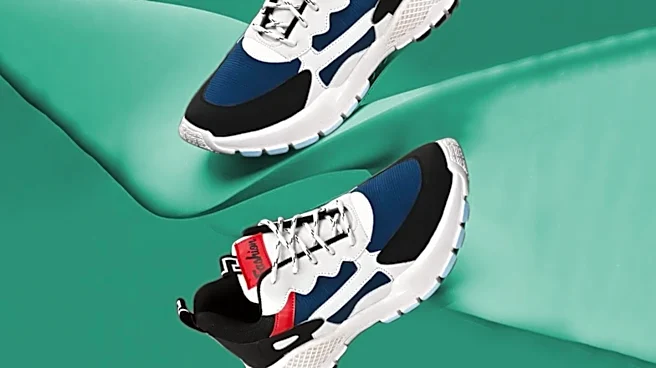
designers. While collaborations between two brands or designers were historically met with immense hype, the sheer volume of releases has diluted their appeal. Brands like A Ma Maniére, initially celebrated for their thoughtful Air Jordan collaborations, have been criticized for oversaturating the market with numerous releases, leading to a decline in scarcity and, consequently, hype. Similarly, high-fashion collaborations with Adidas, such as those with Prada and Balenciaga, have struggled to replicate the success of the Adidas x Gucci partnership, suggesting that simply attaching a designer name is no longer sufficient to capture consumer interest. The passing of Virgil Abloh and the diminished public standing of Kanye West have also left a void in the collaborative space, with emerging designers yet to command the same level of cultural influence.
Why It's Important?
This shift in the sneaker collaboration market has significant implications for both brands and consumers. For brands, the traditional model of relying on big-name designer partnerships for guaranteed sales is becoming less effective, necessitating a re-evaluation of their collaboration strategies. The focus is moving towards more thoughtful, intentional, and less frequent releases to maintain exclusivity and desirability. This could lead to a more curated market, where quality and unique storytelling take precedence over sheer quantity. For consumers, the decline in hype surrounding mass-produced collaborations means a potential decrease in the frenzied pursuit of limited-edition drops. It also opens up opportunities to discover exciting work from newer, less mainstream designers and brands, fostering a more diverse and perhaps more authentic sneaker culture. The emphasis on quality and intentionality in collaborations could also lead to more durable and well-designed products, benefiting consumers in the long run.
What's Next?
The future of sneaker collaborations is likely to see a continued evolution towards more niche and carefully curated partnerships. Smaller sneaker brands like Saucony, New Balance, and ASICS are emerging as key players in the collaborative space, partnering with up-and-coming fashion houses and off-kilter brands. These collaborations are characterized by their thoughtful design, high quality, and limited release schedules, which help maintain their allure. The success of partnerships like Miu Miu x New Balance and Auralee x New Balance indicates a growing consumer appetite for luxury-grade products and genuine design synergy. Brands will likely focus on building long-term, authentic relationships with designers that resonate with their core values, rather than pursuing short-term, high-volume collaborations. This strategic shift aims to recapture the excitement and exclusivity that once defined the collaborative sneaker market, ensuring that each release feels like a significant event.
Beyond the Headlines
The changing dynamics of sneaker collaborations reflect broader trends in consumer behavior and the fashion industry. The initial success of collaborations was driven by a desire for exclusivity and the cultural cachet associated with designer names. However, as the market matured, consumers became more discerning, prioritizing authenticity, quality, and thoughtful design over mere brand association. This evolution highlights a growing fatigue with fast fashion and mass-produced items, even within the sneaker world. It also underscores the power of scarcity and intentional marketing in creating desirability. The rise of smaller brands and emerging designers in the collaborative space suggests a democratization of influence, where creativity and unique perspectives are gaining traction. This could lead to a more sustainable and diverse fashion ecosystem, where innovation is valued over celebrity endorsements, and consumers are encouraged to explore a wider range of styles and brands.