






What's Happening?
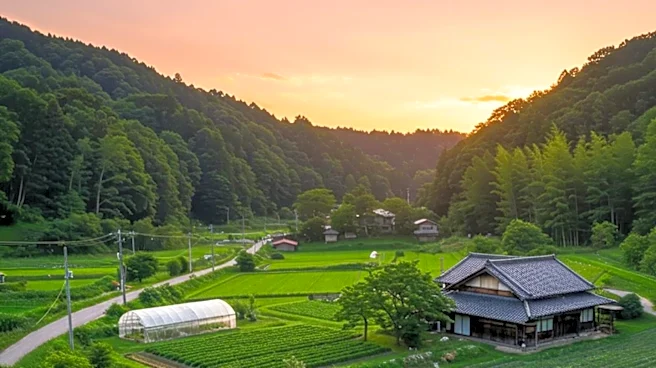
Brothers Hitoshi and Tatsuya Tsunoi established Tokyo Wasabi in 2020, a private farm in Okutama, less than 50 miles from central Tokyo, to cultivate authentic wasabi. Their initiative comes after Typhoon Hagibis destroyed 150 wasabi farms in the area
in 2019, with only about 50 being restored. The Tsunoi brothers utilize traditional Okutama farming methods, constructing terraced fields with local stones that tree roots eventually bind. This labor-intensive process involves shading plants from excessive sun, clearing streams of fallen leaves, and covering water with black synthetic mesh in winter. The supply of real wasabi has significantly declined over the past two decades due to an aging farming population, a scarcity of successors, and the impact of climate change, which is increasing the temperature of the streams essential for wasabi growth. Real wasabi requires stable water temperatures and precise sun exposure throughout its two-year growth cycle, making it a challenging crop to cultivate. The global market for both real and imitation wasabi was valued at approximately $469 million in 2025 and is projected to nearly double by 2034.
Why It's Important?
The efforts of the Tsunoi brothers are crucial for preserving traditional Japanese agricultural practices and the authentic taste of wasabi, a key component of Japanese cuisine. The decline in real wasabi supply has led to widespread use of imitations, often made from horseradish with green food coloring, which lacks the nuanced flavor profile of genuine wasabi. This initiative highlights the vulnerability of specialized agricultural products to environmental changes and demographic shifts within farming communities. The rising cost of real wasabi, which can range from $100 to $200 per pound, underscores its rarity and the economic challenges faced by growers. The brothers' success in supplying high-end restaurants and attracting international visitors through farm tours demonstrates a potential model for sustainable, niche agriculture that combines tradition with modern business strategies. Their work also brings attention to the broader issue of climate change affecting delicate ecosystems required for specific crops.
What's Next?
The Tokyo Wasabi farm is expected to continue its growth, potentially expanding its supply to more restaurants and businesses as demand for authentic wasabi increases. The brothers' innovative approach, including operating a food truck and selling wasabi coffee, suggests further diversification of their business model. Their guided mountain tours, which attract a significant number of international visitors, are likely to continue fostering appreciation for real wasabi and traditional farming. As climate change continues to impact agricultural conditions, the farm may need to adapt its cultivation techniques further to maintain optimal growing environments. The success of Tokyo Wasabi could also inspire other farmers or entrepreneurs to invest in the preservation and revitalization of other endangered traditional crops, potentially leading to increased awareness and support for sustainable farming practices in Japan and beyond. The projected growth of the global wasabi market indicates a continued opportunity for producers of both real and imitation products.
Beyond the Headlines
The story of Tokyo Wasabi extends beyond agricultural production, touching upon cultural preservation and the economic implications of authenticity in food. The widespread prevalence of fake wasabi highlights a broader issue in the global food industry where imitation products often dominate markets due to cost and availability. The brothers' dedication to growing 'hon wasabi' serves as a cultural anchor, ensuring that future generations can experience the true flavor of this traditional condiment. This effort also underscores the ethical considerations surrounding food labeling and consumer expectations. Furthermore, the challenges posed by climate change to wasabi cultivation serve as a microcosm for the broader threats to biodiversity and traditional food systems worldwide. The narrative emphasizes the value of direct farm-to-table connections and the growing consumer interest in understanding the origins and authenticity of their food, potentially influencing purchasing habits and supporting local, sustainable producers.