





What's Happening?
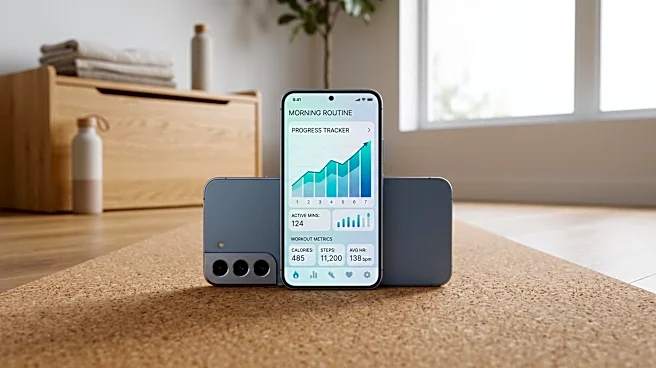
GYMDONE is presented as a gym workout application designed to provide personalized training plans. The app focuses on creating structured workouts based on individual user inputs, including body parameters, goals, age, equipment availability, and training level.
Key features highlighted include clear workout structures with defined exercises, sets, reps, and rest times, as well as robust progress tracking to help users monitor their strength gains over time. The application also supports health data synchronization with Google Health Connect and Apple Health, aiming to consolidate user health and fitness information in one place. GYMDONE is accessible on both Android and iOS platforms, making it widely available to smartphone users. It aims to cater to both beginners, by offering clear plans and direction, and intermediate lifters, by adapting to their evolving needs.
Why It's Important?
The emergence of apps like GYMDONE signifies a growing trend in the fitness industry towards highly personalized and accessible training solutions. This is important for the U.S. market as it democratizes access to structured workout routines that were once primarily available through personal trainers or specialized gym programs. For individuals, it offers a cost-effective way to engage in guided fitness, potentially leading to improved public health outcomes by making exercise more manageable and trackable. For the fitness technology sector, it highlights the demand for sophisticated algorithms that can tailor workout plans to diverse user needs, pushing innovation in app development. The integration with major health platforms like Apple Health and Google Health Connect also underscores the increasing importance of a unified digital health ecosystem, allowing users to have a comprehensive view of their wellness data.
What's Next?
The continued development of fitness apps like GYMDONE will likely focus on enhancing personalization through more advanced AI and machine learning algorithms, allowing for even more dynamic and responsive workout adjustments. Future iterations may also see deeper integration with a wider array of wearable devices and smart gym equipment, creating a more seamless and data-rich user experience. The competitive landscape will likely drive further innovation in user interface design, community features, and motivational tools to improve user retention. As the market matures, there may also be a push towards incorporating more holistic wellness aspects, such as mental health tracking and recovery protocols, alongside physical training. The emphasis on data privacy and security will also become increasingly critical as these apps collect more personal health information.
Beyond the Headlines
The rise of highly personalized fitness apps like GYMDONE reflects a broader societal shift towards self-optimization and data-driven personal development. This trend raises questions about the long-term impact on traditional fitness models, such as brick-and-mortar gyms and in-person personal training, which may need to adapt by integrating technology or offering more specialized, high-touch services. Ethically, the collection and use of extensive personal health data by these apps present challenges regarding privacy, data security, and the potential for algorithmic bias in recommendations. Culturally, these apps contribute to a growing reliance on digital tools for managing daily life, potentially altering how individuals perceive and engage with their physical well-being, moving towards a more quantified self-approach. The accessibility of such tools could also exacerbate the digital divide if certain populations lack access to the necessary technology or internet connectivity.