





What's Happening?
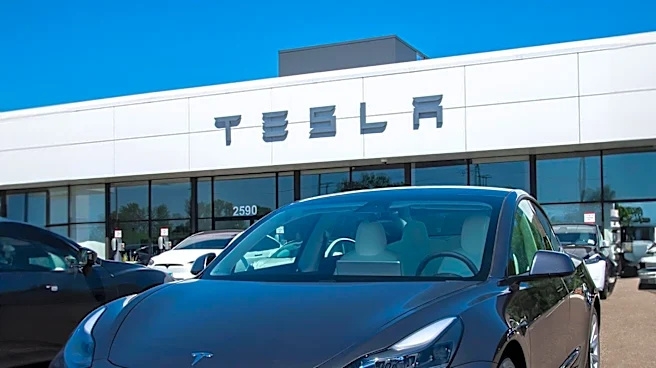
The Nevada Transportation Authority has granted Tesla a permit to operate driverless vehicles in Las Vegas, but with significant limitations. Tesla's application had requested authorization for up to 5,000 vehicles across all of Clark County, including
pickups at Harry Reid International Airport. However, the permit issued last month caps Tesla's robotaxi fleet at just 10 cars, restricts operations to an approved stretch of the Strip, prohibits airport pickups, and limits vehicle speed to 45 mph. The permit also mandates that every vehicle be labeled 'robotaxi,' passengers be informed they are riding driverless, and trips require 'appropriate human supervision.' To expand the fleet beyond 10 vehicles, Tesla must seek new approval from the Authority.
Why It's Important?
This decision by the Nevada Transportation Authority highlights the cautious approach regulators are taking towards the deployment of autonomous vehicle technology, particularly in densely populated and high-traffic areas like the Las Vegas Strip. The significant disparity between Tesla's request for 5,000 vehicles and the approved 10-vehicle cap underscores the regulatory hurdles and safety concerns that autonomous vehicle companies face. For Tesla, this limitation is particularly impactful as its entire unsupervised 'Robotaxi' fleet across the U.S. currently numbers only about 20 vehicles. The Nevada permit, while a step forward, indicates that the software and operational capabilities, rather than just permits or hardware, remain the primary bottleneck for Tesla's large-scale robotaxi deployment. This cautious regulatory stance could influence other states and cities considering similar autonomous vehicle programs, potentially slowing the widespread adoption of robotaxi services.
What's Next?
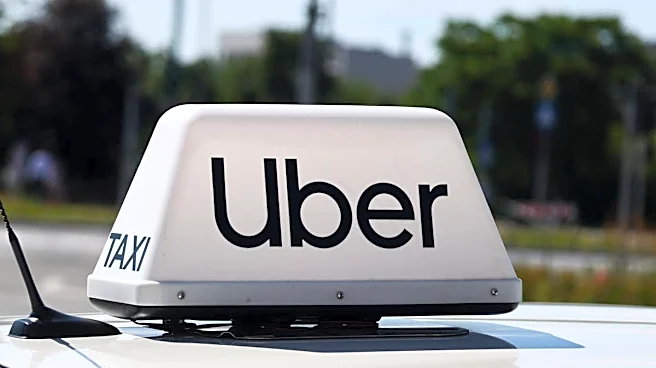
Tesla will proceed with launching its robotaxi service in Las Vegas with the permitted 10 vehicles, operating under the specified restrictions. This initial deployment will likely serve as a testing ground for Tesla's autonomous driving technology in a controlled urban environment. The company will need to demonstrate consistent safety and reliability to the Nevada Transportation Authority if it hopes to secure approval for a larger fleet in the future. Meanwhile, other autonomous operators like Waymo and Uber's Aviari Services, which also have pending applications in Nevada, will be closely watching Tesla's progress and the regulatory body's responses. The ongoing developments in Las Vegas will provide valuable insights into the regulatory landscape and operational challenges for autonomous vehicle companies seeking to expand their services across the U.S.
Beyond the Headlines
The Nevada decision reflects a broader societal debate about the balance between technological innovation and public safety in the context of autonomous vehicles. The stringent conditions imposed on Tesla's robotaxi operations suggest that regulators are prioritizing safety and public trust over rapid deployment, especially given the nascent stage of fully driverless technology. This cautious approach could lead to a more gradual and incremental rollout of autonomous vehicles nationwide, with regulators demanding robust testing and proven safety records before granting extensive operational permits. The incident also highlights the ongoing challenge for companies like Tesla to manage public and regulatory expectations regarding the capabilities and timelines of their autonomous driving systems, particularly when ambitious claims are made about future deployment scales.