








What's Happening?
The modern music listening experience is undergoing a transformation with the advent of lossless streaming and high-performance audio systems. Historically, music streaming has relied on compressed, lower-bitrate formats to ensure fast and reliable delivery
across varying internet speeds, which involved removing subtle layers of audio data. However, streaming services like Spotify and Tidal now offer lossless streaming options, providing listeners with uncompressed, CD-quality audio. This allows for the preservation of fine details, high-frequency nuances, spatial separation, and dynamic subtlety that were previously lost. Despite these advancements, many listeners still access compressed audio due to default settings, data-saving modes, or limitations of playback devices such as Bluetooth connections and small smartphone speakers.
Why It's Important?
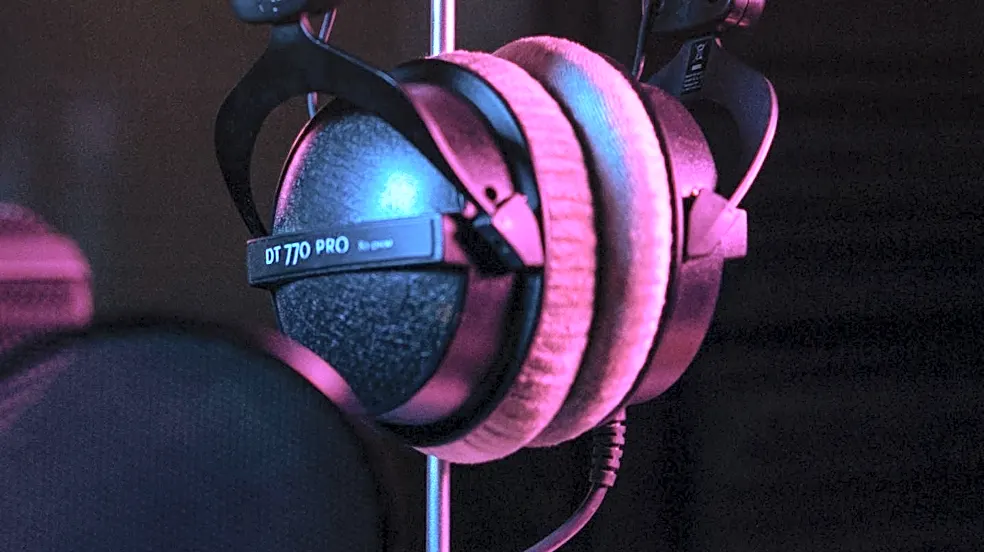
This shift towards lossless audio is significant for the music industry and consumers alike. For the industry, it represents a move away from the compromises of convenience-driven compression towards a renewed focus on audio fidelity, potentially driving innovation in recording, mastering, and distribution. For consumers, it offers the opportunity to experience music closer to the artist's original intent, revealing previously unheard details and enhancing emotional engagement. This could lead to increased demand for high-quality audio equipment, from headphones to home theater systems, stimulating growth in the audio technology market. The emphasis on preserving the full spectrum of sound also highlights the artistic value of sound engineering and production, encouraging a deeper appreciation for the craft behind music.
What's Next?
As lossless streaming becomes more prevalent, the industry is likely to see continued advancements in audio technology and playback hardware. Manufacturers will likely focus on developing devices that can fully leverage the benefits of lossless audio, such as improved DACs (Digital-to-Analog Converters) and wireless technologies with higher bandwidth. There may also be a greater push for educational initiatives to inform consumers about the differences between compressed and lossless audio, encouraging them to invest in better listening setups. The competition among streaming services to offer superior audio quality will likely intensify, potentially leading to more widespread adoption of high-resolution formats and a richer, more immersive listening landscape for music enthusiasts.
Beyond the Headlines
The re-emergence of high-fidelity audio in the digital age carries deeper implications beyond mere sound quality. It challenges the notion that convenience should always supersede quality, suggesting a growing desire among consumers for authentic and uncompromised experiences. This trend could foster a more discerning audience, encouraging critical listening and a deeper connection to the artistic expression embedded in music. It also raises questions about the long-term impact of digital compression on cultural heritage and the preservation of artistic works. By prioritizing lossless audio, the industry is not just selling a product; it is advocating for the integrity of art and the richness of human sensory experience, potentially influencing how future generations interact with and value creative content.