
What's Happening?
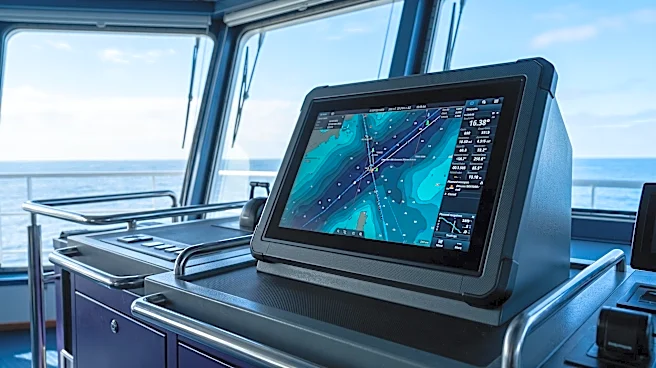
GeoNavigation Technologies has launched FairSeas™ UNIFY™, a maritime data integration platform designed to help the maritime industry transition to the S-100 data standard. S-100 is an evolving framework
that aims to standardize maritime information, enhancing interoperability, situational awareness, and navigational decision-making. Many existing maritime systems, however, were not built to accommodate S-100 data, leading to challenges such as disconnected systems, reliance on older S-57 formats, increased data management complexity, and concerns about the cost of system replacement. UNIFY™ acts as a backend integration layer, allowing legacy systems and next-generation S-100 data services to operate within a connected environment. It supports both S-57 and S-100 data formats simultaneously through its Dual Fuel Mode, aiming to reduce fragmentation and enable phased modernization without requiring an immediate, large-scale technology overhaul.
Why It's Important?
The maritime industry's shift to the S-100 standard is critical for improving global navigation safety and efficiency. For U.S. ports, vessel operators, and maritime technology providers, achieving S-100 readiness is not just a technical upgrade but an operational imperative. The challenges of integrating new standards with existing, often decades-old, infrastructure can be substantial, potentially leading to significant costs and operational disruptions. UNIFY™ offers a solution that mitigates these risks by providing a bridge between old and new systems. This is important for maintaining the safety and reliability of current operations while gradually adopting advanced data capabilities. By enabling a smoother transition, it helps U.S. maritime stakeholders avoid costly wholesale system replacements and ensures continued compliance with evolving international standards, which is vital for maintaining competitiveness and operational continuity in a globalized shipping environment.
What's Next?
The maritime industry is urged to prioritize S-100 readiness now, rather than waiting for new requirements to become immediate operational demands. GeoNavigation Technologies emphasizes that early evaluation of existing systems and the development of a transition strategy are crucial for identifying integration gaps and setting modernization priorities. UNIFY™ is positioned as a practical starting point for this process. As more S-100 products and services become available, the platform's flexible architecture will allow organizations to adapt their integration strategies. The goal is a manageable transition that controls modernization costs, reduces implementation complexity, and maintains operational stability. The future will likely see continued development and adoption of S-100 compliant systems, with integration platforms like UNIFY™ playing a key role in facilitating this evolution.
Beyond the Headlines
Beyond the immediate technical and operational benefits, the transition to S-100 and solutions like UNIFY™ have broader implications for data governance and cybersecurity in the maritime sector. As more data becomes standardized and interconnected, the volume and complexity of information exchanged will increase, necessitating robust cybersecurity measures to protect sensitive navigational and operational data from cyber threats. Furthermore, the enhanced interoperability promised by S-100 could foster greater collaboration among international maritime authorities, potentially leading to more unified global maritime policies and improved responses to incidents. The long-term impact could also include the development of new data-driven services and applications, transforming how maritime operations are planned, executed, and monitored, and potentially creating new economic opportunities within the U.S. maritime technology sector.