





What's Happening?
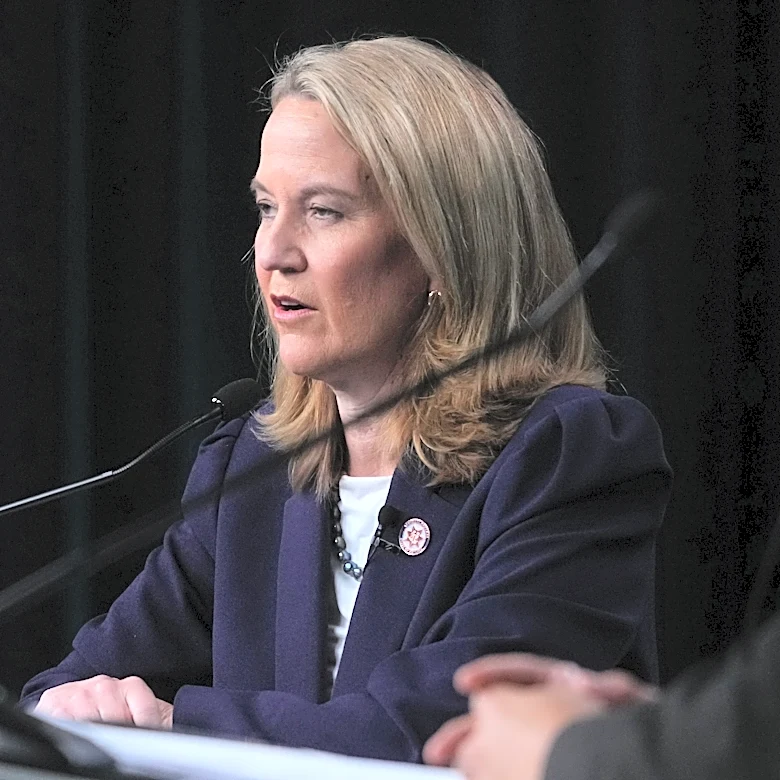
Maryland Governor Wes Moore has signed an executive order to create a new task force aimed at expanding and supporting maritime growth opportunities within the state. The task force, co-chaired by U.S. Representative Sarah Elfreth and Maryland Department
of Commerce Secretary Harry Coker Jr., will focus on identifying and leveraging national and international maritime opportunities. Its objectives include strengthening coordination between state agencies and local businesses to achieve maritime success and economic development. The task force will also work towards securing a Maritime Prosperity Zone designation for Maryland once Congress approves such a program, and will collaborate with stakeholders to develop plans for diversifying the state's maritime economy. Additionally, it will identify barriers for public and private entities in pursuing maritime opportunities and recommend legislative and regulatory actions to overcome them. The initiative seeks to coordinate and strengthen state and federal advocacy efforts, including international engagement, workforce training, and grant programs, while also recommending state business incentives and tax credits to support Maryland's maritime industries.
Why It's Important?
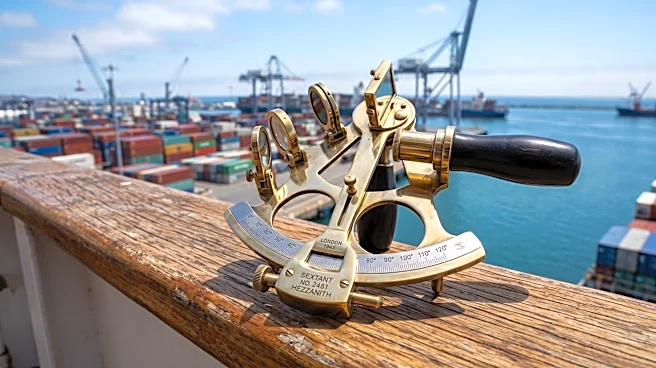
This initiative is crucial for Maryland's economy, as the maritime industry currently contributes over $10.2 billion annually and supports 115,000 jobs. By establishing the Maryland Maritime Task Force, the state aims to capitalize on its strategic infrastructure and historical maritime strengths to further enhance economic competitiveness. The focus on securing a Maritime Prosperity Zone designation and developing comprehensive plans for economic diversification could attract significant investment and create new employment opportunities, particularly in high-demand sectors like shipbuilding, mechanics, and engineering. The task force's efforts to identify and address barriers, along with advocating for state and federal support, are vital for fostering a robust maritime ecosystem. This move is expected to build on recent successes, such as the Port of Baltimore handling a record number of containers and vessel calls, and a significant $3.7 billion investment by Anduril Industries in a new high-tech shipyard, projected to create 3,100 jobs and generate over $2 billion in annual economic activity.
What's Next?
The Maryland Maritime Task Force will proceed with completing actions necessary to obtain a Maritime Prosperity Zone designation for the state, contingent on Congressional approval of the program. It will also begin collaborating with stakeholders to formulate a detailed action plan for advancing and diversifying Maryland's maritime economy. The task force is expected to identify specific barriers faced by public and private entities in the maritime sector and propose legislative and regulatory solutions. Furthermore, it will work on coordinating and strengthening advocacy efforts at both state and federal levels, including international engagement, workforce development programs, and grant initiatives. Recommendations for state business incentives, tax credits, and other economic development tools will be a key output, aiming to further stimulate growth in the state's maritime industries. The ongoing development of the Arsenal-2 megaproyect by Anduril Industries, with its projected job creation and economic impact, will likely be a significant focus for the task force's efforts.
Beyond the Headlines
The creation of the Maryland Maritime Task Force signifies a strategic long-term vision for Maryland's economic future, moving beyond immediate gains to establish a sustainable and diversified maritime industry. This initiative highlights the state's commitment to leveraging its unique geographical and infrastructural advantages, such as the Port of Baltimore and its historical shipbuilding capabilities, to become a national leader in the maritime sector. The emphasis on workforce training and international engagement suggests a proactive approach to developing a skilled labor force and fostering global partnerships, which are critical for sustained economic growth in a competitive global market. The task force's work could also set a precedent for other states looking to revitalize or expand their own maritime economies, demonstrating how coordinated state and federal efforts, combined with private investment, can drive significant economic transformation and job creation. This strategic focus on maritime prosperity reflects a broader understanding of economic resilience and the importance of diverse industrial bases.