







What's Happening?
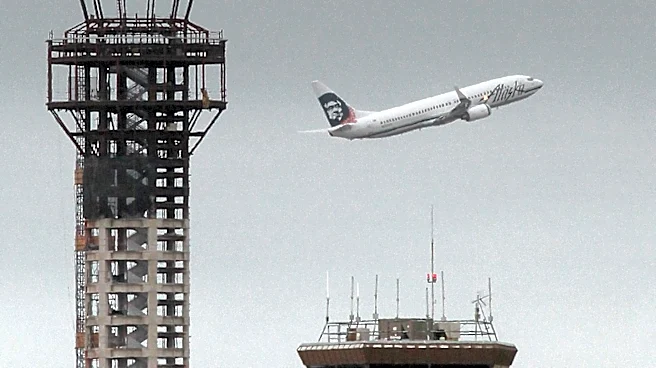
Plans for a new 451-room Westin hotel at Miami International Airport (MIA), which would have been the first in over 60 years, have been scrapped by developers Stephen Ross and Jeffrey Soffer. The proposed 150-foot hotel faced rejection from the Federal
Aviation Administration (FAA) due to concerns that its height would create a radar blind spot, posing a significant safety issue for airport operations. After nearly two years of negotiations and attempts to redesign the structure to meet FAA requirements, the developers concluded that the project was no longer economically viable at the chosen site. Ross's Related Ross and Soffer's Fontainebleau Development had secured a 50-year ground lease with Miami-Dade County in 2023, following a three-year bidding process, with lease terms including annual payments of $2.5 million or 3.5% of gross revenue, whichever was greater.
Why It's Important?
This decision underscores the critical role of federal agencies like the FAA in overseeing development projects near major airports, prioritizing aviation safety above all else. The halting of a significant commercial development, despite a lengthy bidding process and secured lease, highlights the complex regulatory hurdles and the potential for federal oversight to impact large-scale real estate ventures. For Miami-Dade County, the termination of the lease means a loss of anticipated revenue and the need to restart a lengthy request for proposals process for the site. It also reflects the challenges developers face when balancing ambitious architectural designs with stringent safety and operational requirements in sensitive locations like airport vicinities. The incident serves as a reminder that even well-advanced projects can be derailed by unresolvable regulatory conflicts.
What's Next?
Miami-Dade Aviation Director Ralph Cutié has confirmed the termination of the lease and indicated the county's intention to expedite a new request for proposals for the site. This means the process of finding a new developer and a viable project for an airport hotel will begin anew, potentially leading to further delays in bringing new hospitality options to MIA. Future proposals will undoubtedly need to meticulously address FAA regulations and safety concerns from the outset to avoid similar setbacks. County commissioners, who expressed frustration over the lack of updates, will likely maintain closer scrutiny over the next iteration of the project. The focus will be on finding a design and development plan that can satisfy both commercial interests and critical aviation safety standards.
Beyond the Headlines
The cancellation of the MIA hotel project reveals deeper implications regarding urban development in proximity to critical infrastructure. It highlights the inherent tension between economic growth, represented by commercial real estate, and the non-negotiable demands of public safety and operational integrity, particularly in aviation. This case could set a precedent for how future large-scale developments near airports are planned and approved, emphasizing early and thorough engagement with regulatory bodies like the FAA. It also raises questions about the due diligence processes in initial bidding stages for such projects, suggesting a need for more robust preliminary assessments of federal regulatory feasibility. The outcome underscores that even with significant investment and political will, federal safety mandates can ultimately dictate the limits of development.