







What's Happening?
Researchers from LSU's Pennington Biomedical Research Center, in collaboration with the University of Illinois Chicago and Baylor College of Medicine, have identified a brain mechanism that may explain the intensity of food cravings during pregnancy.
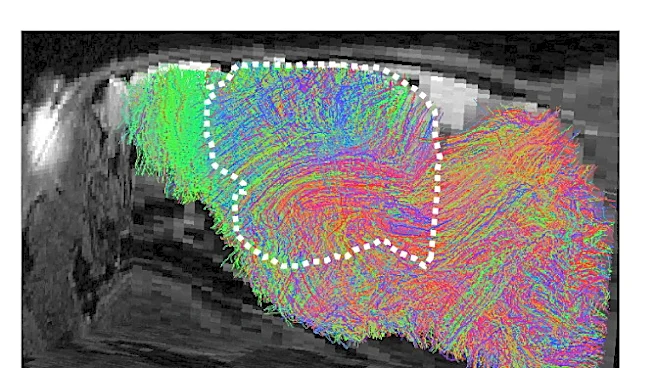
Published in Nature Neuroscience, the study, primarily conducted in animal models, found that serotonin-producing neurons in the dorsal raphe nucleus become less active during pregnancy. This reduced activity increases food-craving-like behavior. The team discovered that an increase in the activity of the SK3 potassium ion channel in these serotonin neurons during pregnancy leads to their reduced firing. Manipulating SK3 activity directly influenced both neuronal activity and food-seeking behavior, mimicking or reversing pregnancy-related changes. A neural pathway connecting these serotonin neurons to the ventral tegmental area, a brain region involved in reward, was also identified as playing a role.
Why It's Important?
This research provides crucial insights into the neurobiological underpinnings of pregnancy-related food cravings, a common yet often misunderstood phenomenon. Understanding the specific brain mechanisms involved could pave the way for future interventions to manage excessive weight gain during pregnancy, which can have long-term health implications for both mother and child. By identifying the role of serotonin neurons and the SK3 potassium ion channel, scientists now have potential targets for therapeutic strategies. While current findings are based on animal models, successful translation to human studies could lead to dietary recommendations or behavioral strategies tailored to mitigate intense cravings, thereby promoting healthier pregnancies and reducing the risk of maternal obesity and associated complications.
What's Next?
The immediate next step is to conduct further research to determine how pregnancy-related hormonal and other physiological changes influence SK3 activity and serotonin signaling. More importantly, researchers aim to gather additional evidence from human clinical studies to ascertain whether these findings can be translated to the prevention of maternal obesity. This will involve investigating if similar brain mechanisms are at play in pregnant women and exploring safe and effective ways to modulate these pathways without adverse effects. Future studies might also explore the interplay between these brain mechanisms and specific dietary patterns or lifestyle factors during pregnancy, potentially leading to more personalized approaches for managing cravings.
Beyond the Headlines
This study delves into the complex interplay between physiological changes, brain chemistry, and behavior, highlighting how profound hormonal shifts during pregnancy can rewire neural circuits. Beyond the immediate implications for managing food cravings, this research opens broader avenues for understanding how physiological states influence motivation and reward systems in the brain. It underscores the intricate connection between the endocrine and nervous systems, offering a model for investigating other appetite-related disorders or behavioral changes linked to hormonal fluctuations. The caution against directly manipulating serotonin during pregnancy also emphasizes the delicate balance of neurochemical systems and the need for thorough safety evaluations before any clinical applications, reinforcing the ethical considerations in neuroscience research involving vulnerable populations.