


What's Happening?
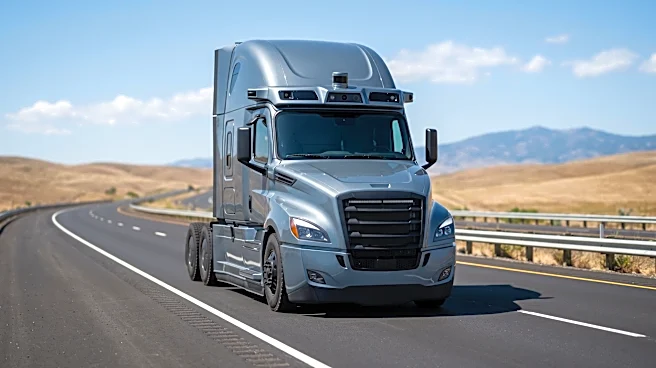
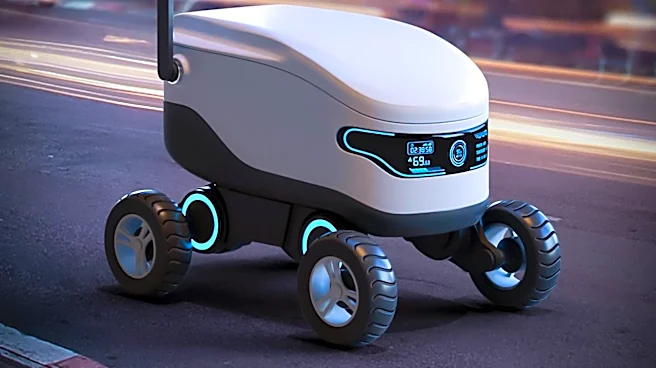
The combined market for mobile robots, autonomous vehicles, and drones in logistics is anticipated to experience a fifteen-fold expansion over the next two decades, reaching approximately $233.6 billion in annual equipment revenue by 2046, according to IDTechEx.
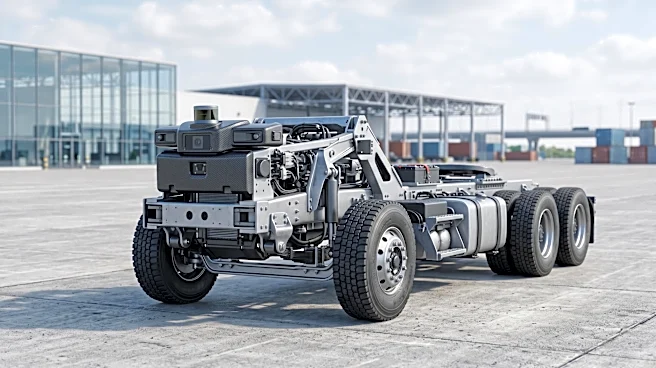
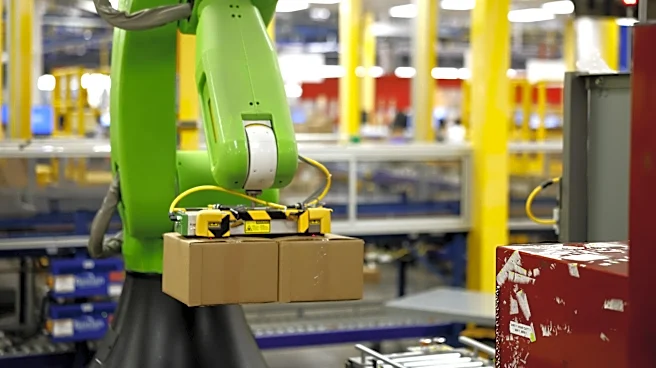
This growth is largely fueled by rising labor costs, persistent workforce shortages, and increasing fulfillment complexity, prompting manufacturers and logistics operators to invest in automated material handling solutions. The market is seeing a significant shift from conventional automated guided vehicles (AGVs) and grid-based automated guided carts (AGCs) to more flexible autonomous mobile robots (AMRs) and autonomous mobile vehicles (AMVs). These advanced systems offer greater operational flexibility and reduced reliance on fixed infrastructure due to improvements in navigation and perception technologies. Intralogistics and mobile picking are expected to remain the largest application segments, accounting for over half of the overall market opportunity.
Why It's Important?
This projected growth signifies a major transformation in U.S. logistics and manufacturing sectors. The increased adoption of AMRs and AMVs will enhance efficiency, reduce operational costs, and address labor challenges in warehouses and factories. Businesses that embrace these technologies stand to gain a competitive advantage through optimized supply chains and faster fulfillment times. The shift towards autonomous navigation platforms will also drive innovation in related industries, such as sensor technology, AI, and system integration. Conversely, companies heavily invested in traditional AGV infrastructure may face pressure to adapt or risk obsolescence. The expansion of mobile picking capabilities, though technically complex, promises to further automate warehouse operations, impacting job roles and requiring a re-skilling of the workforce to manage and maintain these advanced robotic systems.
What's Next?
IDTechEx's long-term market modeling predicts a gradual redistribution of revenue across major intralogistics robot categories, with autonomous navigation platforms capturing an increasing market share. Unit-load AMRs and heavy-load AMVs are expected to gain significant market share, while conventional AGVs and grid-based AGCs will continue to serve applications with predictable workflows. The commercial readiness of mobile picking technologies, particularly structured case-picking systems and mobile manipulators, will continue to evolve, expanding the range of economically viable applications. The pace of adoption and technology substitution will vary across different facilities, influenced by initial capital expenditure, integration complexity, workflow compatibility, safety validation, and fleet utilization. Ongoing advancements in mobility, manipulation, and system integration are expected to support broader commercial deployment through 2046.
Beyond the Headlines
The widespread integration of mobile robotics and autonomous vehicles into logistics and manufacturing raises deeper implications beyond economic efficiency. Ethical considerations regarding job displacement and the future of human labor in these sectors will become more prominent. The increasing reliance on autonomous systems also brings forth questions of cybersecurity and the resilience of automated supply chains against potential disruptions or attacks. Furthermore, the development of more sophisticated AI for navigation and manipulation will push the boundaries of human-robot collaboration, necessitating new safety protocols and regulatory frameworks. The data generated by these intelligent systems will also become a valuable asset, prompting discussions around data ownership, privacy, and the potential for new business models based on operational insights.