


What's Happening?
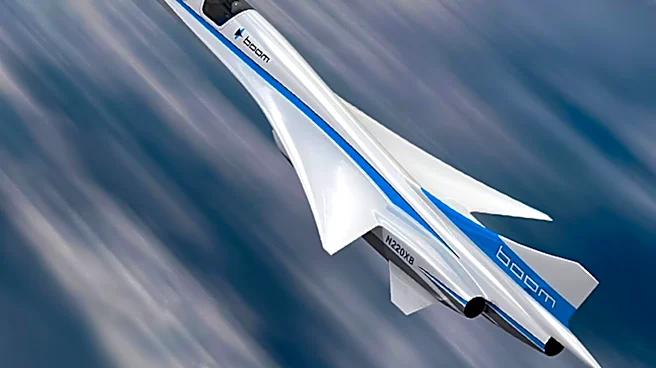
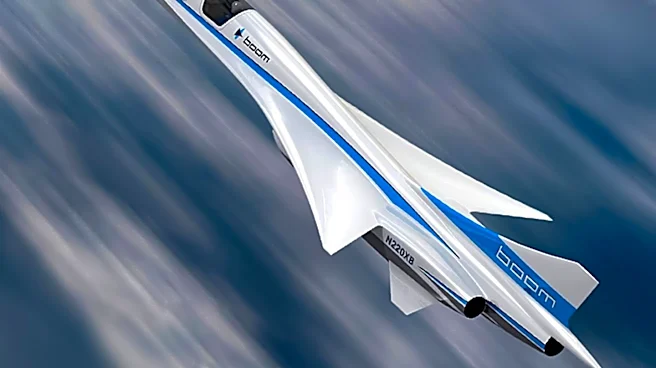
Boom, a company known for its supersonic aviation ambitions, has successfully conducted the first prototype engine core test for its Superpower project, which aims to develop a 42 MW natural gas turbine for AI electricity generation. The test, reported
by Guy Norris on November 22, took place at Colorado Air and Space Port in Watkins, east of Denver. CEO Blake Scholl stated that ignition succeeded on the second attempt, reaching 6,500 revolutions per minute, with nearly 2,000 sensors collecting data during a brief run. This milestone represents an initial operating test of development hardware, with commercial electrical performance still in the future. The engine core is the central assembly responsible for compressing air, burning fuel, and extracting energy. This test provides engineers with operating hardware to evaluate, moving beyond component work and design calculations. The Superpower project is intended to support continued development of Boom's planned supersonic airliner, Overture, by serving the urgent demand for electricity from data center operators.
Why It's Important?
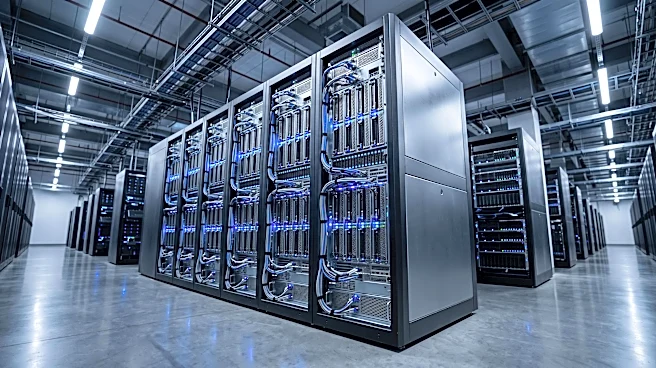
This development is significant because it marks a tangible step in Boom's strategy to diversify into industrial power generation, leveraging its engine technology to address the growing electricity demands of AI infrastructure. The company aims to compete with established suppliers like GE Vernova in providing power solutions for data centers. The success of the Superpower project could provide a crucial revenue stream and operational experience, supporting the costly development of the Overture supersonic jet. For the AI industry, which faces increasing electricity constraints, Boom's entry could offer an additional generation option. The International Energy Agency's 2026 outlook projects global data center electricity consumption to nearly double by 2030, highlighting the critical need for new power sources. However, the commercial viability of Superpower hinges on its ability to deliver reliable, maintainable, and commercially competitive equipment on a schedule that meets the urgent needs of data center operators, who require dependable supply for servers, cooling, and supporting infrastructure.
What's Next?
Boom plans to expand testing of the engine core over the next two months, with CEO Blake Scholl targeting mid-2027 for the integration of the full engine. Future updates will need to demonstrate consistent progress across a broader operating range and provide more specific details on the integrated engine's schedule and readiness. A key challenge for Boom will be to secure new customer commitments, especially after its original launch partner, Crusoe, ended its Superpower partnership in September 2026. The company will need to provide evidence of current counterparties, defined project scopes, and clear descriptions of equipment status to build commercial confidence. Additionally, Boom must address questions regarding sustained output, long-term maintenance, and manufacturing capabilities, as a working prototype is only one step toward a commercially viable product. The company has announced plans for expanded production, including a factory targeting 2 GW of annual turbine capacity, but the actual manufacturing and delivery of equipment remain critical next steps.
Beyond the Headlines
The broader implications of Boom's venture into industrial power generation extend beyond immediate technical and commercial milestones. This strategy represents a significant bet on the convergence of aerospace technology and energy infrastructure, particularly driven by the demands of the AI sector. The ethical and environmental considerations of using natural gas turbines for AI power, despite their association with advanced technology, will likely come under scrutiny, requiring transparent reporting on emissions and overall environmental performance. The success of this diversification could set a precedent for other aerospace companies to leverage their core technologies in new markets, potentially reshaping industrial landscapes. Conversely, failure could highlight the challenges of transitioning highly specialized engineering into commercially competitive products in a different sector. The long-term shift could see a more integrated approach to energy solutions for data centers, where power generation is developed in tandem with other advanced technologies, rather than being an afterthought.