







What's Happening?
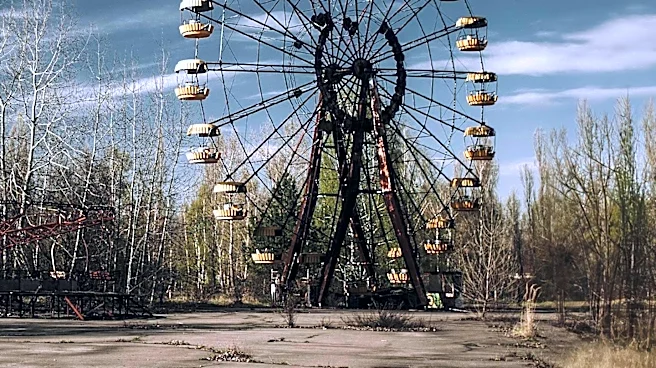
In the late 19th and early 20th centuries, many amusement parks in the United States were built near graveyards due to cost and convenience. These parks were often located at the end of trolley lines, where land was cheaper and more available. The proximity
to cemeteries was not unusual at the time, as cemeteries were seen as public parks and places for leisure. This historical overlap highlights the practical considerations of early amusement park locations and reflects a time when leisure and the macabre coexisted more naturally.
Why It's Important?
Understanding the historical context of amusement park locations offers insights into urban development and cultural attitudes towards leisure and death. The placement of parks near graveyards reflects a period when public spaces served multiple purposes, and cemeteries were integral to community life. This history can inform current discussions about land use, urban planning, and the evolution of public spaces. It also sheds light on how cultural perceptions of death and recreation have changed over time, influencing modern park design and location choices.