




What's Happening?
Brands are increasingly focusing on women's activewear campaigns, recognizing the market's growth and its representation of lifestyle choices, empowerment, and self-expression. A key strategy in these campaigns is the utilization of influencer marketing.
Brands are collaborating with fitness influencers, athletes, and lifestyle bloggers whose values align with their own and who resonate with their target demographics. This approach aims to leverage authentic endorsements to significantly boost campaign reach and engagement. The process involves identifying the target audience, creating high-quality visual content and compelling copy, and effectively using social media platforms like Instagram, TikTok, and Facebook to showcase products and interact with consumers. The goal is to connect with health-conscious and fashion-forward consumers, driving sales and fostering brand loyalty in a booming global activewear market.
Why It's Important?
The strategic use of influencer marketing in women's activewear campaigns is crucial for brands seeking to establish a deeper connection with their target audience and drive sales. In a competitive market, authentic endorsements from trusted influencers can cut through advertising noise, building credibility and trust among potential customers. This approach allows brands to tap into specific niches within the fitness and lifestyle sectors, reaching consumers who are already engaged with relevant content. By aligning with influencers, brands can effectively communicate the lifestyle, comfort, style, and performance aspects of their activewear, which are key purchasing drivers for women. The success of these campaigns, measured by KPIs like sales numbers, social media engagement, and website traffic, directly impacts a brand's market share and profitability in the rapidly expanding activewear industry.
What's Next?
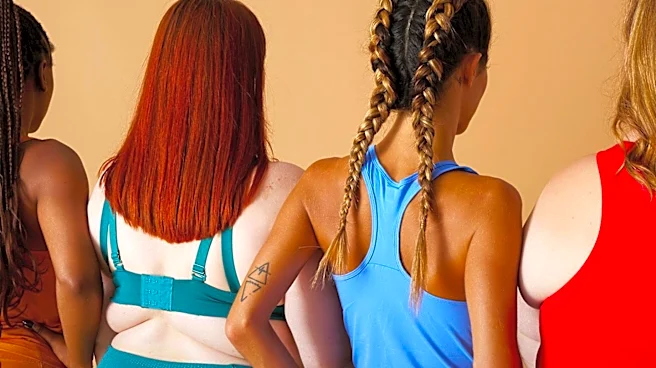
Brands will likely continue to refine their influencer marketing strategies, focusing on deeper analytics to identify the most effective partnerships and content types. There will be an increased emphasis on long-term collaborations with influencers to build sustained brand advocacy rather than one-off promotions. As the activewear market evolves, brands will also need to stay ahead of trends in fashion, sustainability, and technological advancements in fabric to ensure their campaigns remain relevant and appealing. Measuring campaign success through key performance indicators (KPIs) and incorporating customer feedback will be critical for continuous improvement and adapting to changing consumer preferences. The integration of diverse representation in visuals and messaging will also become more prominent to ensure inclusivity and broader appeal.
Beyond the Headlines
The reliance on influencer marketing in the activewear sector highlights a broader shift in consumer behavior and advertising. Consumers are increasingly seeking authenticity and relatability, often trusting recommendations from individuals they follow online more than traditional advertisements. This trend raises questions about the ethical responsibilities of influencers and brands to ensure transparency in sponsored content. Furthermore, the emphasis on 'lifestyle choices, empowerment, and self-expression' in activewear campaigns reflects a cultural shift where fitness and wellness are intertwined with personal identity. This can lead to both positive outcomes, such as promoting healthier lifestyles, and potential pitfalls, such as contributing to unrealistic body image standards if not handled responsibly. The continuous evolution of social media platforms will also shape how these campaigns are executed, demanding constant innovation from brands to maintain engagement.