







What's Happening?
As summer road trips become more popular, Consumer Reports provides guidance on whether renting an electric vehicle (EV) is a cost-effective option compared to traditional gas-powered cars. Keith Barry, an auto writer and EV expert at Consumer Reports,
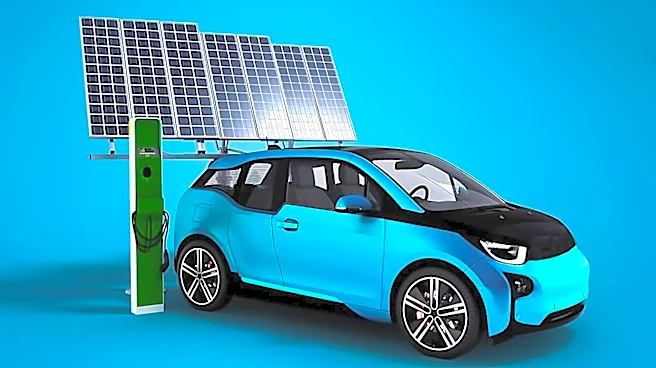
highlights that charging an EV is generally cheaper than refueling a gas car, though savings depend on various factors such as the availability of chargers and the vehicle's battery range. The report advises travelers to consider the type of chargers available at their destinations, with Level 2 chargers being common at homes and hotels, and DC fast chargers available at highway rest areas. For long trips, especially in areas with scarce charging stations, a hybrid vehicle might be more practical. Additionally, Consumer Reports warns about rental deals that appear cheap upfront but may have restrictions, and emphasizes the importance of deleting personal data from rental cars before returning them.
Why It's Important?
The advice from Consumer Reports is significant as it addresses the growing interest in electric vehicles amid rising gas prices, which impact travel budgets. By providing insights into the cost-effectiveness and practicality of renting EVs, the report helps consumers make informed decisions that could lead to savings and a reduced carbon footprint. The emphasis on understanding charging infrastructure and rental terms is crucial for travelers to avoid unexpected costs and inconveniences. This guidance is particularly relevant as the U.S. continues to transition towards more sustainable transportation options, with potential implications for the car rental industry and consumer behavior.
What's Next?
Travelers considering EV rentals are likely to evaluate their travel plans more carefully, taking into account the availability of charging stations and the specific terms of rental agreements. Car rental companies may respond by expanding their EV offerings and improving transparency in rental terms to attract environmentally conscious consumers. Additionally, as the demand for EVs grows, there could be increased investment in charging infrastructure, particularly in less accessible areas, to support the needs of travelers. This shift may also influence policy discussions around sustainable transportation and infrastructure development.