




What's Happening?
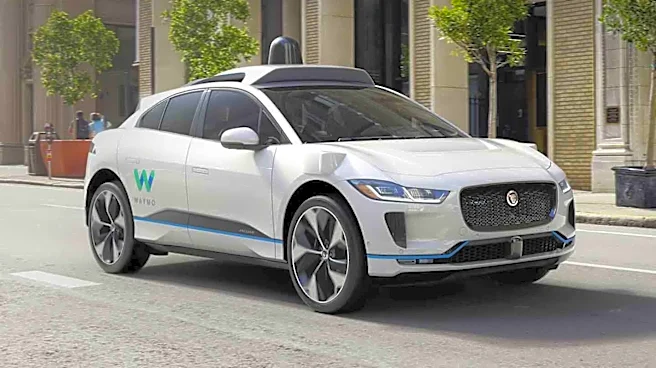
Waymo, the autonomous driving technology company, plans to introduce its own dedicated application for robotaxi services in Austin and Atlanta, effective January 2028. This strategic move will terminate the exclusive partnership Waymo previously held
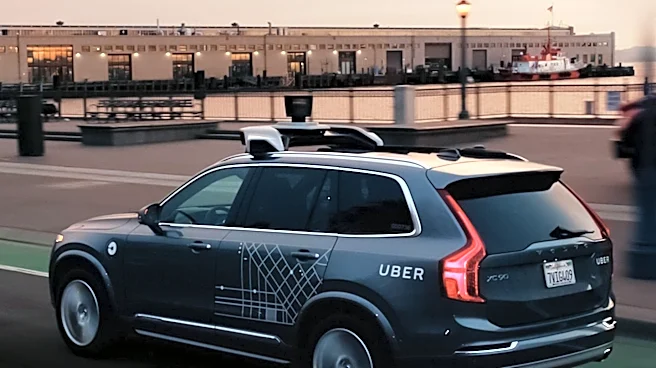
with Uber in these two U.S. cities. According to Tekedra Mawakana, co-CEO of Waymo, the decision stems from customer feedback indicating an inconsistent experience when ordering autonomous vehicles through the Uber platform. Customers using Uber were not guaranteed an autonomous vehicle, leading to a less reliable service. By launching its own app, Waymo aims to provide a more consistent service and establish a direct relationship with its users. Despite this shift, Mawakana acknowledged Uber's significant role in Waymo's expansion and growth. Waymo currently operates in 14 U.S. cities and facilitates over 500,000 trips weekly, demonstrating its substantial presence in the autonomous vehicle market.
Why It's Important?
This development signifies a crucial shift in Waymo's operational strategy, moving towards greater independence and direct customer engagement. By controlling the user interface and service delivery through its own app, Waymo can ensure a more consistent and branded experience, which is vital for building customer trust and loyalty in the nascent robotaxi industry. The termination of exclusivity with Uber in Austin and Atlanta suggests Waymo is confident in its ability to attract and retain customers independently, potentially increasing its market share and revenue streams directly. For consumers in these cities, it could mean a more reliable and predictable autonomous vehicle service. For Uber, while Waymo acknowledges its past contributions, this change indicates a potential reduction in its role as a primary platform for Waymo's services, possibly prompting Uber to further invest in its own autonomous driving initiatives or seek new partnerships.
What's Next?
Starting January 2028, Waymo will directly offer its robotaxi services to customers in Austin and Atlanta through its proprietary application. This transition will require Waymo to manage all aspects of customer acquisition, service delivery, and support in these markets, moving away from relying on Uber's established user base and operational infrastructure. It is anticipated that Waymo will launch marketing campaigns to promote its new app and attract users directly. The success of this independent venture in Austin and Atlanta could influence Waymo's strategy in other cities where it currently operates or plans to expand. Competitors in the autonomous vehicle space will likely observe Waymo's performance closely, as this move could set a precedent for how autonomous ride-hailing services evolve in major U.S. urban centers.
Beyond the Headlines
Waymo's decision to launch its own app reflects a broader trend in the tech industry where companies seek to own the entire customer journey to enhance brand control and data collection. By establishing a direct relationship with users, Waymo can gather valuable first-party data on customer preferences, usage patterns, and feedback, which can be instrumental in refining its autonomous driving technology and service offerings. This move also highlights the evolving dynamics between technology developers and platform providers; while partnerships can facilitate initial growth, companies often aim for greater autonomy as they mature. Ethically, direct control over the service allows Waymo to implement its own safety protocols and customer service standards without intermediation, potentially leading to a more accountable and transparent operation in the sensitive domain of autonomous transportation.