







What's Happening?
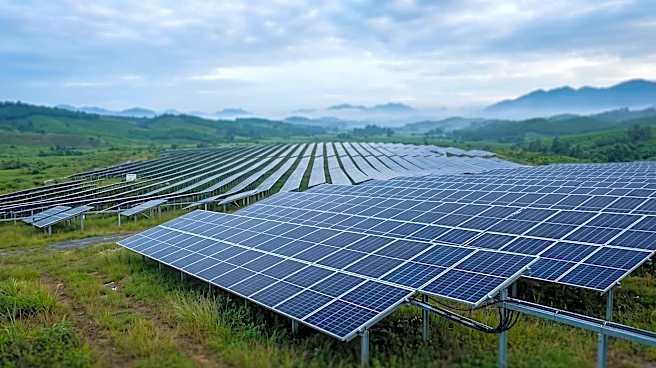
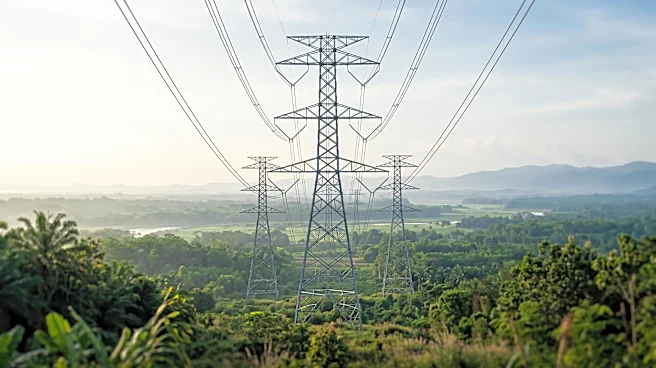
Indonesia is pursuing the development of a 'Green Super Grid' to connect its geographically dispersed renewable energy resources with major demand centers, primarily Java and other industrial hubs. The country's most promising renewable sources, such
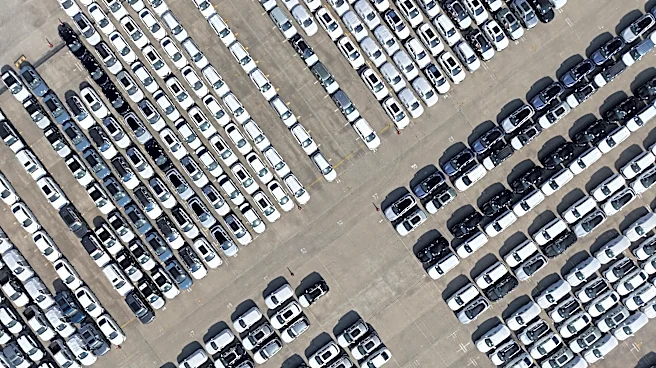
as hydropower in Kalimantan and Papua, and solar and wind potential in eastern Indonesia, are currently isolated from the largest electricity consumers. This ambitious project, which includes plans for nearly 48,000 kilometers of new transmission lines over the next decade, aims to create a national clean-energy system capable of supporting Indonesia's industrial growth, including downstream mineral processing, electric vehicle manufacturing, and data centers. The primary challenge for this initiative is securing financing, as transmission projects typically require large upfront investments and long development timelines, often attracting less investor attention than power generation assets.
Why It's Important?
The development of Indonesia's Green Super Grid is critical for its energy transition and economic ambitions, making it a significant point of interest for the U.S. as a global leader in clean energy and technology. A successful grid integration would enable Indonesia to harness its vast renewable energy potential, reducing reliance on fossil fuels and contributing to global climate goals. For U.S. businesses, this project could open opportunities in renewable energy technology, grid infrastructure development, and related industries. It also highlights the strategic importance of energy infrastructure in supporting industrial growth and attracting foreign investment. The involvement of the European Union, through its Global Gateway initiative, underscores the growing international competition and collaboration in financing large-scale infrastructure projects in emerging economies, which the U.S. also seeks to influence through its own development finance initiatives. This project's success could set a precedent for other archipelagic nations facing similar energy connectivity challenges.
What's Next?
Indonesia is expected to formally propose to the European Union to help finance its Green Super Grid, specifically seeking support through the EU's Global Gateway initiative. This cooperation would aim to mobilize concessional financing, technical expertise, and project preparation support. The focus of future Europe-Indonesia energy cooperation is anticipated to shift towards transmission connectivity, including high-voltage inter-island links. The objective is not merely to build more power plants but to establish a comprehensive national electricity system that can underpin a modern industrial economy. The success of securing EU support will be crucial for the project's timeline and scope, potentially influencing Indonesia's ability to meet its ambitious clean energy and industrial development targets.
Beyond the Headlines
The Green Super Grid is more than just an energy project; it is a strategic industrial policy initiative designed to transform Indonesia's economy. By ensuring a reliable and abundant supply of renewable electricity, Indonesia aims to attract and support energy-intensive industries, such as electric vehicle manufacturing and data centers. This long-term vision has profound implications for global supply chains and the competitive landscape of green industries. For the U.S., understanding this strategic intent is vital for its economic and geopolitical engagement in Southeast Asia. It highlights the importance of investing in foundational infrastructure to unlock broader economic potential and achieve sustainability goals. The project also raises questions about technology transfer, intellectual property, and the standards that will govern this massive infrastructure development, all of which could have long-term impacts on international trade and technological leadership.