







What's Happening?
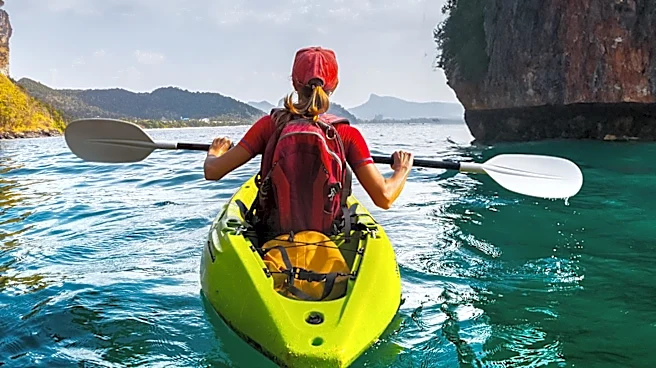
Most recreational kayaks are designed to be stable and do not tip easily, especially when used in calm waters, loaded correctly, and paddled within their intended conditions. Kayak stability is influenced by hull shape, width, how gear is distributed,
and the paddler's balance and skills. There are two types of stability: primary stability, which is how steady a kayak feels on flat water, and secondary stability, which describes its behavior when tilted. Wider kayaks typically offer better primary stability, making them feel steadier. Common causes for tipping include leaning too far, uneven loading, abrupt movements, exceeding one's skill level in challenging conditions, and disregarding weather warnings. To prevent tipping, paddlers should keep their weight centered, load gear evenly and low, move deliberately, and practice basic paddling skills in sheltered waters before attempting more challenging conditions.
Why It's Important?
Understanding kayak stability and how to prevent tipping is crucial for paddler safety and enjoyment, particularly as kayaking continues to grow in popularity as a recreational activity. This knowledge empowers new kayakers to feel more confident on the water and make informed decisions about equipment and conditions. For the kayaking industry, promoting safe practices and designing stable kayaks can enhance consumer trust and encourage broader participation. Emphasizing proper technique and gear management also reduces the likelihood of accidents, which can have significant implications for emergency services and water safety organizations. Furthermore, it helps foster a culture of responsible recreation, ensuring that participants are well-prepared for their aquatic adventures.
What's Next?
As kayaking evolves, manufacturers will likely continue to innovate in kayak design, focusing on enhanced stability features and user-friendly designs that cater to beginners while still offering performance for experienced paddlers. Educational programs and instructional content on kayak safety, balance techniques, and proper loading will remain vital, potentially expanding through online resources and local paddling clubs. There may also be an increased emphasis on specialized kayaks for activities like fishing, which require specific stability considerations. The development of accessories that aid in stability, such as outriggers, could also see further advancements. Overall, the focus will remain on making kayaking a safe and accessible activity for all skill levels.
Beyond the Headlines
The discussion around kayak stability extends beyond mere physical balance; it touches upon the psychological comfort and confidence of the paddler. A stable kayak allows individuals to relax and fully immerse themselves in the natural environment, enhancing the therapeutic benefits often associated with paddling. Conversely, a perceived lack of stability can create anxiety, detracting from the experience. This highlights the importance of matching the kayak to the paddler's skill level and intended use, fostering a positive relationship with the activity. Furthermore, the principles of balance and weight distribution in kayaking can serve as metaphors for broader life skills, emphasizing the importance of preparation, deliberate action, and understanding one's limits in various contexts.