


What's Happening?
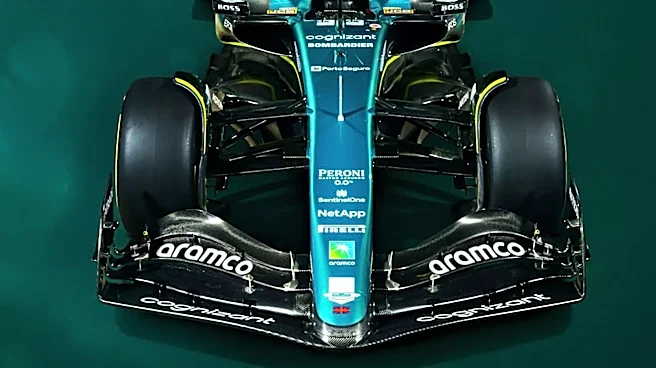
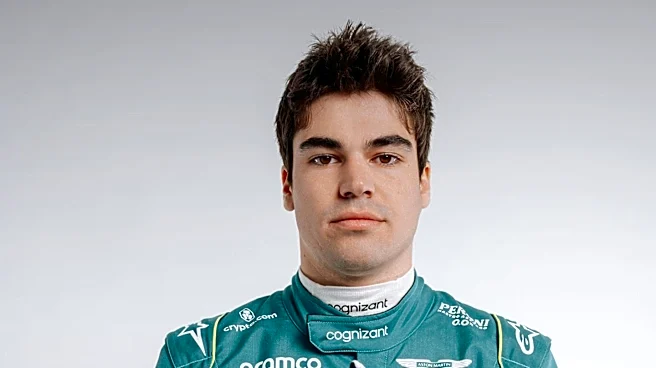
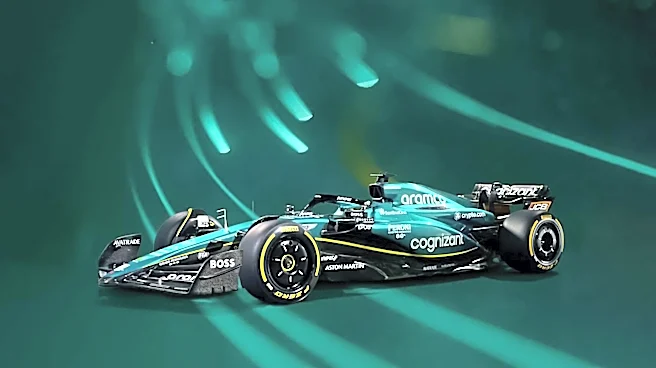
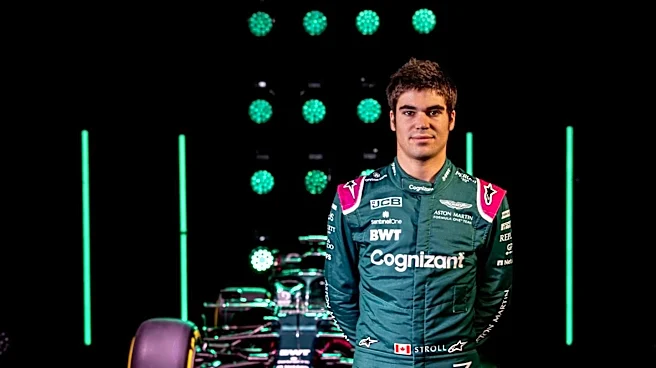
Lance Stroll, a driver for Aston Martin, is expecting a very difficult weekend at the Las Vegas Grand Prix. His concerns stem from the performance of the Honda engine in his car, which he believes will result in significant power deficits on the circuit's
long straights. Stroll estimates that the lack of power could cost him at least 1.5 to 2 seconds per lap, making the race particularly challenging for the team. This season has been difficult for Stroll, who has already failed to finish 13 races, putting him close to an unfortunate Formula 1 record for retirements in a single season. The Aston Martin team has acknowledged that their car is among the slowest on straights due to the Honda engine's power output compared to competitors. Honda has indicated that while some corrective measures were applied before the Brazilian Grand Prix, they were insufficient, and further reliability improvements have been introduced for the Las Vegas race. The manufacturer also plans significant battery improvements for 2027.
Why It's Important?
This situation highlights the critical role of engine performance in Formula 1, directly impacting a team's competitiveness and a driver's ability to perform. For Aston Martin, a consistent power deficit from their engine supplier, Honda, could hinder their standing in the Constructors' Championship and affect their drivers' individual results. The anticipated struggles in Las Vegas, a circuit with long straights, underscore how specific track characteristics can amplify existing technical disadvantages. For Honda, these performance issues could damage their reputation as an engine supplier in Formula 1, especially as they aim for future improvements. The ongoing reliability concerns, as evidenced by Stroll's numerous retirements, also raise questions about the immediate effectiveness of technical upgrades and the long-term development strategy for their power units. This scenario could influence future partnerships and engine development priorities within the sport.
What's Next?
For the immediate future, Aston Martin and Lance Stroll will attempt to maximize their performance at the Las Vegas Grand Prix despite the anticipated engine limitations. The team will likely focus on optimizing other aspects of the car's setup to compensate for the power deficit on straights. Honda has implemented additional reliability measures for this race, and their effectiveness will be closely monitored. Looking further ahead, Honda plans major battery improvements for 2027, which could significantly alter their competitive standing. The team will continue to introduce measures to improve reliability throughout the current season and next year, aiming to gather more mileage and data. Stroll remains motivated, believing in the team's future if they can resolve their current issues, suggesting a continued focus on development and problem-solving within Aston Martin and its partnership with Honda.
Beyond the Headlines
The challenges faced by Lance Stroll and Aston Martin extend beyond immediate race results, touching upon the intricate dynamics of manufacturer-team relationships in Formula 1. The public acknowledgment of engine deficiencies can create pressure on both the team and the engine supplier, potentially influencing future contractual negotiations and technical collaborations. The pursuit of performance in F1 often involves a delicate balance between raw power, reliability, and aerodynamic efficiency. When one component, like the engine, underperforms, it can force a re-evaluation of the entire car's design philosophy and development priorities. This situation also highlights the continuous technological arms race in F1, where even marginal gains or losses in engine power can have substantial competitive consequences, pushing manufacturers to constantly innovate and invest heavily in research and development for future seasons.