


What's Happening?
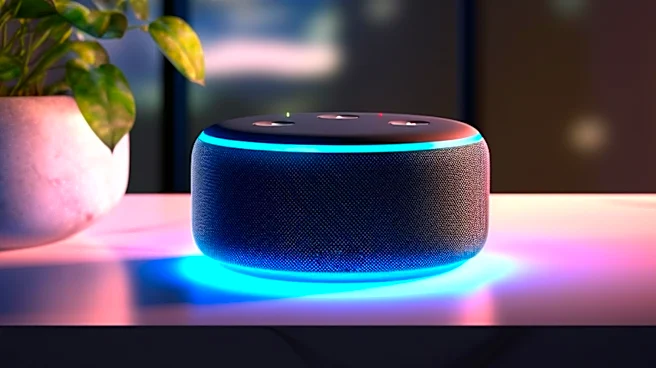
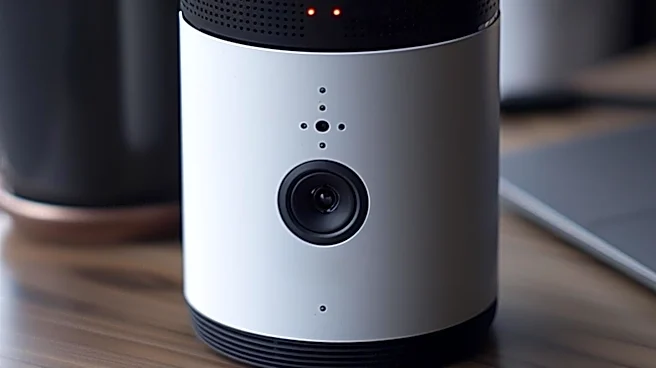
The Aeotec Smart Home Hub 2 (V4) is presented as a SmartThings-compatible hub designed to serve as a Zigbee coordinator, Thread border router, and Matter bridge. It can connect up to 150 devices via Wi-Fi or Ethernet. This hub is particularly noted for
being a fast and nearly seamless replacement for older Samsung SmartThings hubs, with users reporting that migrating dozens of Zigbee and Matter devices and routines takes only minutes and results in noticeably quicker performance. The device boasts broad compatibility with various smart home brands, including Philips Hue, IKEA, Aqara's Matter bridge, Shelly, ThirdReality, and generic Zigbee 3 devices. However, significant caveats include its lack of Z-Wave protocol support, meaning Z-Wave devices will not function with it, and its incompatibility with Apple HomeKit. While it integrates with Google Home and Alexa for voice control, some users have reported occasional reliability issues, such as devices going offline or the hub requiring daily restarts, and certain native drivers needing community forum additions.
Why It's Important?
The Aeotec Smart Home Hub 2's positioning as a direct upgrade for existing SmartThings users highlights the ongoing evolution and consolidation within the U.S. smart home market. Its focus on Zigbee, Thread, and Matter protocols signifies a move towards more unified and interoperable smart home standards, which could simplify device management for consumers. The reported speed improvements and ease of migration are crucial for user satisfaction and could encourage more SmartThings users to upgrade, thereby strengthening the ecosystem. However, the absence of Z-Wave and Apple HomeKit support creates a clear divide in the market. This forces consumers to make strategic choices based on their existing device ecosystems, potentially fragmenting the market further for those with mixed protocol setups. For manufacturers, this emphasizes the importance of supporting emerging standards like Matter while also acknowledging the continued relevance of older protocols like Z-Wave. The hub's limitations could also drive demand for multi-protocol hubs that offer broader compatibility, pushing innovation in device integration.
What's Next?
For current SmartThings users, the Aeotec Smart Home Hub 2 presents a clear upgrade path, provided their existing devices primarily use Zigbee, Thread, or Matter protocols and they do not rely on Z-Wave or Apple HomeKit. The market will likely see continued adoption among this specific user base due to the reported performance improvements and ease of transition. For Aeotec, addressing the reported reliability issues and potentially exploring future versions with broader protocol support, such as Z-Wave, could expand its market appeal. The smart home industry as a whole will continue to navigate the complexities of protocol fragmentation, with Matter aiming to bridge these gaps. Future developments may include other manufacturers releasing hubs that offer similar seamless upgrades for their respective ecosystems, or the emergence of more comprehensive universal hubs that support a wider array of protocols, including Z-Wave and HomeKit, to cater to a broader consumer base and reduce ecosystem lock-in.
Beyond the Headlines
The Aeotec Smart Home Hub 2's specific strengths and limitations underscore a broader challenge in the smart home industry: the tension between standardization and proprietary ecosystems. While Matter aims to create a unified language for smart devices, the continued existence of protocols like Z-Wave and the walled garden approach of Apple HomeKit mean that true universal compatibility remains elusive. This fragmentation can lead to consumer frustration, increased costs, and a steeper learning curve for setting up and managing smart homes. Ethically, it raises questions about consumer choice and the potential for vendor lock-in. The reliance on community forums for certain drivers also highlights the ongoing need for robust, out-of-the-box functionality and official support, rather than placing the burden on users. Culturally, the smart home's promise of effortless living is often hampered by these technical complexities, suggesting that while technology advances, the user experience still requires significant refinement to achieve true mainstream adoption and seamless integration into daily life.