
What's Happening?
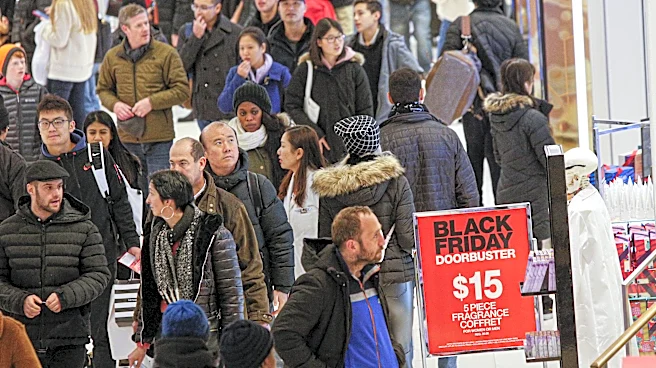
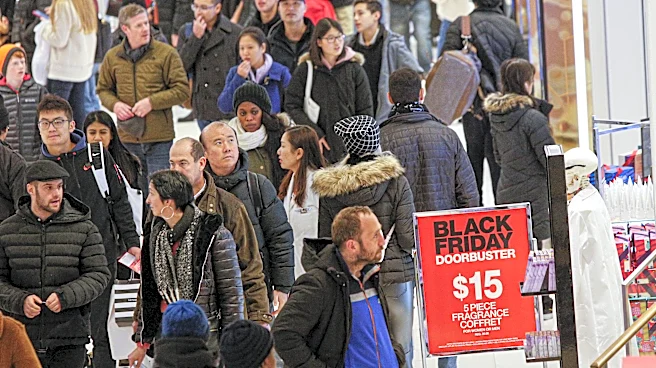
Black Friday 2026 sales have officially begun, with major retailers offering significant discounts across a wide range of products from top brands like Apple, Dyson, Ugg, Ring, Patagonia, and Hoka. The
event, which officially falls on Friday, November 27, has effectively transformed into 'Black November,' with many sales kicking off earlier in the month. Consumers can find some of the lowest prices of the year on popular items, including tech gadgets like Apple AirPods Pro 3, iPads, and smartwatches, as well as home appliances, kitchen essentials, beauty products, and clothing. For instance, Apple AirPods Pro 3 are available for $149 (originally $249), and the Dyson V9 Motorbar Cordless Vacuum is priced at $270 (originally $600). While Black Friday sales typically feature a mix of in-store and online discounts, the event largely merges with Cyber Monday, which is on November 30, creating a prolonged weekend of markdowns. Shoppers are advised that deals can vary between retailers and may not extend through the entire period, encouraging prompt purchases for desired items.
Why It's Important?
The commencement of Black Friday sales marks a critical period for both consumers and the retail industry in the U.S. For consumers, it represents a prime opportunity to purchase high-value items at reduced prices, enabling significant savings on holiday gifts and personal upgrades. This influx of discounted products can stimulate consumer spending, which is vital for economic activity. For retailers, Black Friday and the extended 'Black November' period are crucial for meeting annual sales targets and clearing inventory. The competitive nature of these sales drives innovation in pricing strategies and marketing efforts. The emphasis on tech and large appliances during this period highlights consumer priorities for significant investments, often deferred until these major sales events. The merging of Black Friday and Cyber Monday into a continuous sales period also reflects evolving shopping habits, with a strong lean towards online purchasing, further solidifying e-commerce as a dominant force in retail.
What's Next?
Black Friday sales are expected to continue through the holiday weekend and culminate on Cyber Monday, November 30. Consumers should anticipate new deals and potential flash sales as retailers adjust their offerings based on demand and remaining inventory. Shoppers are encouraged to compare prices across different retailers to ensure they are getting the best possible deals, as discounts can vary. While many items are heavily discounted, some categories like hotels and airfare may see better deals on Travel Tuesday (December 1), and luxury bedding often goes on sale in January. Retailers will be closely monitoring sales data from this extended period to inform future promotional strategies and inventory management. The success of these sales will provide key indicators for the overall health of the retail sector and consumer confidence heading into the end of the year.
Beyond the Headlines
The extended Black Friday sales period, now effectively 'Black November,' has broader implications beyond immediate purchasing decisions. It can influence consumer expectations for discounts throughout the year, potentially leading to a reluctance to pay full price for items outside of major sale events. This 'discount culture' can impact profit margins for retailers and necessitate more strategic planning for product launches and pricing. The intense competition among retailers during this period also drives innovation in logistics and customer service, as companies strive to offer faster shipping and seamless shopping experiences. Furthermore, the environmental impact of increased consumption and shipping during such a prolonged sales event is a growing concern, prompting discussions around sustainable shopping practices and packaging. The focus on deep discounts also raises questions about product quality and the potential for overconsumption, encouraging a more mindful approach to holiday shopping.