




What's Happening?
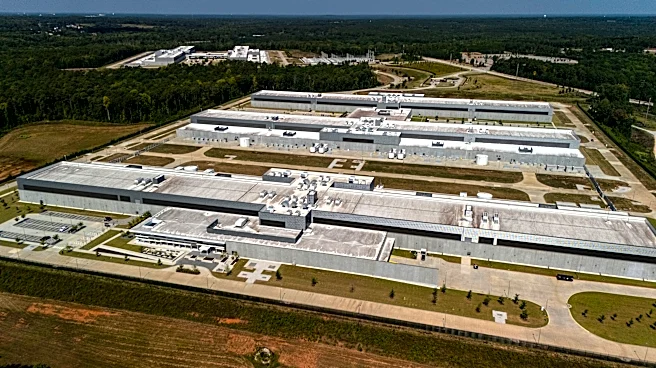
Crypto mining, a process that verifies cryptocurrency transactions and adds them to the blockchain, is characterized by its intensive power consumption and price-responsive nature. Miners utilize vast warehouses filled with specialized computers operating
continuously to solve complex mathematical problems, a race that rewards the first to find the correct solution with new cryptocurrency and transaction fees. The more miners involved, the more computational resources and electricity are required. These operations are considered a flexible load on the grid, meaning they can adjust their power consumption based on electricity prices. In ERCOT, the largest grid-connected crypto mines have a nameplate capacity of approximately 3 GW. However, their actual load fluctuates significantly, peaking at 2.2 GW last summer and declining to 1.5 GW by May 2026. This reduction in load is partly attributed to the declining market value of cryptocurrencies and the increasing economic appeal of transitioning these facilities to AI data centers.
Why It's Important?
The price-responsive nature of crypto mining operations has significant implications for U.S. power grids and energy markets. Unlike hyperscale data centers, which show minimal price response, crypto mines can curtail gigawatts of demand almost instantly. This flexibility can influence scarcity dynamics in energy markets. For instance, in ERCOT, curtailment often occurs during Four Coincident Peak (4CP) intervals, a pricing mechanism that incentivizes large consumers to reduce demand to lower their transmission charges. While these curtailments are not always directly linked to high real-time electricity prices, they demonstrate the ability of crypto mines to strategically reduce their load. This behavior can help stabilize the grid during peak demand periods and potentially mitigate price spikes, benefiting grid operators and consumers by reducing strain on the system. However, the unpredictable nature of these curtailments, driven by various external factors, poses a challenge for grid operators, traders, and planners in forecasting demand.
What's Next?
The future trajectory of crypto mining operations on U.S. power grids remains uncertain, influenced by both cryptocurrency market values and the growing demand for AI data centers. As the value of cryptocurrencies fluctuates, the economic viability of mining operations can shift, leading to changes in power consumption. Additionally, the established grid interconnections of crypto facilities make them attractive targets for AI companies seeking substantial and reliable power. This potential transition could lead to a further reduction in crypto load as facilities convert to AI data centers, impacting the overall energy demand profile. Grid operators and energy market participants will need to continue monitoring these evolving dynamics closely. Tools that provide real-time insights into crypto operations, such as those using field-based physical sensors, will become increasingly valuable for understanding and predicting their impact on the grid, especially in regions where granular operational data is not immediately available.
Beyond the Headlines
The dynamic interaction between crypto mining and the U.S. energy grid highlights broader themes of technological evolution and energy infrastructure adaptation. The ability of crypto mines to act as a flexible load introduces both opportunities and challenges. On one hand, their price responsiveness can be leveraged to enhance grid stability and potentially integrate more renewable energy sources by absorbing excess power during off-peak hours and curtailing during peak demand. On the other hand, the significant and fluctuating power demands of these operations, coupled with their potential conversion to AI data centers, underscore the need for robust energy planning and infrastructure development. This situation also raises questions about the long-term energy footprint of emerging technologies and the regulatory frameworks required to manage their impact on national energy security and sustainability goals. The ongoing evolution of these energy-intensive industries will necessitate continuous innovation in grid management and energy policy.