


What's Happening?
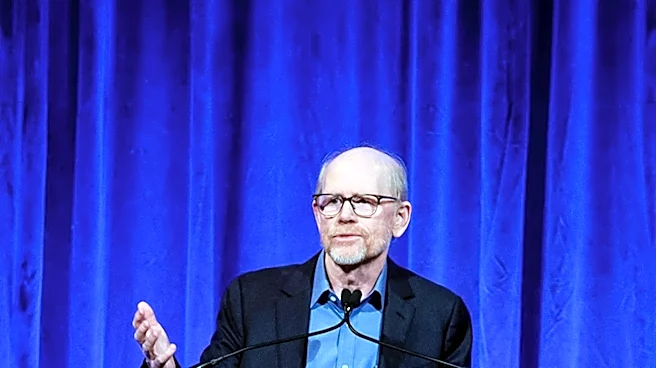
Director Ron Howard has openly discussed the complex and creatively divergent production of 'Solo: A Star Wars Story.' Howard took over the project after original directors Phil Lord and Chris Miller were dismissed due to creative differences with Lucasfilm.
Upon his arrival, Howard reviewed the existing footage and identified a fundamental clash between Lord and Miller's improvisational and humorous approach, reminiscent of their work on '22 Jump Street,' and Lucasfilm's desire for a more traditional 'Star Wars' film faithful to Lawrence and Jonathan Kasdan's script. This led to extensive reshoots, spanning five weeks, where scenes were entirely re-filmed, dialogues were altered, and intentions were redefined. The significant scope of his intervention ultimately resulted in Howard being credited as the sole director of the film. Despite the difficulties, Howard expressed no ill will towards Lord and Miller, acknowledging that some of their work deserved to be retained and expressing anticipation for their future projects.
Why It's Important?
This situation highlights the inherent tensions that can arise in large-scale film productions, particularly within established franchises like 'Star Wars,' where creative vision and studio expectations may diverge. The extensive reshoots and change in directorship on 'Solo: A Star Wars Story' underscore the significant financial and artistic risks involved when a project deviates from a studio's core vision. For the U.S. film industry, this event serves as a case study in managing creative control versus commercial viability, demonstrating how studios prioritize brand consistency and narrative adherence. It also impacts the careers of directors and actors, as seen with Alden Ehrenreich reportedly receiving acting coaching to align his portrayal of Han Solo with Lucasfilm's desired interpretation. The outcome affects audience perception and the critical reception of the film, influencing future creative decisions within major studios.
What's Next?
The experience of 'Solo: A Star Wars Story' is likely to influence how major studios, especially those managing large franchises, approach director selection and creative oversight in the future. There may be an increased emphasis on ensuring directorial vision aligns closely with studio expectations from the outset to avoid costly and time-consuming reshoots. For directors like Phil Lord and Chris Miller, this event could lead to a preference for projects where they have greater creative autonomy. Conversely, studios might implement more stringent contractual clauses or earlier intervention mechanisms to prevent similar creative impasses. The long-term impact on the 'Star Wars' franchise could involve a more conservative approach to spin-off films, focusing on established narrative tones and character interpretations to minimize creative conflicts and ensure consistent brand delivery to its dedicated fanbase.
Beyond the Headlines
The 'Solo' production saga delves into deeper questions about artistic integrity versus corporate control in Hollywood. It raises ethical considerations regarding the extent to which a studio can reshape a director's work, especially when significant portions are re-filmed under a new director. This incident also reflects a broader industry trend where intellectual property, particularly beloved franchises, often takes precedence over individual artistic expression. The pressure to deliver a product that aligns with pre-existing fan expectations and established lore can stifle innovative interpretations. Furthermore, the public nature of such production struggles can impact the reputation of all involved, influencing future collaborations and the perceived stability of major film projects. It underscores the delicate balance between creative freedom and the commercial demands of blockbuster filmmaking.