




What's Happening?
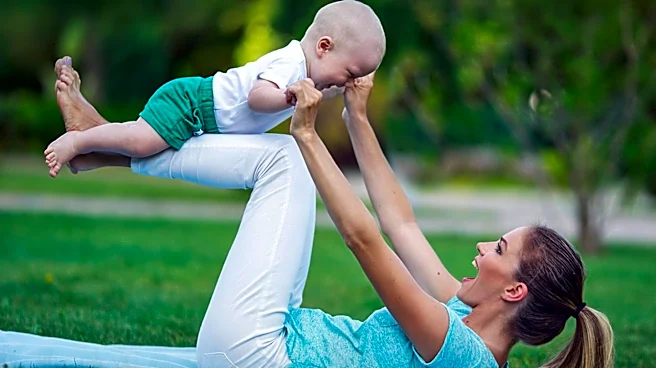
Postpartum fitness guidance is shifting away from the concept of 'getting your body back' to an identity-first approach that embraces the body's evolution after pregnancy. This new perspective, advocated by nutrition coaches and fitness experts, encourages
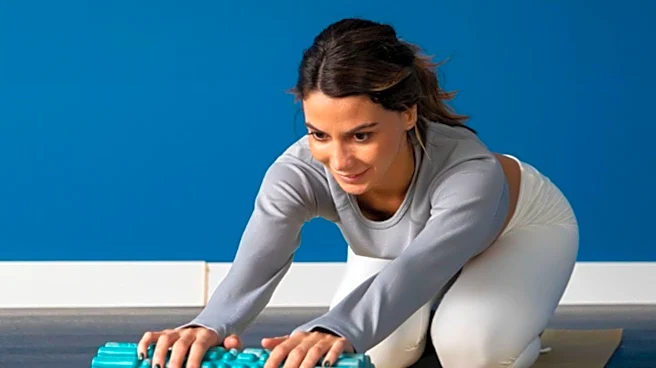
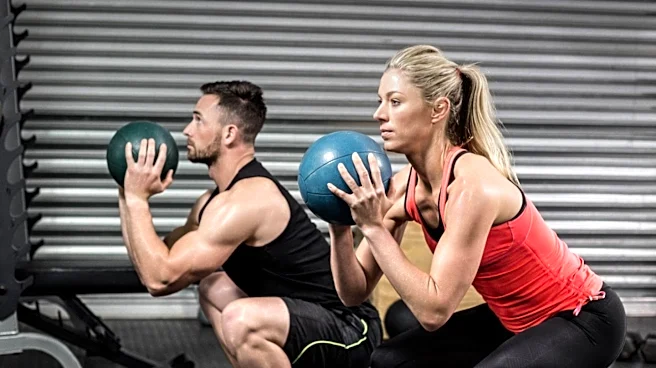
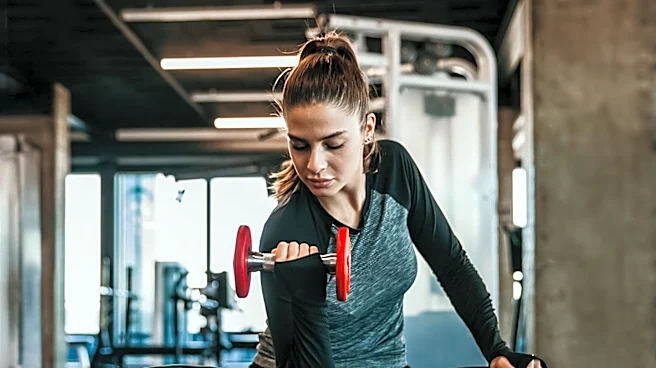
new mothers to focus on rebuilding strength, stability, and confidence through purposeful movement rather than fixating on pre-pregnancy aesthetics or performance metrics. Key components include prioritizing rest in the initial weeks, engaging in restorative work like core and pelvic floor exercises, and setting realistic, process-focused goals. The emphasis is on creating a new baseline and adapting fitness routines to the current stage of motherhood, recognizing that the body undergoes significant transformations that diet and exercise alone cannot fully reverse, such as changes in skin elasticity or breast volume.
Why It's Important?
This shift in postpartum fitness philosophy is important for several reasons. It challenges societal pressures on new mothers to quickly return to their pre-pregnancy bodies, which can lead to unrealistic expectations, burnout, and negative self-perception. By promoting an identity-first approach, it fosters a healthier mindset, encouraging self-compassion and celebrating the body's journey. This can significantly impact the mental and emotional well-being of postpartum individuals, reducing feelings of inadequacy and promoting sustainable health habits. Furthermore, the focus on core and pelvic floor rehabilitation addresses critical physical needs often overlooked, contributing to long-term health and preventing issues like diastasis recti and back pain. This approach also highlights the limitations of diet and exercise in addressing certain postpartum changes, guiding individuals toward appropriate medical or surgical options when necessary, and ensuring a more holistic recovery.
What's Next?
The trend towards an identity-first approach in postpartum fitness is likely to continue gaining traction, with more programs and resources emerging to support this philosophy. Expect to see an increased emphasis on specialized postpartum rebuild programs, pelvic floor physical therapy, and mental health support integrated into fitness routines. Coaches and healthcare providers will likely continue to educate new mothers on setting realistic goals, understanding the body's limitations, and celebrating progress in a way that aligns with their evolving identity as mothers. This may also lead to a greater acceptance and discussion of surgical options, such as 'mommy makeovers,' for changes that cannot be addressed through diet and exercise, ensuring that individuals make informed decisions about their postpartum recovery journey.
Beyond the Headlines
Beyond the immediate benefits of physical recovery, this evolving perspective on postpartum fitness has deeper implications for how society views motherhood and women's bodies. It challenges the often-unrealistic beauty standards imposed on women after childbirth, promoting a more inclusive and compassionate understanding of the postpartum experience. By reframing recovery as an 'evolution' rather than a 'return,' it empowers women to embrace their new bodies and identities with confidence. This cultural shift can contribute to a broader movement advocating for better maternal care, mental health support, and a more realistic portrayal of the postpartum journey in media and public discourse, ultimately fostering a more supportive environment for new mothers.