


What's Happening?
Homeowners are increasingly transforming underutilized guest bedrooms into dual-purpose spaces that function as both sleeping quarters and home offices. This trend addresses the inefficiency of rooms that sit empty for most of the year by integrating
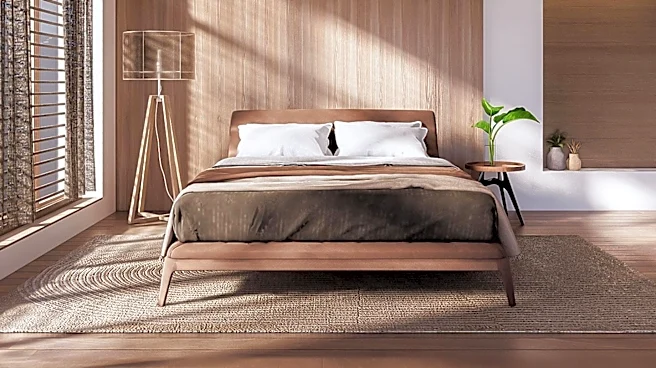
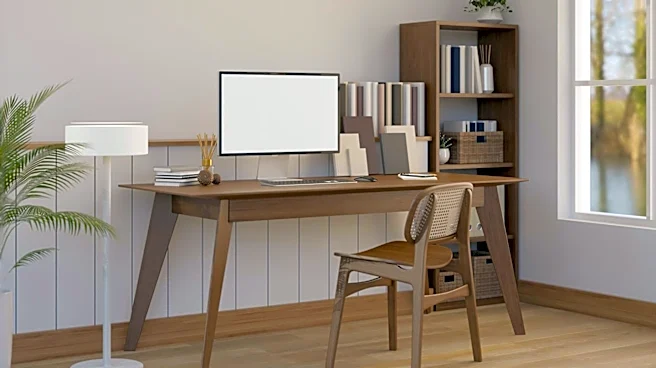
flexible furniture and design strategies. Key solutions include Murphy beds that fold into wall units, daybeds that serve as seating during the day, and fold-down desks built into closets. Other ideas involve using bookshelves or slim dividers to visually separate sleeping and working zones, creating dedicated reading corners, and incorporating slim-profile sofa beds. The focus is on choosing furniture that can easily transition between functions, along with thoughtful details like neutral bedding, blackout curtains for glare reduction, and effective cable management to maintain a tidy appearance.
Why It's Important?
This trend is significant for U.S. households as it optimizes living spaces, particularly in smaller homes where dedicated office rooms are not feasible. With the continued prevalence of remote work, maximizing the utility of every room becomes crucial for productivity and comfort. By creating flexible spaces, homeowners can avoid the need for costly renovations or moving to larger properties, making remote work more accessible and sustainable. This approach also enhances the overall functionality and value of a home, offering practical solutions for both daily work and occasional guest accommodation, thereby impacting lifestyle choices and real estate considerations for many Americans.
What's Next?
The market for multi-functional furniture and space-saving solutions is expected to grow as more individuals seek to adapt their homes for dual purposes. Furniture designers and retailers will likely introduce more innovative products tailored to these needs, such as integrated desk-bed units and modular storage systems. Homeowners will continue to explore creative ways to blend aesthetics with practicality, focusing on design elements that facilitate seamless transitions between different room functions. Interior design trends will increasingly emphasize versatility and efficiency, influencing how new homes are built and how existing spaces are renovated to support evolving work and living patterns.
Beyond the Headlines
The integration of home offices into guest bedrooms reflects a deeper cultural shift in how Americans perceive and utilize their living spaces. The traditional separation of work and home life is blurring, leading to a demand for environments that can fluidly accommodate both. This trend also highlights a growing consciousness about resource optimization and sustainable living, as homeowners seek to make the most of their existing square footage rather than expanding. Ethically, it encourages a more mindful approach to consumption, prioritizing adaptable and long-lasting furniture over single-purpose items. This evolution in home design signifies a broader adaptation to modern lifestyles, where flexibility and efficiency are paramount.