





What's Happening?
The first phase of One Thousand One, Philadelphia's largest-ever residential development, has been completed in the city's Hawthorne neighborhood. This initial phase of the three-phase mixed-use project includes 630 apartments, offering a range of floor
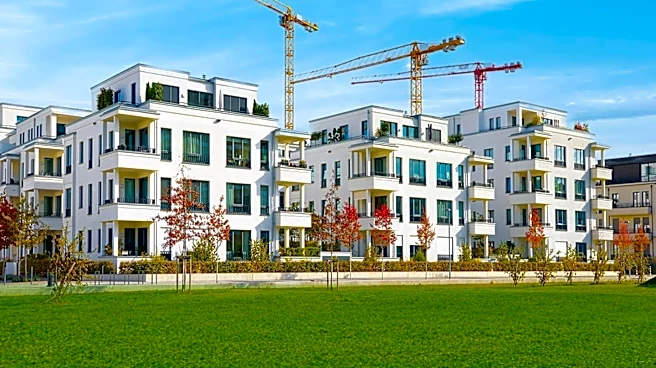
plans from standard units to Premier Collection homes and penthouses with upgraded finishes. Residents of this phase have access to over 67,000 square feet of indoor and outdoor amenities, including multiple pools, hanging gardens, dining areas, and spaces for exercise, wellness, work, and socialization. The development also features street-level retail, including a full-service grocery store, designed to serve both residents and the surrounding community. The project's design incorporates varied heights, materials like brick and terra cotta, and architectural detailing that references Philadelphia's industrial heritage.
Why It's Important?
The completion of One Thousand One's first phase marks a significant milestone for urban development in Philadelphia and the broader U.S. real estate market. As the city's largest residential project, it addresses the growing demand for housing and modern amenities in urban centers. The inclusion of extensive amenities and street-level retail aims to create a vibrant, self-contained community, potentially influencing urban planning and mixed-use development trends in other major U.S. cities. The project's scale and design, which includes one of the largest light-gauge steel buildings in the country, also showcase innovative construction techniques. This development could stimulate economic activity in the Hawthorne neighborhood, attracting new residents and businesses, and setting a precedent for future large-scale urban revitalization efforts.
What's Next?
The project will proceed with its second and third phases, which, upon completion, will bring the total number of rental units to over 1,400. The full 1.5 million square foot development is expected to further enhance the urban fabric of Philadelphia, serving as a gateway between the Avenue of the Arts cultural district and adjacent neighborhoods. The continued development will likely involve ongoing construction and the eventual leasing of additional residential and commercial spaces. The success of One Thousand One's integrated community model will be closely watched by developers and urban planners, potentially influencing future large-scale residential projects across the U.S. as cities continue to grow and evolve.
Beyond the Headlines
One Thousand One's design, which intentionally recalls Philadelphia's industrial heritage through its materials and architectural detailing, speaks to a broader trend in urban development: integrating historical context with modern living. This approach not only preserves a sense of place but also creates unique aesthetic appeal, differentiating it from generic new constructions. The emphasis on internal courtyards for 'quiet refuges' within a dense urban environment highlights a growing demand for green spaces and tranquility in city living. Furthermore, the project's sheer scale and its use of light-gauge steel construction could influence building codes and construction practices, pushing for more efficient and adaptable building methods in large-scale residential developments nationwide. This project could serve as a case study for balancing historical preservation, modern amenities, and sustainable construction in urban regeneration.