


What's Happening?
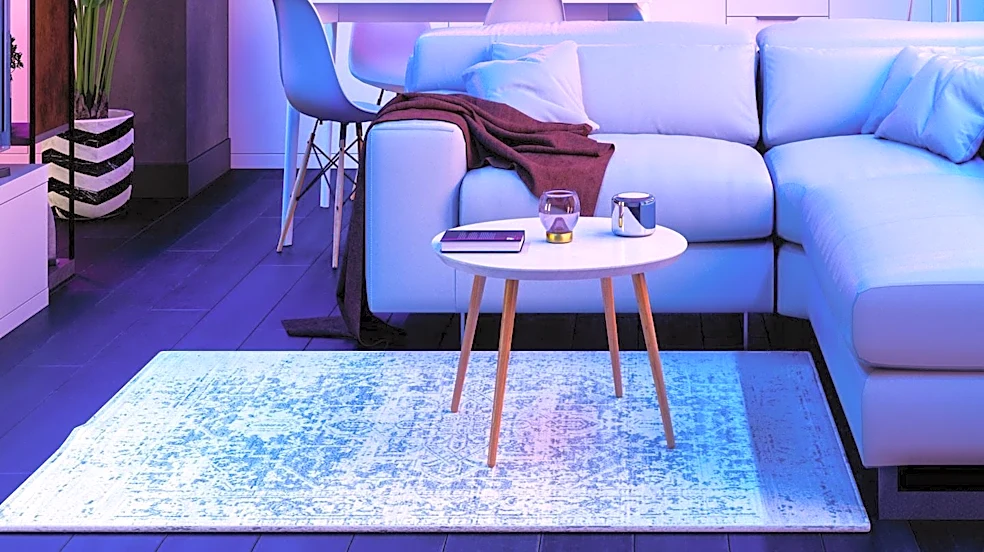
Mood lighting is increasingly being recognized as a transformative design tool for various environments, including homes, cars, and gaming setups. Modern ambient lighting systems, particularly those utilizing LED technology, offer extensive customization
options for color and intensity, often controllable via smartphone applications or remote controls. These systems are flexible, with many LED strips being cuttable and available with USB or mains power options. Key features include DIY designs, such as modular hexagonal LED wall panels that can be arranged in custom patterns, and music synchronization capabilities, allowing lights to react to audio. The market for vehicle ambient lighting, for instance, is projected to grow significantly, driven by advanced LED and OLED integration for dynamic color and pattern customization, and connectivity with infotainment and autonomous driving systems. This trend highlights a shift towards personalization and enhanced aesthetic appeal in both residential and automotive sectors.
Why It's Important?
The evolution of mood lighting holds significant importance across several sectors. In interior design, it allows for the creation of specific ambiances, enhancing user experience and comfort in living rooms, gaming areas, and even vehicles. For the automotive industry, ambient lighting is a crucial differentiator, particularly in high-end luxury vehicles where it elevates interior aesthetics and brand prestige. It also extends to mid-range and economy cars, offering cost-effective mood enhancement and basic functionality. The market's growth, projected at 9-11% CAGR from 2024 to 2030, indicates a strong consumer demand for personalized and technologically advanced lighting solutions. This trend benefits manufacturers of LED and OLED technologies, smart control systems, and automotive components, while also impacting consumer purchasing decisions influenced by visual appeal, energy efficiency, and seamless integration with existing electronics. The emphasis on customization caters to younger demographics who value tech-savvy features and mood-based settings.
What's Next?
The future of mood lighting is expected to see continued innovation and integration with smart technologies. Manufacturers will likely focus on developing more advanced LED and OLED solutions that offer even greater dynamic color and pattern customization. Increased connectivity with smart home ecosystems and vehicle infotainment systems will become standard, allowing for more seamless and intuitive control. The vehicle ambient lighting market, in particular, is anticipated to integrate further with autonomous driving features and smart sensors for adaptive color changes, enhancing both aesthetics and safety. Market entry strategies will likely involve partnerships between lighting manufacturers and automakers, as well as the development of cost-effective, robust lighting modules to expand into emerging markets. Potential disruptions could include the standardization of lighting features across all vehicle classes and the integration of adaptive lighting that responds to driving conditions, which might reduce differentiation between high-end and budget models.
Beyond the Headlines
Beyond its immediate applications, the widespread adoption of mood lighting reflects deeper societal shifts towards personalization and experiential design. The ability to instantly alter the atmosphere of a space, whether a room or a car interior, taps into psychological aspects of comfort, productivity, and emotional well-being. Ethically, the increasing sophistication of these systems raises questions about energy consumption, though many modern solutions emphasize energy efficiency through LED technology. Culturally, the trend signifies a growing desire for environments that are not just functional but also emotionally resonant and aesthetically pleasing. The integration of music sync features, for example, blurs the lines between lighting and entertainment, creating immersive experiences. This evolution suggests a future where our surroundings are not static but dynamic, responsive, and tailored to individual preferences, potentially influencing architectural design, urban planning, and even public spaces to incorporate more adaptive and mood-enhancing lighting solutions.