

What's Happening?
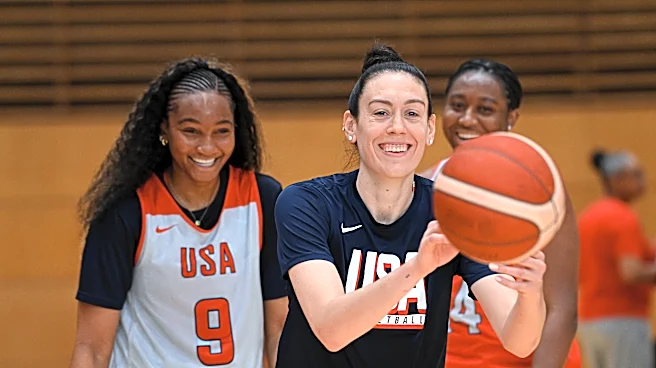
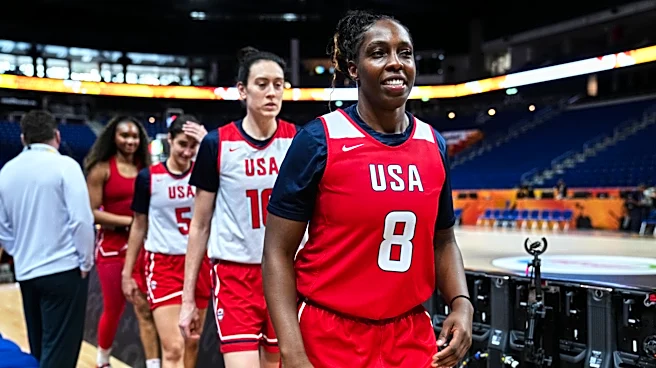
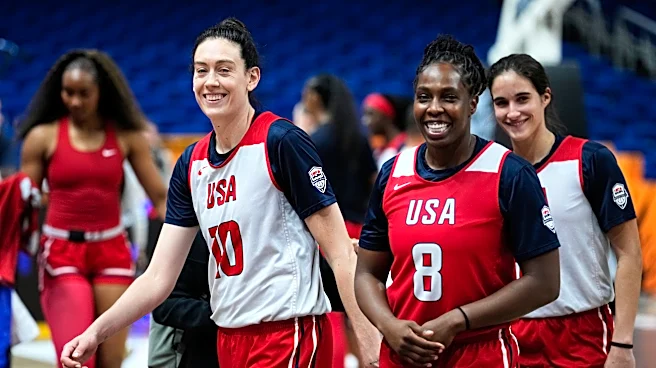
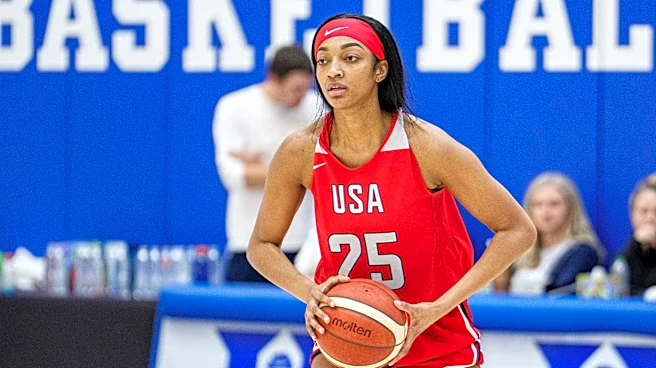
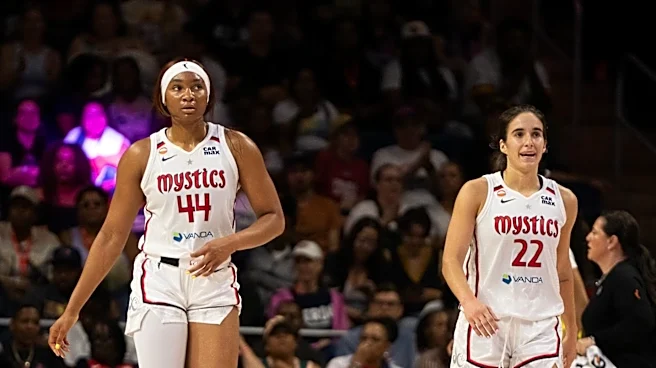
Sports commentator Jason Whitlock has publicly criticized members of Team USA, including Paige Bueckers and Angel Reese, for a dance video posted on TikTok. The video, which also featured Chelsea Gray, Kahleah Copper, Rhyne Howard, and Breanna Stewart,
showed the players engaging in dance moves. Whitlock expressed strong disapproval, stating that the players had 'disrespected the Team USA jersey.' He questioned their sportsmanship, dedication, and passion for representing the nation, suggesting that such actions do not embody leadership. This criticism has led to divided reactions among fans, with some agreeing with Whitlock's sentiment and others defending the players' right to enjoy themselves. The incident occurred ahead of Team USA's FIBA campaign, which was set to begin against China.
Why It's Important?
This incident highlights a recurring tension in sports culture regarding athlete conduct, particularly in the age of social media. Whitlock's comments reflect a perspective that views representing one's country as a solemn duty requiring a certain level of decorum, even off the field. This perspective often clashes with the modern athlete's desire for self-expression and connection with fans through platforms like TikTok. The debate underscores differing expectations placed on athletes, especially those representing national teams. For younger generations, social media is a natural extension of their lives, and engaging in 'fun dance TikToks' might be seen as harmless or even a way to build team camaraderie and connect with a broader audience. However, for traditionalists, such activities can be perceived as a lack of seriousness or respect for the institution they represent. This divide can impact public perception of athletes and national teams, potentially influencing fan engagement and sponsorship opportunities.
What's Next?
The immediate next step for Team USA was their FIBA campaign, which commenced with a game against China. The players involved in the TikTok video will likely continue to face scrutiny regarding their public image and conduct, especially if their performance in the tournament is closely tied to these off-court activities by critics. The broader conversation about athlete behavior on social media is expected to continue, with potential implications for how sports organizations manage their athletes' public personas. Teams and federations may need to re-evaluate their guidelines for social media use, balancing the need for professionalism and respect for national symbols with athletes' rights to personal expression. Fans will continue to voice their opinions, contributing to an ongoing dialogue about what constitutes appropriate behavior for national representatives in the digital age.
Beyond the Headlines
Beyond the immediate controversy, this event touches upon deeper cultural shifts in how public figures, particularly athletes, are expected to behave. The rise of social media has blurred the lines between public and private life, making athletes' personal expressions instantly accessible and subject to widespread commentary. This incident also reflects a generational gap in understanding and valuing different forms of communication and expression. What one generation views as frivolous or disrespectful, another might see as authentic and relatable. The debate also raises questions about the role of sports commentators like Whitlock in shaping public discourse around athlete conduct. Their pronouncements can significantly influence public opinion and contribute to the pressure athletes face. Ultimately, this situation underscores the evolving nature of sports professionalism and the challenges of maintaining traditional values in a rapidly changing media landscape.