






What's Happening?
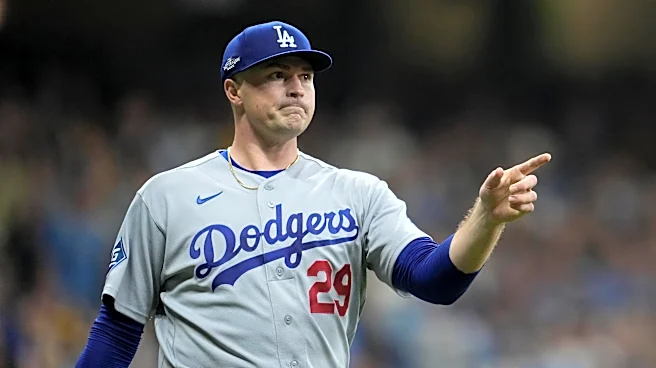
Los Angeles Dodgers manager Dave Roberts believes that Major League Baseball teams will increasingly prioritize athleticism in their roster construction, a shift influenced by the Milwaukee Brewers' recent World Series win. Speaking on ESPN’s Baseball Tonight
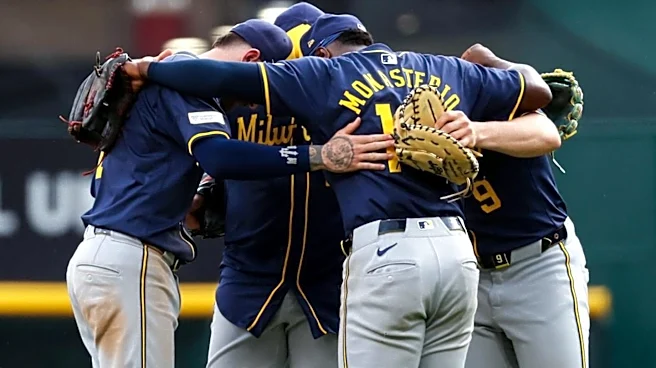
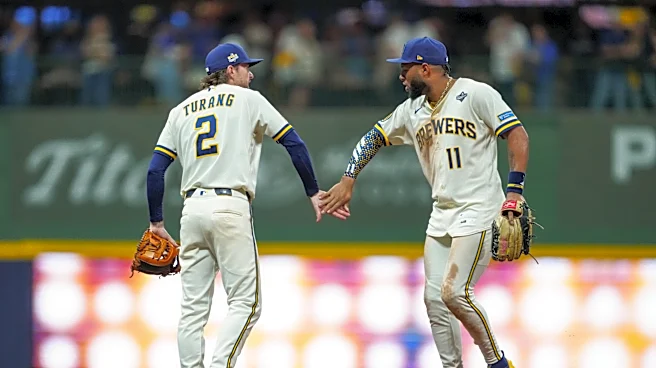
Podcast, Roberts stated, “I think you’re going to see teams really trying to get more athletic.” The Brewers triumphed over the Tampa Bay Rays in the 2026 Fall Classic and swept Roberts' Dodgers 4-0 in the National League Championship Series. This victory highlighted Milwaukee's playing style, which emphasized defensive versatility, speed, and consistent contact hitting over solely relying on power. Roberts noted that the Brewers' approach challenged even the most talented opponents, providing a practical example of how these qualities can lead to success. The Dodgers, with an average batting age of 30.9 years in 2026, the highest in MLB, now face questions regarding their own roster balance between veteran experience and youthful athleticism.
Why It's Important?
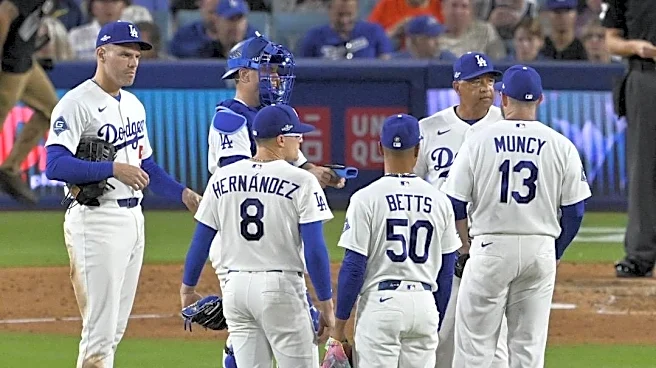
This assessment from a prominent MLB manager like Dave Roberts signals a potential strategic shift across the league, impacting how teams scout, draft, and sign players. For the Dodgers, in particular, Roberts' comments underscore a critical internal challenge. Despite having an expensive and talented roster that won 100 regular-season games in 2026, their postseason exit against the Brewers exposed potential vulnerabilities related to age and athleticism. Key players such as Mookie Betts, Freddie Freeman, Max Muncy, and Shohei Ohtani are all over 30, raising questions about defensive mobility, baserunning, and sustained production over a demanding season. If the league indeed moves towards prioritizing athleticism, teams with older rosters, like the Dodgers, may need to re-evaluate their composition to remain competitive, potentially leading to significant roster changes and a greater emphasis on player development for younger, more agile talent.
What's Next?
The Dodgers' front office will likely face crucial decisions regarding their roster in the upcoming offseason. While they are unlikely to abandon their power-oriented approach entirely or cut ties with established veterans, there will be pressure to integrate more athleticism into the team. This could involve promoting promising young prospects from their farm system, such as Josue De Paula, Eduardo Quintero, and Mike Sirota, who offer potential options for increased speed and defensive range. The challenge for the Dodgers will be to seamlessly transition these younger players into the major league roster without disrupting the team's current success and veteran core. The Brewers' World Series victory has provided a compelling case study that other MLB teams, including the Dodgers, will undoubtedly analyze as they plan for future seasons, potentially leading to a league-wide trend of valuing contact, defense, and baserunning more highly.
Beyond the Headlines
The Brewers' success and Roberts' subsequent comments highlight a broader philosophical debate within baseball: the optimal balance between power hitting and a more athletic, contact-oriented style of play. For years, MLB has seen a trend towards 'three true outcomes' (home runs, walks, strikeouts), often at the expense of putting the ball in play. The Brewers' championship, achieved with a younger, more athletic roster, suggests a potential counter-movement. This could lead to a re-evaluation of player development strategies, with a renewed focus on fundamental skills like defensive versatility, baserunning, and contact hitting. The long-term implication could be a more dynamic and strategically diverse game, moving away from a singular reliance on home run power and potentially increasing fan engagement through more action on the basepaths and in the field. This shift could also influence scouting and analytics, with new metrics emerging to quantify and value athleticism more effectively.