


What's Happening?
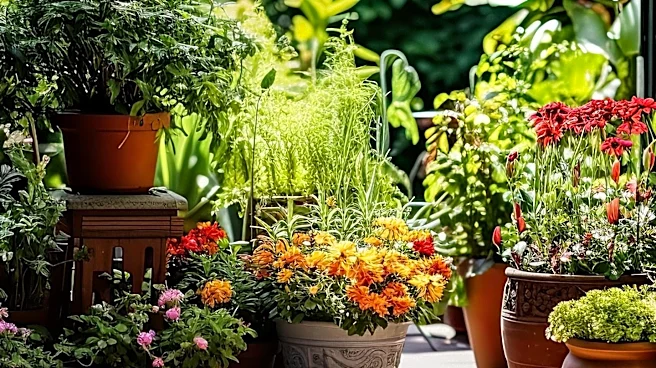
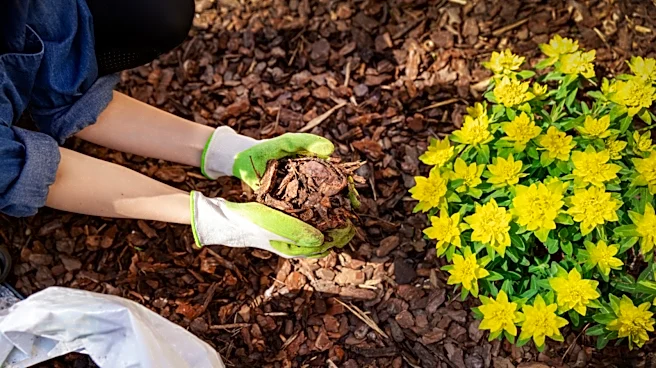
Container gardening is gaining popularity for its flexibility and ability to mimic raised garden beds, allowing individuals to cultivate plants in various settings, including small spaces like balconies or patios. A key aspect of successful container
gardening, particularly for plants like tulips, is ensuring proper drainage. Tulips, for instance, require consistent moisture during growth but are susceptible to rot if their 'feet' remain wet. This necessitates the use of pots with adequate drainage holes and a high-quality, lightweight potting mix. Garden soil is generally unsuitable for containers as it can be too heavy and may harbor pests or diseases. Potting mixes are designed to facilitate air and water movement, promoting healthy root development. Additionally, container gardening offers protection from garden pests such as squirrels, chipmunks, and voles, which often consume newly planted bulbs. Physical barriers like decorative stones or chicken wire can be used to deter these animals, and pots can be placed in elevated locations.
Why It's Important?
The emphasis on proper drainage and specialized potting mix in container gardening is crucial for the health and longevity of plants, particularly in urban or limited-space environments. By controlling the growing medium, gardeners can prevent common issues like root rot and pest infestations that are often associated with traditional garden soil. This approach democratizes gardening, making it accessible to individuals without access to large plots of land, thereby promoting green spaces and plant cultivation in diverse settings. The ability to move containers also provides flexibility, allowing gardeners to optimize sunlight exposure and protect plants from harsh weather or pests. This method supports sustainable practices by enabling focused nutrient delivery and water management, potentially reducing overall resource consumption compared to large-scale ground planting. Furthermore, the protection offered against pests can lead to higher yields and healthier plants, reducing the need for chemical deterrents.
What's Next?
Gardeners are encouraged to check pots for drainage holes before planting and to match the pot size to the number of bulbs or plants intended. Selecting appropriate plant varieties, such as shorter tulips for windy areas or taller ones for high-impact displays, is also recommended. For continuous blooms, the 'lasagna' method, which involves layering different types of bulbs at varying depths, can be employed. This technique allows for successive flowering throughout the season from a single container. The chilling period, or vernalization, is critical for tulips, requiring 12 to 16 weeks of temperatures between 35°F and 45°F to stimulate blooming. In warmer climates, pre-chilled bulbs or refrigeration may be necessary. During winter, pots should be placed in sheltered, unheated locations to protect bulbs from extreme cold while still allowing for the necessary chilling. Once green shoots appear in spring, moving pots to a sunny location and providing consistent, light watering will be essential for robust growth.
Beyond the Headlines
The growing trend of container gardening reflects a broader societal shift towards maximizing small spaces and fostering a connection with nature in increasingly urbanized environments. This method not only provides aesthetic benefits but also contributes to mental well-being through horticultural engagement. The detailed guidance on soil composition and drainage highlights a deeper understanding of plant physiology and environmental control, moving beyond traditional gardening assumptions. The practice of treating potted tulips as annuals or relocating them to garden beds after blooming underscores a pragmatic approach to plant life cycles and resource management. This adaptability in gardening practices can lead to innovative solutions for food production and biodiversity in constrained areas, potentially influencing urban planning and community green initiatives. The emphasis on pest protection without chemical intervention also aligns with growing ecological awareness and sustainable living principles.