


What's Happening?
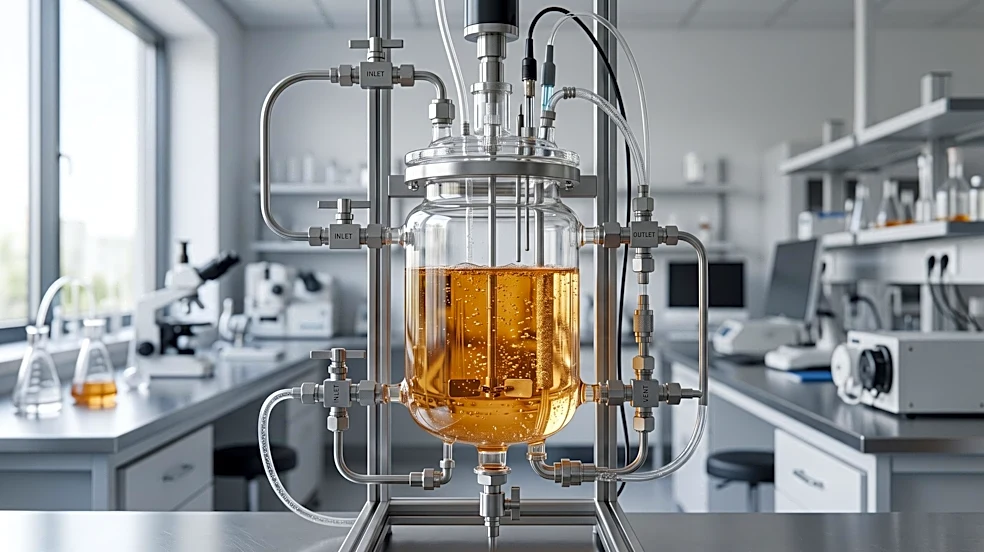
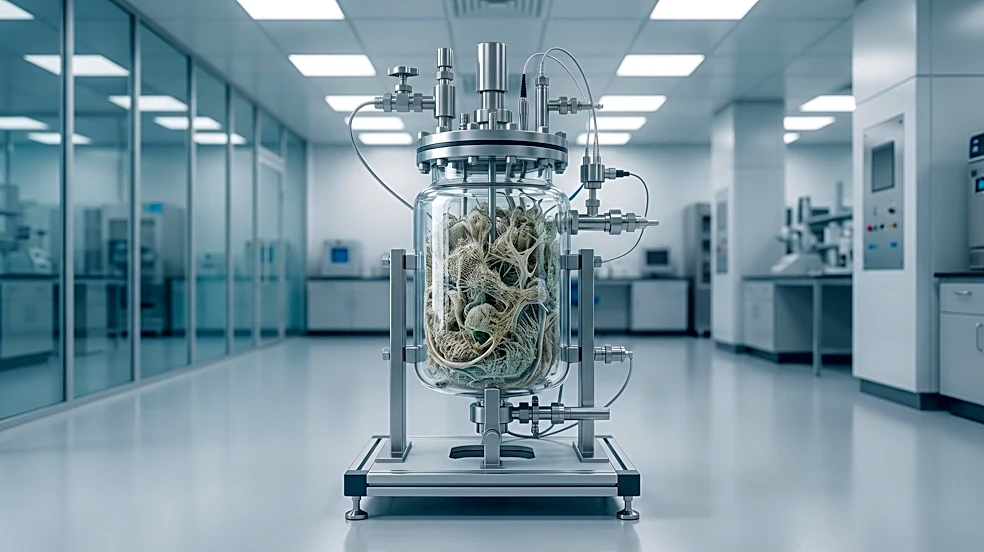
Ever After Foods (EAF) and Roslin Technologies have reported substantial progress in their joint cultivated meat production program. By integrating Roslin Technologies’ advanced cell platform with Ever After Foods’ proprietary Edible Packed Bed (EPB™)
technology, the companies have achieved significant gains in protein and biomass productivity. This breakthrough involves producing structured tissue directly within a scalable and food-grade process. According to Eyal Rosenthal, CEO of Ever After Foods, the improvement goes beyond merely increasing cell density, as the cells produced substantially more protein and biomass on a per-cell basis. The EAF platform reached cell density above 150 million cells/ml and volumetric productivities of 326gr/L wet biomass, 57gr/L dry biomass, and 40gr/L cultivated protein. These results demonstrate a 19-fold increase in dry biomass and cultivated protein productivity, and an 11-fold increase in wet biomass productivity compared to standard stirred-tank suspension methods. This was achieved while using an edible plant-based scaffold that constitutes less than 2% of the final product by weight.
Why It's Important?
This development is crucial for the cultivated meat industry, which has long faced challenges in scaling production efficiently and cost-effectively. The ability to produce structured tissue directly and achieve higher protein and biomass yields per cell addresses a major hurdle in commercializing cultivated meat. Ernst van Orsouw, CEO of Roslin Technologies, highlighted that the collaboration demonstrates how complementary technologies can be integrated to tackle key scale-up challenges. For U.S. consumers and the food industry, this could mean a faster path to more affordable and widely available cultivated meat products. Increased productivity can drive down production costs, making cultivated meat a more competitive alternative to traditional animal agriculture. This advancement also supports the broader goal of creating a more resilient and sustainable food system, reducing reliance on conventional livestock farming and its associated environmental impacts.
What's Next?
Ever After Foods and Roslin Technologies are continuing their development and scale-up work to further advance their combined cell and tissue-production platform. This ongoing effort aims to refine the integrated production approach, moving from cell expansion to structured tissue production and manufacturing scale-up. The companies anticipate that these advancements will pave the way for more efficient and widespread commercial production of cultivated meat. Future steps will likely involve optimizing the technology for larger-scale bioreactors and further reducing production costs to make cultivated meat a viable option for mainstream markets. The success of these efforts could lead to increased investment in the cultivated meat sector and accelerate regulatory approvals for new products in the U.S. and globally.
Beyond the Headlines
The implications of this technological leap extend beyond mere production efficiency. The focus on producing structured tissue directly, rather than just increasing cell density, signifies a shift towards creating cultivated meat products that more closely mimic the texture and eating experience of conventional meat. This could significantly enhance consumer acceptance, which has been a critical factor in the adoption of alternative proteins. Ethically, this advancement supports the reduction of animal slaughter and the environmental footprint of meat production. Legally, as these technologies mature, there will be ongoing discussions and developments in regulatory frameworks for cultivated meat, particularly concerning labeling and safety standards. Culturally, the increasing availability of high-quality cultivated meat could gradually reshape dietary habits and perceptions of food, contributing to a more sustainable and ethical food future.