


What's Happening?
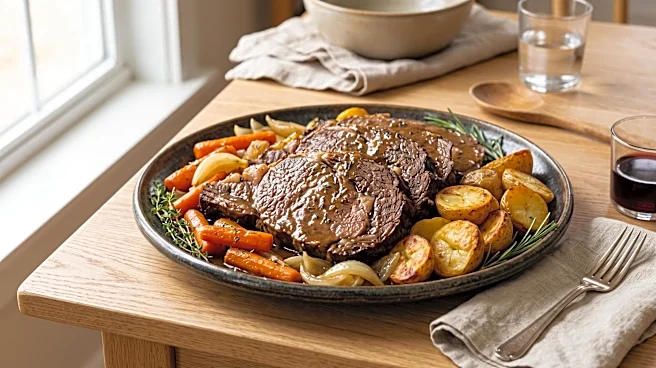
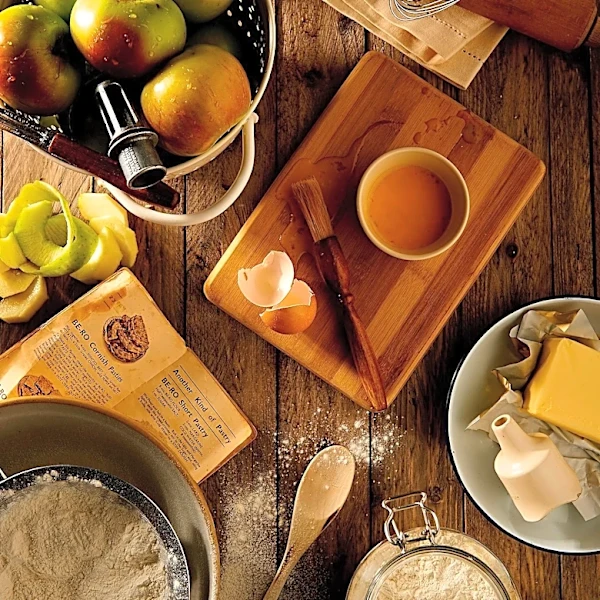
A growing trend of creating copycat recipes from popular restaurants, including Cracker Barrel, is allowing consumers to replicate favorite dishes at home. This movement focuses on comfort food, particularly those suitable for colder weather, and often
utilizes slow cookers or air fryers for ease of preparation. Examples of Cracker Barrel copycat recipes include their famous Chicken and Dumplings, Meatloaf, Broccoli Cheddar Chicken, Coca-Cola Cake, and Cinnamon Roll Pie. Other popular restaurant recipes being replicated at home include Olive Garden's soups and pasta, Panera's Broccoli Cheddar Soup, Arby's Beef 'n Cheddar, Chick-fil-A's Chicken Sandwich, and various items from Chipotle, Taco Bell, Outback Steakhouse, and Starbucks. These recipes aim to provide the taste of restaurant favorites without the need to dine out.
Why It's Important?
This trend is significant as it reflects evolving consumer behaviors and preferences in the food industry. It highlights a desire for both convenience and cost-effectiveness, allowing individuals to enjoy restaurant-quality meals in the comfort of their homes, bypassing the expenses and time associated with dining out. For restaurants, this trend could present both challenges and opportunities. While it might reduce some dine-in traffic, it also indicates a strong consumer affinity for their menu items, which could be leveraged through official recipe releases, branded food products, or marketing campaigns that emphasize the unique experience of dining at their establishments. The popularity of these copycat recipes also underscores the cultural impact and brand recognition of these restaurant chains.
What's Next?
The popularity of copycat recipes is likely to continue, driven by online recipe communities, food blogs, and social media platforms. We may see more home cooks experimenting with and sharing their versions of restaurant dishes. Restaurants might respond by either embracing this trend, perhaps by offering official recipe kits or ingredients, or by focusing on enhancing the in-restaurant dining experience to differentiate it from home-cooked versions. The food media landscape will likely continue to feature and promote these types of recipes, further fueling their demand. Additionally, kitchen appliance manufacturers may see increased interest in devices like slow cookers and air fryers that facilitate the preparation of these comfort foods.
Beyond the Headlines
Beyond the immediate culinary aspect, the rise of copycat recipes touches upon broader themes of consumer empowerment and the democratization of culinary knowledge. It reflects a shift where consumers are less reliant on commercial establishments for specific food experiences and are actively seeking to recreate them. This trend also speaks to the emotional connection people have with certain foods and brands, where the desire to replicate a dish goes beyond mere taste and extends to nostalgia or comfort. It also highlights the influence of digital platforms in shaping food culture, enabling the rapid sharing and dissemination of recipes and cooking techniques, thereby blurring the lines between professional and amateur cooking.