



What's Happening?
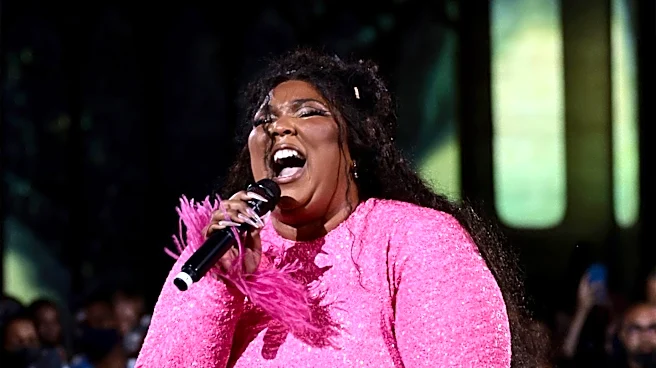
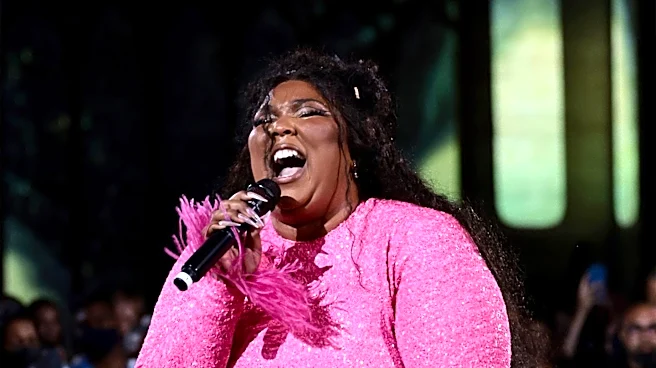
Lizzo, the acclaimed singer, recently disclosed on the Angie Martinez IRL podcast that she experienced a 'full-blown' panic attack in the aftermath of the 2023 workplace harassment lawsuits filed against her. She described the incident as occurring while
driving at sunset, leading to chills, numb fingers, and nearly losing control of her vehicle before veering off the freeway. Medical professionals later confirmed it was a panic attack, attributing it to 'trauma trapped in the base of your spine.' Lizzo explained that the trauma was triggered by the public reception of the lawsuits, which she perceived as a direct attack on her character and everything she represents. The lawsuits were filed by former dancers Arianna Davis, Crystal Williams, and Noelle Rodriguez, with a separate suit from wardrobe stylist Asha Daniels being dismissed last month. Despite the mental health challenges, Lizzo has expressed her determination not to settle the lawsuits, anticipating that the truth will emerge.
Why It's Important?
This revelation highlights the significant mental health toll that public legal battles and widespread scrutiny can inflict on individuals, particularly those in the entertainment industry. Lizzo's experience underscores the intense pressure and emotional distress that can accompany accusations, regardless of their veracity, and how public perception can exacerbate personal suffering. For the entertainment industry, this sheds light on the need for robust support systems for artists facing such challenges. It also brings to the forefront discussions about the impact of social media and public opinion on legal proceedings and personal well-being. The decision not to settle the lawsuits indicates a commitment to defending her reputation, which could set a precedent for how public figures handle similar situations, potentially influencing future legal strategies and public relations approaches within the industry.
What's Next?
Lizzo's legal battles are expected to continue, as she has publicly stated her intention not to settle and her anticipation for the truth to come out. This suggests that the lawsuits will proceed through the court system, potentially involving further legal proceedings, testimonies, and public disclosures. Her continued openness about her mental health struggles may also encourage broader conversations within the entertainment industry about artist well-being and the psychological impact of public accusations. Depending on the outcomes of these legal challenges, there could be significant implications for Lizzo's career, public image, and the broader discourse surrounding workplace conduct and accountability in the entertainment sector. The ongoing legal process will likely keep the issue in the public eye, influencing how both fans and critics perceive the artist and the allegations.
Beyond the Headlines
Lizzo's candid discussion about her panic attack and the underlying trauma touches upon deeper societal issues concerning mental health stigma and the intense scrutiny faced by public figures. Her experience illustrates how the 'fiber of being' can be attacked through public accusations, leading to profound psychological distress. This situation also raises questions about the responsibility of the public and media in shaping narratives around legal disputes, and the potential for 'trial by public opinion' to inflict harm beyond legal judgments. Furthermore, her decision to fight the lawsuits rather than settle could be seen as a stand against what she perceives as unjust attacks, potentially inspiring others in similar positions to prioritize their truth and well-being over expediency. This narrative contributes to a growing awareness of the human cost of celebrity and the importance of mental health advocacy in high-pressure environments.