







What's Happening?
Taiwan's economy is experiencing significant growth in 2026, with the IMF revising its growth forecast to 10.7% by October, and local institutions projecting even higher figures, potentially reaching 12.16%. This performance places Taiwan at the top of
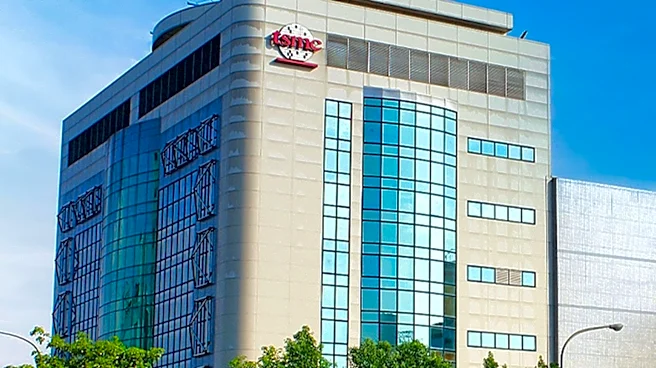
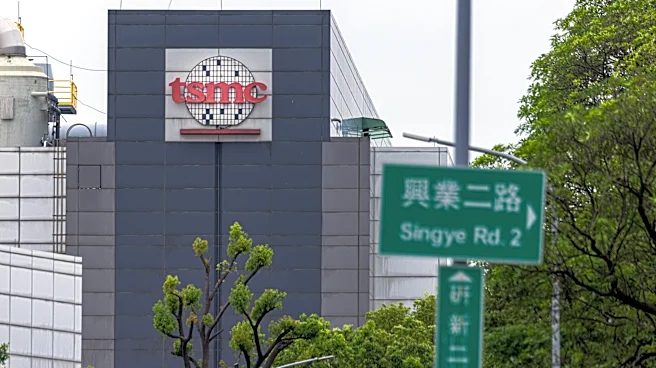
the Asia-Pacific league table. The island's economic boom is largely attributed to its central role in the global AI build-out, with its foundries, server assemblers, and toolmakers being trusted partners for Western technology groups. In contrast, China's economy is facing challenges, with the IMF forecasting a modest 4.5% growth for the year, falling to 4% in 2027. China's domestic economy is struggling, marked by shrinking household loans, low retail sales growth, and significant declines in real estate and private investment. Consumer confidence in China has fallen, and households are prioritizing debt repayment over spending. This economic divergence highlights Taiwan's success in leveraging global technology trends while China grapples with internal economic issues and policy choices.
Why It's Important?
This economic disparity between Taiwan and China has significant implications for U.S. industries, politics, and foreign policy. Taiwan's dominance in critical AI components and semiconductor manufacturing makes it an indispensable partner for U.S. tech companies, reinforcing the strategic importance of maintaining stability in the Taiwan Strait. The U.S. private sector's trust in Taiwan's technological capabilities, despite diplomatic complexities, underscores the island's crucial role in global supply chains. For the U.S., Taiwan's economic strength in AI also means that any disruption to Taiwan's industry could have ripple effects on American technological advancement and economic stability. Conversely, China's economic slowdown, particularly in domestic consumption and private investment, could impact U.S. businesses that rely on the Chinese market. The situation also presents a geopolitical challenge, as China's economic struggles might lead to increased assertiveness, potentially affecting regional stability and U.S. interests in the Indo-Pacific.
What's Next?
The current economic trends suggest that Taiwan will continue to be a critical player in the global technology landscape, particularly in AI. However, Taiwan's economy is heavily reliant on this single sector, making it vulnerable if the AI spending spree cools. For China, the leadership will likely face continued pressure to implement domestic reforms to strengthen consumption and address the property market issues. The U.S. Congress is expected to maintain a firm stance on China, particularly regarding AI, Taiwan, and export controls, with bipartisan support for strategic competition. This could lead to further restrictions on technology exports to China and increased scrutiny of U.S. outbound investment into sensitive technologies. The U.S. will likely continue to balance its economic interests with its strategic objectives in the region, potentially seeking to strengthen alliances with partners like Taiwan while managing its complex relationship with China.
Beyond the Headlines
The economic success of Taiwan, a democratic and rule-abiding country, in contrast to China's struggles, challenges Beijing's long-standing narrative that Taiwan's prosperity depends on the mainland's goodwill. This development could embolden democratic movements in the region and globally, demonstrating the economic viability of open, market-oriented systems. The 'AI rush' is also pushing up the cost of components, impacting ordinary consumer electronics and contributing to cost-of-living concerns, even in booming economies like Taiwan. This highlights the broader societal implications of rapid technological advancement and the need for policies that ensure equitable distribution of economic benefits. The situation also underscores the ethical and legal dimensions of global supply chains, particularly concerning intellectual property and national security, as Western technology groups entrust their most sensitive designs and capital to Taiwanese manufacturers. The long-term shift in economic power dynamics in East Asia could trigger significant geopolitical realignments and redefine international trade relationships.