



What's Happening?
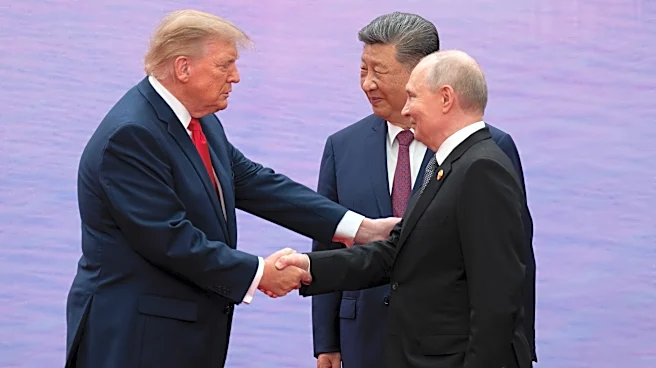
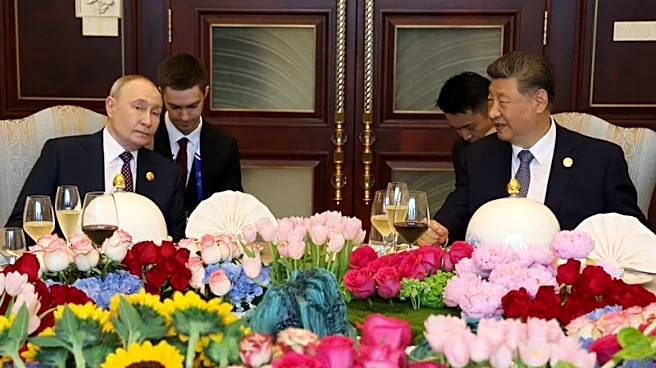
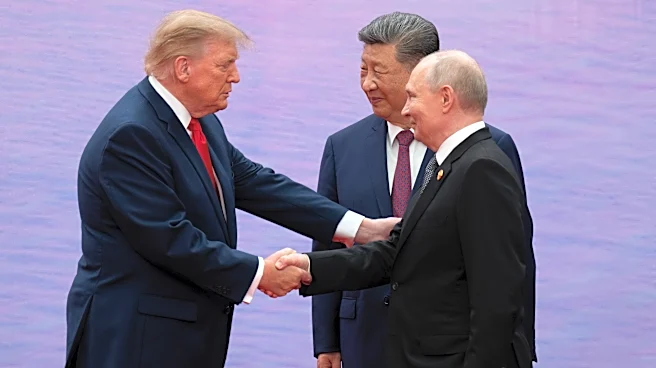
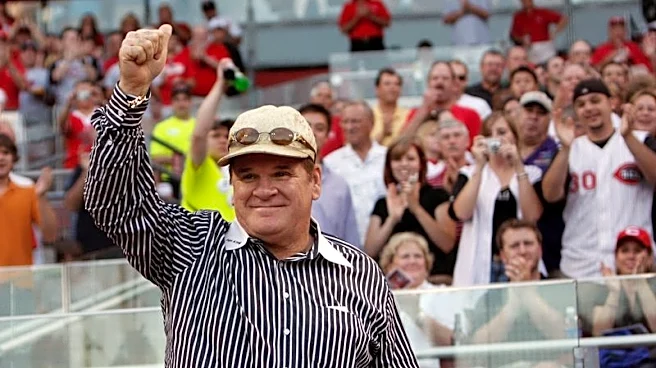
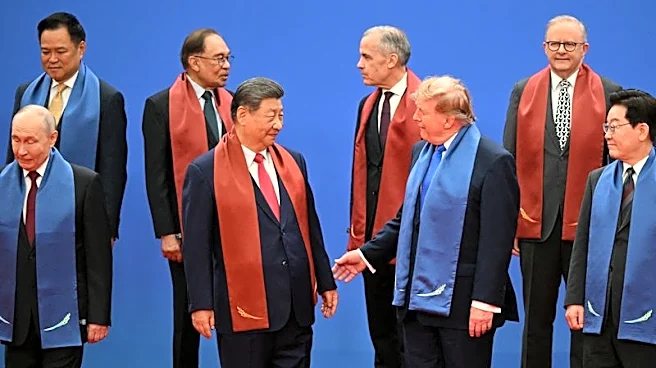
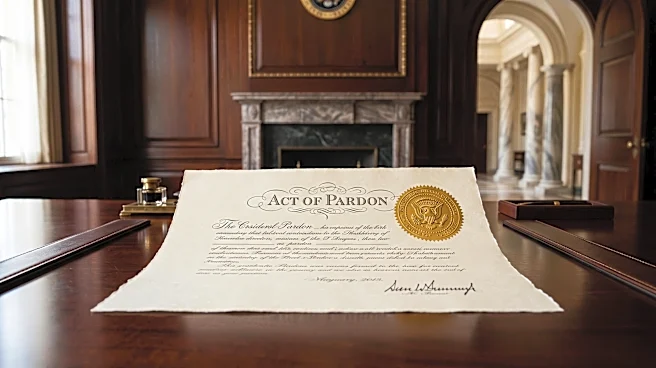
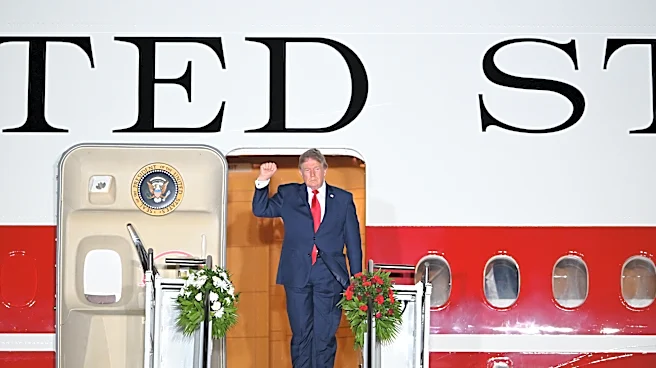
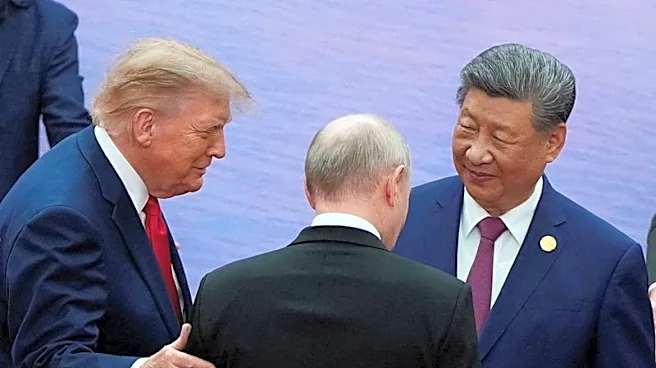
President Trump announced a "complete and total pardon" for the late baseball legend Pete Rose. The announcement was made on President Trump's social media platform as he returned from a trip to Asia, which included a trilateral meeting with leaders from China
and Russia. Pete Rose, who passed away in 2024, holds the Major League Baseball record for most career hits. He was sentenced to five months in prison after being convicted of tax charges in 1990 and was permanently banned from baseball in 1989 due to an investigation into his betting on baseball games while managing the Cincinnati Reds. Last year, Rose and 16 other former players were removed from baseball’s permanent list of banned players, making him eligible for posthumous induction into the Baseball Hall of Fame. President Trump's pardon follows his previous statements advocating for Rose's pardon and reconsideration for the Hall of Fame.
Why It's Important?
This pardon carries significant symbolic weight within the sports community, particularly for baseball fans and those who have long debated Rose's legacy. While Rose was already eligible for Hall of Fame consideration posthumously, a presidential pardon adds a layer of official exoneration regarding his past legal issues. This action could reignite discussions about the criteria for Hall of Fame induction and the role of past transgressions in evaluating athletic careers. It also highlights the President's willingness to intervene in cases with strong public sentiment, potentially setting a precedent for future presidential pardons related to sports figures. The pardon may also be seen as a political move, appealing to a segment of the population that believes Rose was unfairly treated by Major League Baseball.
What's Next?
Pete Rose is expected to be on the ballot next year for the Baseball Hall of Fame’s Classic Era Committee, which considers players who were active before 1980 but were not elected to the Hall. The presidential pardon could influence the committee's decision, potentially bolstering support for his induction. However, the pardon does not automatically guarantee his entry into the Hall of Fame, as the committee will still evaluate his overall career and conduct. The decision may also spark further debate within Major League Baseball and among sports analysts regarding the implications of a presidential pardon on the sport's integrity and its disciplinary processes. The public and media will likely closely watch the upcoming Hall of Fame voting process for Rose.
Beyond the Headlines
The pardon of Pete Rose by President Trump delves into the complex intersection of sports, law, and public perception. It raises questions about the finality of disciplinary actions taken by private organizations like Major League Baseball versus the authority of a presidential pardon. The case of Rose has long been a point of contention, with many arguing that his on-field achievements should outweigh his off-field misconduct, while others maintain that his actions undermined the integrity of the game. This pardon could set a precedent for how future presidents might address similar cases involving prominent figures in sports or other fields who have faced bans or legal repercussions from private entities. It also underscores the enduring cultural significance of baseball and its legends in American society.