







What's Happening?
The effective configuration of a home office is crucial for boosting focus and productivity, according to recent insights. Key recommendations include investing in ergonomic furniture, such as an adjustable chair with lumbar support and a desk set at the
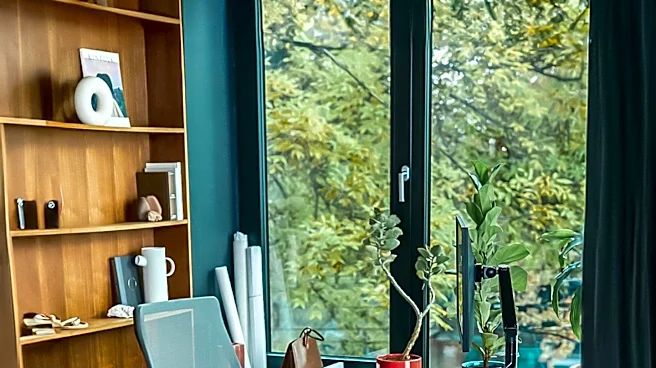
proper height, to prevent physical discomfort. Monitor placement at eye level and keyboard positioning to avoid excessive reaching are also emphasized. Beyond ergonomics, maintaining a minimalist setup by keeping only essential tools visible and organizing cables is advised to reduce visual clutter and mental distraction. Task lighting is highlighted as a way to illuminate specific work surfaces without causing glare on screens, making prolonged periods of intense focus more comfortable. Personalizing the workspace with meaningful items like family photos or plants can create a more inviting atmosphere, provided it doesn't lead to clutter. These strategies aim to transform a home office into an environment conducive to sustained concentration and efficiency.
Why It's Important?
The shift towards remote work has made optimized home office setups increasingly important for the U.S. workforce. Poorly configured workspaces can lead to significant physical discomfort, such as backaches and eyestrain, which in turn reduce productivity and can result in long-term health issues for employees. For businesses, this translates to potential decreases in employee output and increased healthcare costs. By adopting ergonomic principles and minimizing distractions, individuals can maintain better physical health and mental clarity, leading to higher quality work and sustained engagement. The emphasis on decluttering and strategic lighting also addresses psychological factors, as visual chaos and inadequate illumination can contribute to stress and anxiety, further hindering performance. Therefore, investing in a well-designed home office is not just a matter of comfort but a critical factor in maintaining a productive and healthy remote workforce, impacting both individual well-being and national economic output.
What's Next?
As remote and hybrid work models continue to evolve, the demand for ergonomic and productivity-enhancing home office solutions is expected to grow. Businesses may increasingly offer stipends or guidance for employees to set up optimal home workspaces, recognizing the direct link between environment and performance. Furniture manufacturers and technology companies are likely to innovate further, offering more integrated and customizable solutions for home offices, including smart desks, advanced ergonomic chairs, and specialized lighting systems. Additionally, services for home office delivery and assembly, such as those provided by Lugg, will become more prevalent, catering to the logistical needs of individuals and companies establishing or upgrading remote setups. Educational resources and best practices for home office optimization will also likely expand, helping individuals make informed decisions about their workspace configurations to maximize their efficiency and well-being.
Beyond the Headlines
The focus on home office optimization extends beyond immediate productivity gains, touching upon broader societal and cultural shifts. The emphasis on creating a personalized yet minimalist workspace reflects a growing awareness of the psychological impact of one's environment on mental health and well-being. A well-designed home office can blur the lines between work and personal life in a positive way, fostering a sense of comfort and ownership that traditional office spaces often lack. This trend also highlights the increasing importance of individual agency in shaping one's work environment, moving away from a one-size-fits-all corporate model. Furthermore, the integration of ergonomic principles into home setups underscores a long-term commitment to employee health, potentially leading to a reduction in work-related injuries and chronic conditions. This cultural shift could redefine the employer-employee relationship, with companies increasingly recognizing and supporting the holistic well-being of their remote workforce, ultimately contributing to a more resilient and adaptable labor market.