


What's Happening?
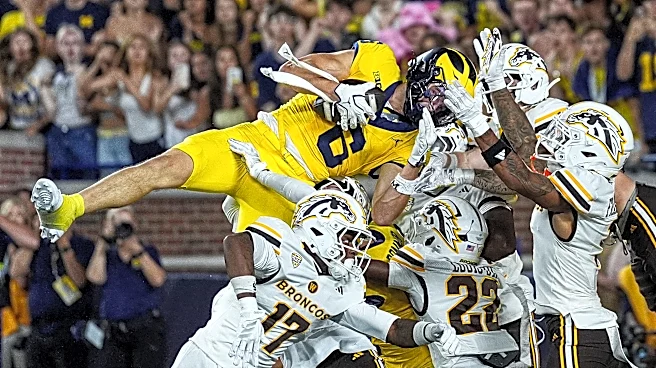
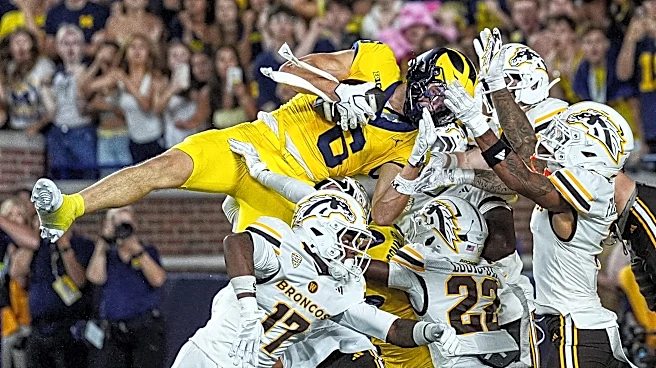
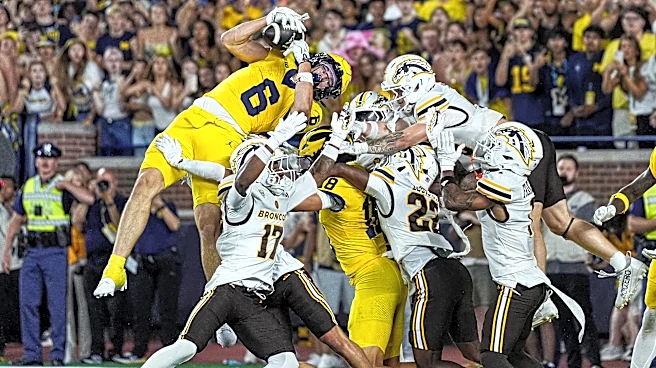
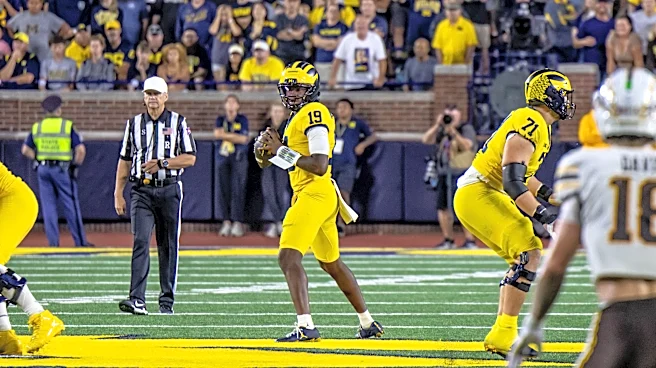
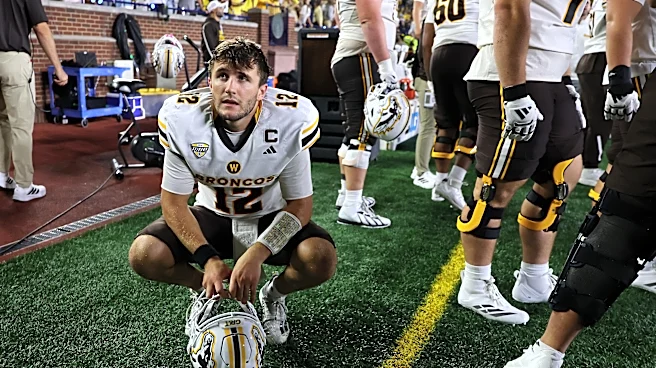
Western Michigan University (WMU) officials, including President Russ Kavalhuna and head coach Lance Taylor, have accepted the Big Ten's explanation regarding the controversial ending of their football game against Michigan. The game, played on Saturday
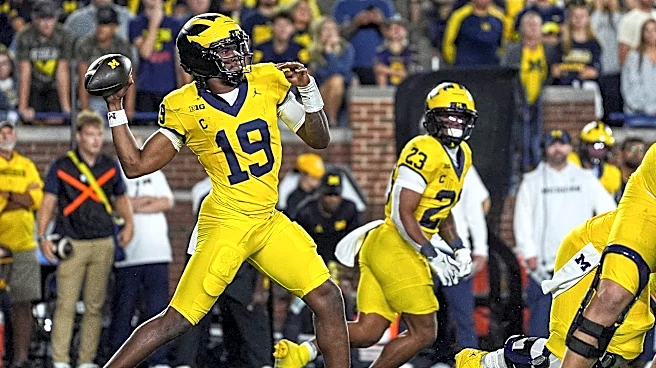
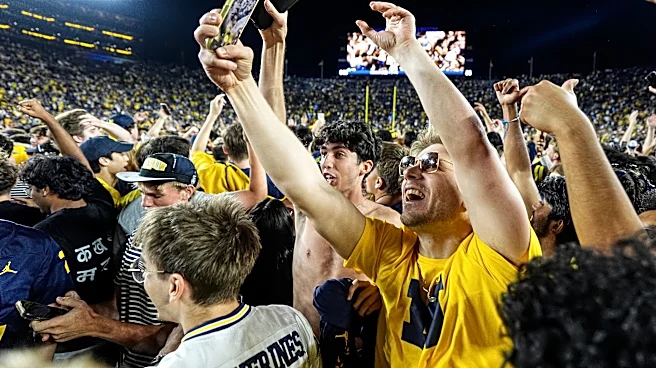
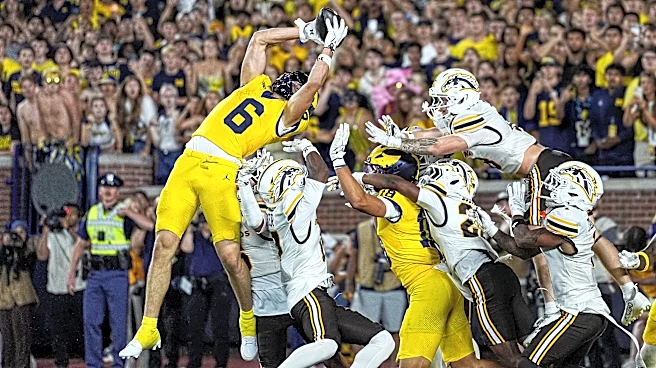
night, September 5, concluded with a 13-12 loss for WMU after Michigan scored a winning touchdown on a second 'Hail Mary' pass. This occurred after replay officials determined one second remained on the clock, despite television broadcasts showing zero seconds. President Kavalhuna engaged in discussions with Big Ten Commissioner Tony Petitti and Mid-American Conference Commissioner Jon Steinbrecher. Kavalhuna inquired about an appeals process but was informed none existed, a response he accepted. The Big Ten released a statement post-game, including video and audio from the replay booth, to justify the decision to add one second. The statement clarified that broadcast cameras used for the replay system are synced via a strobe system to ensure alignment. Kavalhuna acknowledged a known discrepancy between the television clock and the official on-field clock, but stated he found nothing unfair or untoward in the process, despite his background as a federal prosecutor.
Why It's Important?
This event highlights significant issues within college football officiating and the transparency of replay review systems, particularly concerning clock management. The discrepancy between the broadcast clock and the official game clock, acknowledged by Big Ten officials, raises questions about the consistency and clarity of information provided to both teams and the viewing public. For WMU, a 27.5-point underdog, the game represented a potential historic upset and a $1.5 million payout from Michigan. The outcome, while accepted by WMU leadership, could fuel ongoing debates about the fairness of replay decisions and the need for standardized, universally visible timing mechanisms in high-stakes athletic competitions. The incident also underscores the pressure on university and athletic leadership to manage public and fan reactions to controversial calls, balancing institutional integrity with the emotional investment of their community. The acceptance of the explanation by WMU, despite fan outrage, sets a precedent for how similar situations might be handled in the future, emphasizing learning and moving forward rather than prolonged dispute.
What's Next?
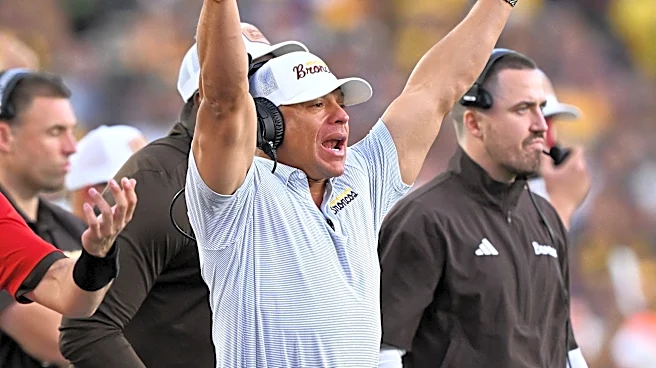
Following the acceptance of the Big Ten's explanation, Western Michigan's football team will focus on its upcoming game against Monmouth on Saturday, September 13, at Waldo Stadium. Head coach Lance Taylor emphasized moving past the controversial loss, stating that the team's goals for the season remain intact. The incident may prompt further discussions within collegiate athletic conferences regarding the synchronization and display of game clocks, potentially leading to procedural reviews or technological adjustments to minimize discrepancies between broadcast and official timings. While WMU has chosen not to pursue further action, the public discourse surrounding the game's ending could influence future policy decisions by the NCAA or individual conferences to enhance transparency and consistency in officiating. The experience will likely serve as a learning opportunity for the WMU team, as articulated by President Kavalhuna, focusing on resilience and improvement rather than dwelling on the past outcome.
Beyond the Headlines
The controversy surrounding the WMU-Michigan game extends beyond a single football outcome, touching upon broader themes of trust in institutional processes and the impact of technology on sports. The acknowledged 'discrepancy' between what the public sees on television and what officials review in the booth exposes a vulnerability in the perceived integrity of sports officiating. This can erode fan confidence and fuel skepticism, particularly in an era where every moment is scrutinized through social media. The incident also serves as a case study in leadership, with WMU's President Kavalhuna and Coach Taylor choosing a path of acceptance and forward-looking perspective, despite widespread public frustration. This approach, while perhaps unpopular with some fans, prioritizes the team's mental state and institutional relationships over prolonged contention. It highlights the ethical dimension of sports, where the pursuit of victory must be balanced with adherence to rules and the acceptance of official decisions, even when those decisions are contentious or perceived as flawed.