





What's Happening?
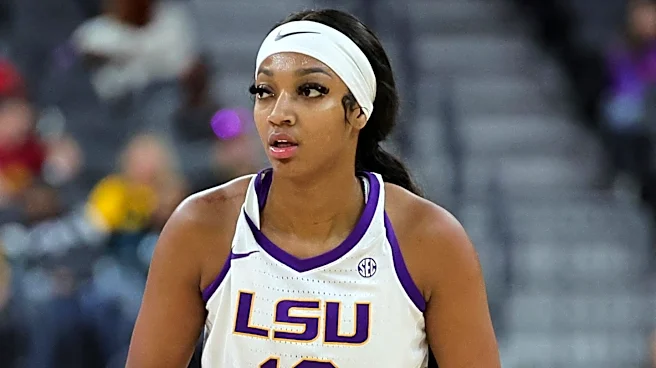
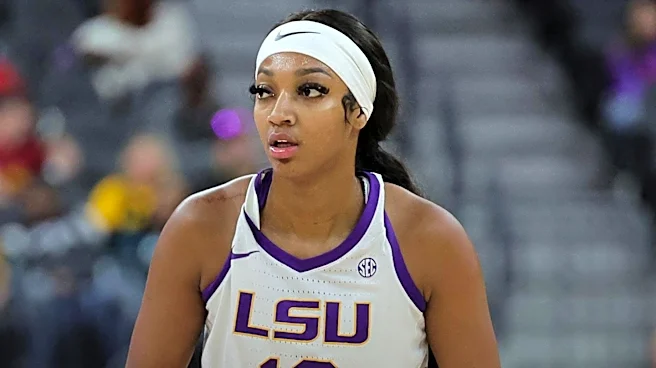
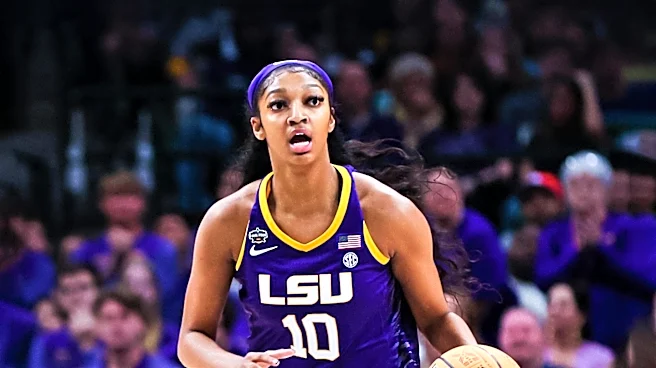
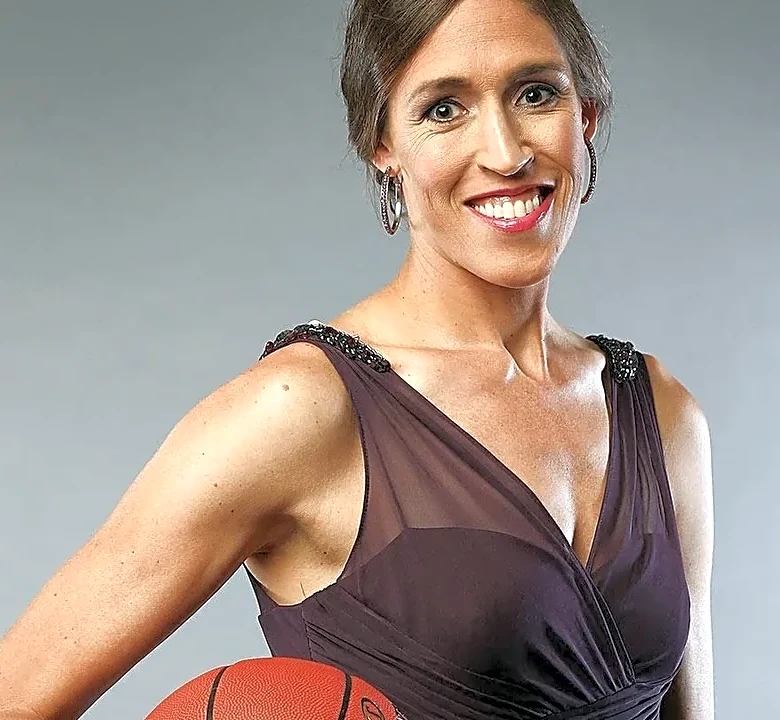
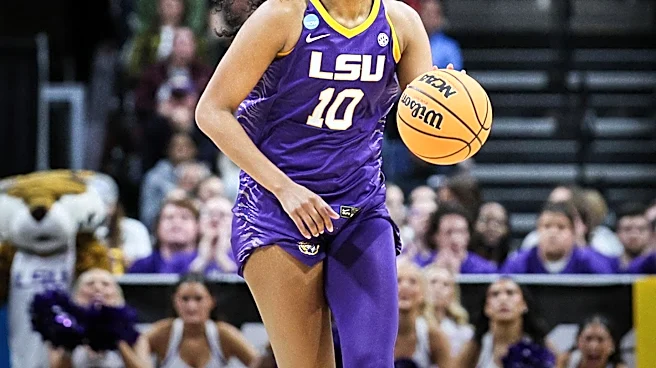
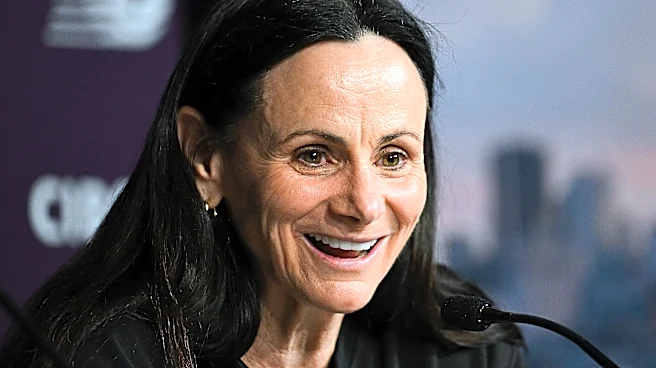
During a recent WNBA game between the Atlanta Dream and the Toronto Tempo, a controversial incident occurred involving Dream forward Angel Reese. Tempo head coach Sandy Brondello referred to Reese as a 'protected species' following a collision that injured
Toronto's Nyara Sabally. The comment, perceived as having negative racial undertones, sparked significant backlash on social media. Reese, who was unaware of the comment during the game, later responded on social media, expressing her surprise. Brondello, recognizing the impact of her words, issued a public apology, acknowledging the unintended racial implications and expressing regret for any hurt caused to Reese and the broader community. Reese has not publicly responded to Brondello's apology.
Why It's Important?
This incident highlights ongoing issues of racial sensitivity and the importance of language in professional sports. Brondello's comment, though intended to express frustration with officiating, inadvertently touched on racial dynamics, particularly affecting Black women in sports. The backlash underscores the need for awareness and sensitivity in public statements by sports figures. The situation also reflects broader societal conversations about race and representation, emphasizing the responsibility of coaches and public figures to foster an inclusive and respectful environment. The incident could influence how similar situations are handled in the future, potentially leading to more stringent guidelines on language use in sports.
What's Next?
The WNBA and its teams may review their policies and training regarding language and cultural sensitivity to prevent similar incidents. Stakeholders, including players, coaches, and league officials, might engage in discussions to address racial issues and promote inclusivity. The league could also consider implementing educational programs to raise awareness about the impact of language and the importance of diversity. Reese's response to the apology, if any, could further shape the narrative and influence public perception. The incident may prompt other sports leagues to evaluate their own practices and policies regarding diversity and inclusion.